
Live Updates: U.S. and Iran Trade Fire Amid Regional Ceasefire Deadlock
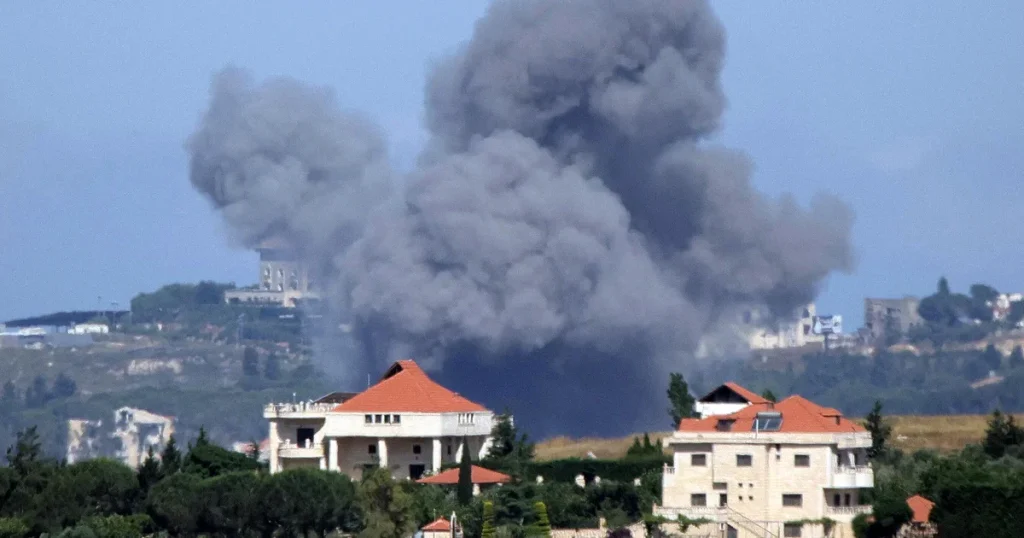
Wertynews.com – Live Updates: U.S. and Iran trade another round of fire as Iranian officials declare peace talks have reached a “deadlock,” intensifying tensions in the Middle East. The escalating conflict between Israel and Iran-backed Hezbollah continues to complicate efforts to stabilize the region, with Tehran accusing Washington of undermining negotiations by launching military strikes. Despite Israel and Lebanon agreeing to extend their ceasefire this week, Hezbollah’s rejection of the truce has led to renewed hostilities in southern Lebanon, raising concerns about the broader implications for the Iran war.
U.S. Strikes and Iranian Retaliation
Following a series of attacks, the U.S. Central Command confirmed that military strikes targeted Iranian radar installations on Goruk and Qeshm Islands, key strategic points in the Persian Gulf. The Iranian Foreign Ministry condemned these actions as a “breach of the April 8 ceasefire” and emphasized their importance for monitoring maritime traffic and safeguarding national borders. In response, Iran launched a barrage of missiles toward Gulf nations, including Bahrain and Kuwait, as part of its retaliatory measures. The conflict has sparked fears of a wider regional war, with both sides accusing each other of escalating hostilities.
“The U.S. attack on our radar systems is a clear violation of the ceasefire agreement and a direct threat to Iran’s sovereignty and security,” stated an Iranian official in a press conference, underscoring the nation’s resolve to defend its interests.
Missile Attacks and Regional Reactions
Iran’s missile campaign targeted Bahrain and Kuwait, with seven ballistic missiles launched early Saturday. According to the U.S. military, six of these were intercepted, while the seventh struck a location in Kuwait, causing minor damage and fires. The Gulf Cooperation Council (GCC) expressed dismay over the attacks, warning that they could destabilize the region and disrupt economic ties. Bahrain’s defense minister highlighted the country’s preparedness, stating that military forces had successfully neutralized three incoming missiles and were on high alert for further strikes.
“These missile attacks represent a dangerous escalation that threatens the security of Gulf nations and undermines the fragile ceasefire,” said a GCC representative, urging immediate diplomatic intervention.
Iran’s Justification for Strikes
Iranian officials framed their military actions as a necessary “self-defense” response to U.S. aggression, echoing arguments made during the Trump administration’s confrontations with Tehran. They argued that the strikes were proportionate and justified under international law, citing the U.S. attacks on radar sites as a provocation. The Iranian military also emphasized that its operations were aimed at protecting civilian populations in Lebanon and deterring further Israeli incursions, which have intensified in recent days.
Global Diplomatic Impact
As the conflict between the U.S. and Iran intensifies, the impact on global diplomacy grows more evident. The visa dispute over Iran’s World Cup delegation, which includes 15 administrators and managers, has drawn international attention. Iranian state media reported that the U.S. had delayed visa approvals, potentially affecting the team’s participation in the tournament. This incident highlights how the broader Iran-U.S. tensions can spill into other areas, creating diplomatic challenges beyond the battlefield.
“The U.S. has held back visas for key members of our World Cup delegation, which has raised concerns about their support for Iran’s sports initiatives and broader international cooperation,” noted a spokesperson from the Iranian soccer federation.
Peace Efforts and Regional Stability
Despite the setbacks, efforts to broker a ceasefire between Israel and Iran-backed Hezbollah persist. Diplomatic talks, led by regional mediators, aim to address Hezbollah’s demands for a permanent ceasefire in exchange for reduced Iranian support. However, the latest missile attacks and U.S. strikes have stalled progress, with both sides accusing each other of failing to uphold commitments. The situation underscores the delicate balance required to maintain regional stability, as conflicts in one area can reverberate across the entire Middle East.
Implications for Future Conflicts
The ongoing exchange of fire between the U.S. and Iran signals a deepening crisis that could reshape the geopolitical landscape. With no immediate resolution in sight, analysts warn of the potential for prolonged hostilities that may draw in more actors, including allies of both nations. The Gulf nations, already under pressure from Iranian strikes, are now more determined to strengthen their security alliances. Meanwhile, the World Cup visa issue serves as a reminder that even in times of war, diplomacy remains a critical tool for maintaining international relations.