
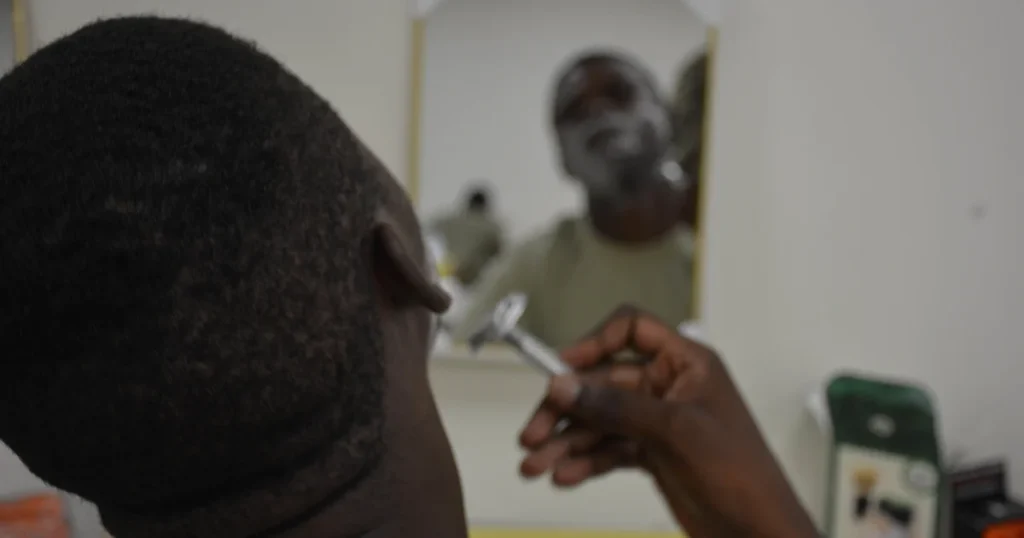
Hegseth Frustrated with Lack of Adherence to Grooming Rules
Wertynews.com – Defense Secretary Pete Hegseth has expressed frustration over the military’s inconsistent enforcement of grooming standards, a concern that has resurfaced following his earlier “Beardos” speech. The issue stems from his push to maintain strict appearance, fitness, and discipline protocols for U.S. service members, which he believes are essential to upholding the military’s reputation and readiness. Since his public address last year, the Pentagon has reportedly intensified efforts to ensure compliance, particularly as the nation faces ongoing security challenges and high-stakes military operations. Hegseth’s frustration with lack of adherence has been a recurring theme, with officials noting the need for stronger accountability among commanders and service members.
Historical Context and Policy Evolution
The current emphasis on grooming standards is part of a broader effort to modernize military discipline and align it with contemporary operational demands. While the rules have long existed, they gained renewed attention after Hegseth’s 2023 speech at Marine Corps Base Quantico, where he criticized what he described as “fat troops” and “beardos” as signs of declining professionalism. This push builds on decades of military tradition that prioritizes uniformity and order, but recent changes aim to address gaps in compliance. The new directive reflects a shift toward stricter enforcement, with officials acknowledging that the previous approach was too lenient for certain ranks.
“Secretary Hegseth maintains the highest expectations for our service members to uphold the professional standards of appearance, fitness, and discipline that define our warfighting force, and he continues to emphasize consistent enforcement of hair, weight, and grooming standards across all ranks,” Pentagon spokesman Sean Parnell stated in a recent statement to CBS News.
Medical and Religious Exemptions Under Scrutiny
The updated policy includes specific guidelines for medical and religious exemptions, which has sparked debate about fairness and flexibility. While Sikh, Muslim, and Jewish service members are allowed to keep facial hair for cultural or religious reasons, the new rules now require periodic evaluations for those with shaving waivers. This change is intended to prevent prolonged non-compliance and ensure that all troops meet uniform standards, even if it means limiting exemptions for conditions like pseudofolliculitis barbae. Under the new framework, waivers are valid for 90 days, with commanders expected to reassess eligibility regularly.
Medical shaving waivers were previously granted for skin conditions such as pseudofolliculitis barbae, which affects a significant percentage of Black men and can cause painful rashes. The same issue occasionally impacts women with hirsutism, a condition that leads to excessive male-pattern hair growth. Hegseth’s frustration with lack of adherence has been linked to his desire to standardize these waivers, ensuring they are only issued for legitimate medical reasons and not as a means to avoid discipline. The policy also extends to active-duty and reserve personnel, with those failing to meet grooming standards after a year of treatment potentially facing removal from service.
Operational Readiness and Equipment Standards
Officials have highlighted the importance of grooming standards in maintaining operational readiness, particularly in relation to the use of protective gear. The Pentagon asserts that strict hair and facial hair rules are necessary to ensure service members can wear gas masks and other respirators without compromise. This aligns with broader guidance issued in December 2023 to restore the “warrior ethos” Hegseth promotes. The debate over beards and equipment readiness is not new; in 2016, Army Secretary Eric Fanning mandated tests to assess whether Sikh troops with beards could effectively use standard-issue masks. Those who failed were required to wear alternative gear, such as powered air-purifying respirators, to achieve a proper seal.
Hegseth’s frustration with lack of adherence has also been tied to concerns about the military’s image and morale. He argues that inconsistent enforcement of appearance standards undermines the discipline and professionalism expected of troops in high-pressure environments. While some commanders support the stricter guidelines, others have raised questions about the balance between uniformity and individual needs. The policy’s implementation has been gradual, with reports indicating that many units are still adjusting to the new expectations. Despite these challenges, the Pentagon remains committed to ensuring all service members meet the required standards, emphasizing that compliance is critical to maintaining the military’s effectiveness in both combat and non-combat roles.