
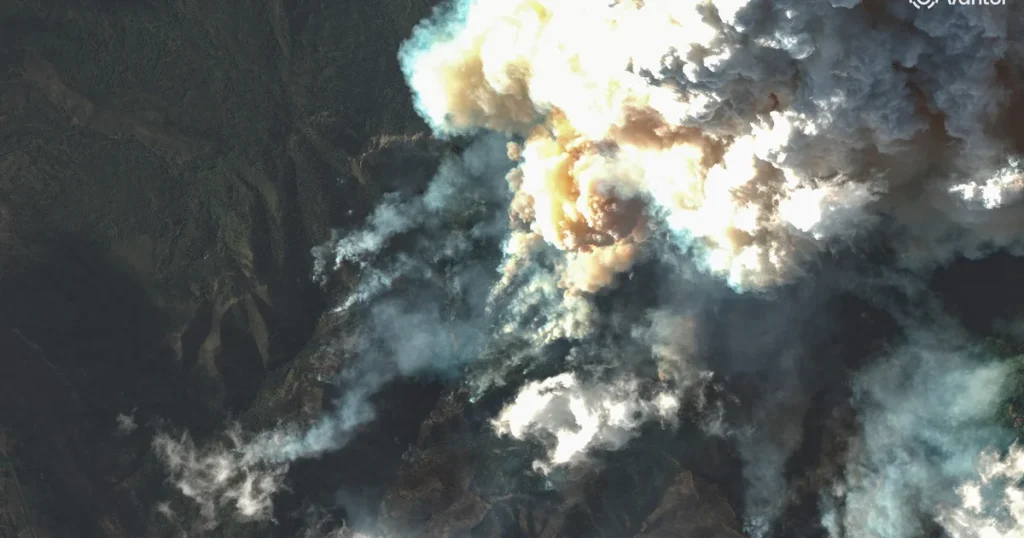
Aircraft Goes Down in Colorado Reservoir Amid Gold Mountain Fire
Wertynews.com – On Sunday, a dramatic aircraft incident unfolded in Colorado as a firefighting aircraft crashed into Silver Jack Reservoir in western Gunnison County. The crash, which occurred during efforts to combat the Gold Mountain Fire, resulted in the recovery of one body from the water. Officials have not yet confirmed the identity of the individual involved, with next-of-kin notifications pending.
Details of the Aircraft Incident
The Gunnison County Sheriff’s Office confirmed the crash took place at approximately 5:17 p.m. local time, a critical moment in the ongoing response to the Gold Mountain Fire. While the type of aircraft—whether a fixed-wing plane or a helicopter—has not been officially disclosed, the incident highlights the risks faced by aerial firefighting crews. The reservoir, a popular recreational spot, now stands as a site of both tragedy and resilience, with emergency responders working swiftly to secure the area.
“We are currently processing the information to determine the identity of the individual who was on board,” said Sheriff Adam Murdie in a follow-up statement. “Until we notify their family, we will not release further details.”
The crash has prompted a thorough investigation, with authorities examining the aircraft’s last known position, weather conditions, and potential mechanical failures. This scrutiny is essential to understanding the circumstances that led to the accident and ensuring future safety protocols are refined.
Gold Mountain Fire Context
The Gold Mountain Fire, which ignited late last month, has since grown to over 35,601 acres burned, as reported by InciWeb, the national wildfire information system. Despite sustained efforts to contain the blaze, it remains only 5% controlled, underscoring the severity of the situation. The aircraft crash occurred during a pivotal phase of the firefighting operation, when crews were working to protect nearby communities and critical infrastructure.
Firefighters have been battling the fire in challenging terrain, with high winds and dry conditions exacerbating its spread. The incident serves as a reminder of the high stakes involved in aerial firefighting, where rapid response is crucial but also fraught with danger. Officials have emphasized that the aircraft was operating as part of a coordinated effort to support ground crews, highlighting the integrated nature of modern wildfire management.
Evacuation and Community Impact
Evacuation orders are currently in effect for residents in areas east and northeast of Ouray, as the Gold Mountain Fire continues to threaten nearby communities. However, the city of Ouray itself has not issued mandatory evacuations, according to the sheriff’s office. This decision reflects the dynamic nature of the fire’s progression, with authorities continuously monitoring its movement and adjusting strategies accordingly.
The evacuation measures have displaced hundreds of residents, with temporary shelters set up to accommodate those fleeing their homes. Local businesses have also been affected, with some forced to close temporarily to ensure the safety of employees and customers. The community’s response has been one of unity, with volunteers assisting in evacuation efforts and neighbors checking on one another’s well-being.
Investigation and Safety Measures
As of now, the cause of the aircraft crash is under investigation, with officials examining various factors including pilot error, equipment malfunction, and environmental conditions. The National Transportation Safety Board (NTSB) has been called in to assist with the probe, adding an extra layer of expertise to the process. This incident has sparked discussions about the safety of aerial firefighting operations, particularly in remote and challenging environments like Colorado’s reservoirs.
Firefighting aircraft are a vital component of wildfire suppression, providing rapid access to hard-to-reach areas and delivering critical resources. However, the crash underscores the need for enhanced safety measures, such as improved training, updated equipment, and real-time monitoring systems. Authorities have pledged to review the incident and implement changes to reduce the risk of similar occurrences in the future.
Broader Implications for Wildfire Management
The crash has drawn attention to the broader challenges of managing large-scale wildfires in the United States. Colorado, known for its arid climate and rugged landscapes, has seen an increase in such incidents in recent years, often exacerbated by climate change and prolonged drought conditions. The loss of a firefighter during the Gold Mountain Fire response highlights the human cost of these efforts and the importance of preparedness.
With the fire still only 5% contained, the situation remains critical. Emergency management teams are working around the clock to mitigate further damage, while the community continues to adapt to the changing circumstances. The aircraft incident serves as a sobering reminder of the dangers inherent in wildfire response, even as it demonstrates the dedication and courage of those involved in the effort.