
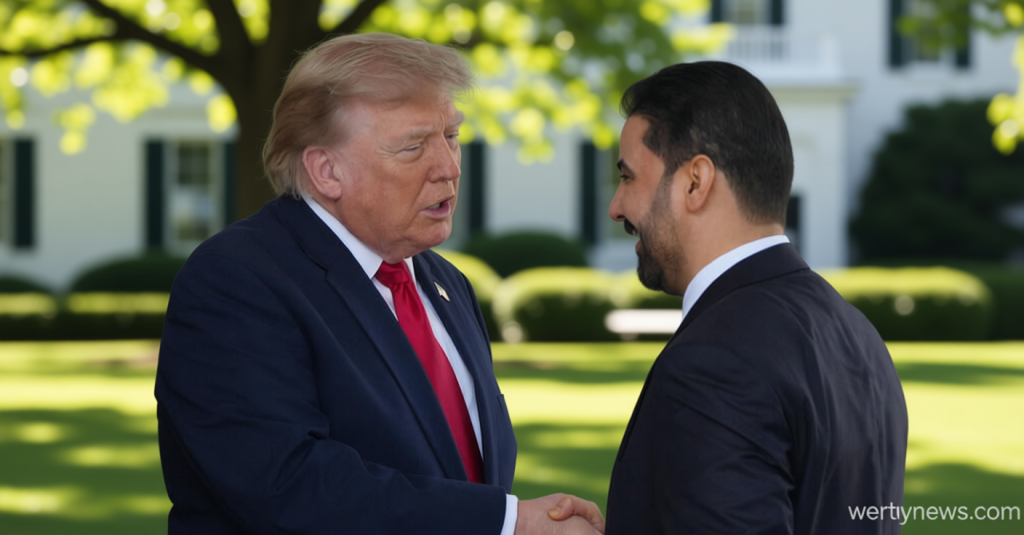
Flights Grounded at D.C. Airport Due to Security Measures for Iraqi Leader
Wertynews.com – Flights grounded for hours at D.C. area airports prompted widespread disruption on Tuesday, as air travel was temporarily halted to ensure the safety of Iraqi Prime Minister Ali al-Zaidi during his visit to Washington, D.C. The security precautions, which began in the early afternoon, led to over 100 flight cancellations and significant delays across the region. According to officials, the heightened alert was a result of ongoing tensions with Iran and the prime minister’s position as a key figure in U.S.-Iraqi diplomatic relations.
The decision to ground flights at Ronald Reagan National Airport and nearby facilities affected commercial and private aviation, creating bottlenecks in one of the busiest air corridors in the country. Over 300 flights were delayed, with at least 126 being canceled, according to data from FlightAware. The D.C. area’s already high volume of air traffic was further complicated by additional security protocols, including the deployment of military helicopters and the rerouting of civilian aircraft to avoid restricted zones.
Extended Security Measures and Presidential Engagement
Security measures were not limited to the airspace but also extended to ground operations, with heightened surveillance and checkpoints at key locations. The prime minister’s motorcade, which departed the White House for the Pentagon at 1:30 p.m., was accompanied by a dedicated security helicopter, highlighting the gravity of the situation. President Trump, who had previously expressed concerns about Iraqi leaders’ alignment with Iran, extended his meeting with al-Zaidi, emphasizing the importance of their discussions on regional stability and U.S. military presence.
“We weren’t planning it, but the chemistry between us is strong enough to make it happen on the fly,” Trump remarked Tuesday morning.
Al-Zaidi’s visit to Washington, D.C., was significant as it followed Trump’s earlier threat to withdraw U.S. support from Iraq if a candidate perceived as too close to Iran won the election. The prime minister’s commitment to disarming pro-Iranian militias by September 30, the deadline for U.S. troop withdrawal, added urgency to the security arrangements. This visit marked al-Zaidi’s first major engagement with the U.S. administration since assuming office in May, underscoring the strategic importance of the talks.
Broader Security Context and Regional Tensions
The incident at D.C. airports occurred amid escalating U.S.-Iran conflict, which has intensified over the past four months. Security officials cited the potential for Iranian-backed groups to target high-profile figures, including al-Zaidi, as a critical factor in the decision to implement flight restrictions. The precautionary measures also reflected concerns about the broader geopolitical landscape, where attacks on U.S. interests in the Middle East have raised alarms about the safety of diplomatic engagements.
Additionally, the federal government has emphasized non-Iran-related security threats, particularly in light of recent assassination attempts targeting Trump. Defense Secretary Pete Hegseth met with lawmakers at the Pentagon to discuss the military’s proposed $1.5 trillion budget, which aims to bolster readiness for both regional and domestic challenges. The conversation highlighted the interplay between national security priorities and the ongoing conflict with Iran, with officials stressing the need for continued vigilance.
While the immediate cause of the flight delays was linked to al-Zaidi’s security, the situation also drew attention to the long-term implications for air travel in the D.C. region. The disruption underscored the delicate balance between maintaining open airspace and addressing potential risks. Travelers faced uncertainty, with some stranded at the airport and others forced to alter their schedules. The event became a reminder of how security concerns can ripple through the transportation sector, affecting millions of passengers and reshaping daily operations.