
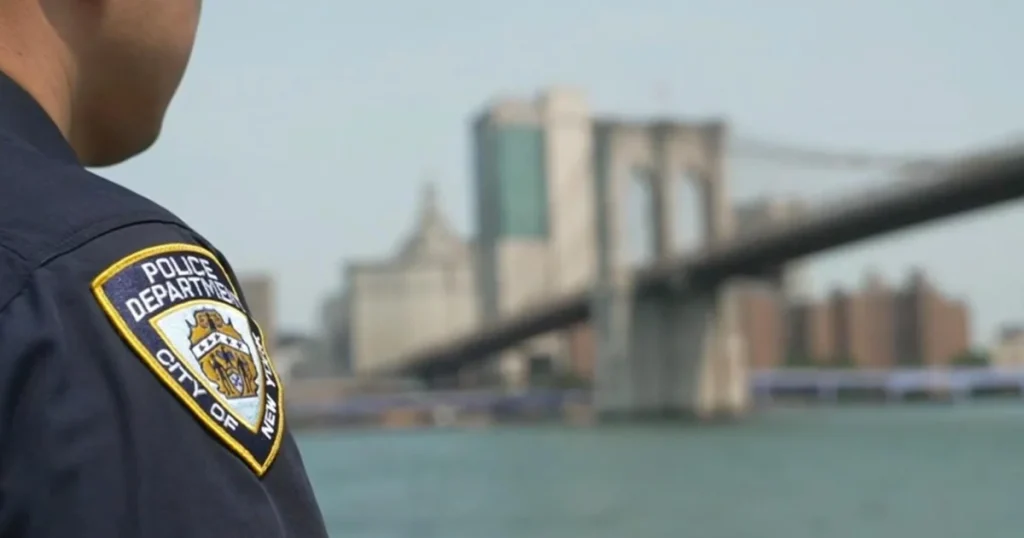
NYPD Officer Saves Woman on Brooklyn Bridge
Wertynews.com – On July 8, a courageous NYPD officer made headlines after rescuing a woman from the edge of the Brooklyn Bridge, a feat that occurred on his third day with the elite Emergency Service Unit. The incident, which unfolded in the early afternoon, highlighted the officer’s quick thinking and dedication. Cristian Yepes, a seven-year veteran of the force, had just completed rigorous training to join the specialized unit and was already proving his worth in a high-stakes situation. As he guided the woman down from the 200-foot-high bridge, the rescue became a testament to the unit’s readiness and Yepes’ unwavering commitment to public safety.
A High-Risk Rescue on the Third Day
The NYPD received a call about a woman in distress near the Brooklyn Bridge’s pedestrian walkway, prompting a rapid response. Yepes, who had joined the Emergency Service Unit less than a week prior, was part of a team deployed to the scene. According to reports, the woman had climbed to the bridge’s railing, likely in a moment of emotional turmoil, and was teetering on the brink of jumping into the East River. Yepes’ calm demeanor and training in crisis intervention proved vital as he engaged the woman, reassuring her and negotiating her safe descent. The operation, which lasted nearly an hour, showcased the unit’s ability to handle complex, high-pressure scenarios.
Details from the body camera footage revealed Yepes’ professionalism during the rescue. “I got you, I promise,” he said, his voice steady and compassionate. This statement, captured by the camera, became a symbol of his dedication to saving lives. The woman, identified as Maria Lopez, was later confirmed to be in a state of emotional distress. Her decision to climb the bridge was reportedly linked to feelings of hopelessness, a common trigger for such incidents. Yepes’ swift action not only saved her life but also underscored the importance of having trained personnel available during critical moments.
Training and Dedication of the Elite Unit
Yepes’ journey to the Emergency Service Unit was marked by months of intensive training. The unit, known for its specialized skills in handling high-risk situations, requires candidates to demonstrate both physical and mental resilience. After eight months of preparation, Yepes was fully equipped to respond to emergencies like the one on the Brooklyn Bridge. His ability to remain composed under pressure reflects the unit’s emphasis on psychological readiness alongside technical expertise. Other members of the team also played crucial roles, with backup officers maintaining a safe perimeter and ensuring the area remained secure throughout the operation.
Commissioner Jessica Tisch, in a social media post following the incident, commended the officers for their exceptional performance. “The care, courage, and compassion these officers showed was just extraordinary,” she wrote, emphasizing the unit’s role in protecting vulnerable individuals. The rescue on the Brooklyn Bridge was not an isolated event; the unit had executed three high-risk interventions in the previous week, including a similar incident on the Manhattan Bridge. These experiences highlight the unit’s consistent preparedness and the critical need for such specialized teams in urban environments.
The NYPD’s Emergency Service Unit is tasked with handling emergencies that require advanced training, such as active shooter situations, hostage rescues, and suicide interventions. Yepes’ actions on the bridge exemplify the unit’s core mission: to respond swiftly and save lives in moments of crisis. His training included scenarios where officers must de-escalate tense situations and maintain communication with individuals in distress, skills that proved invaluable during the rescue. The incident also brought attention to the broader issue of mental health awareness, with officials urging the public to recognize the signs of emotional distress and seek help when needed.
Following the rescue, the NYPD launched a campaign to promote mental health resources, highlighting the importance of early intervention. The 988 Suicide & Crisis Lifeline was mentioned as a key support system, offering free, 24/7 assistance to those in need. “If you or someone you know is in emotional distress or a suicidal crisis, you can reach the 988 Suicide & Crisis Lifeline by calling or texting 988,” officials stated. The National Alliance on Mental Illness (NAMI) HelpLine was also featured, providing additional resources for individuals seeking immediate support. These efforts aim to connect people with the help they need, whether through a call to 988 or a conversation with a trained professional.
While the rescue on the Brooklyn Bridge was a remarkable display of courage, it also serves as a reminder of the everyday challenges faced by officers in the field. Yepes emphasized that his success was not just due to his training but also to his ability to connect with the woman on a personal level. “Yeah, we have the uniform. Yes, we’re police officers,” he said in a post-rescue interview. “But we’re just human at the end of the day.” This perspective resonates with the public, as it humanizes the officers and underscores their dedication beyond protocol. The incident has since sparked discussions about the balance between law enforcement duties and the psychological support needed for individuals in crisis.