
U.S. Designates Two Mexican Cartels as Foreign Terrorist Organizations, Including One on Texas Border
Wertynews.com – The U.S. government has taken a significant step by designating two additional Mexican drug cartels as foreign terrorist organizations. Among the newly labeled groups is the Juárez Cartel, a long-standing power in the U.S.-Mexico border region, and Los Viagras, a violent criminal network based in Michoacán. This designation, announced in the Federal Register on Thursday, marks the latest expansion of the U.S. efforts to combat transnational organized crime by classifying these groups as threats to national security.
By designating these cartels as foreign terrorist organizations, the U.S. aims to enhance its legal tools to disrupt their operations and hold them accountable for acts of violence. The move follows a recent indictment of ten officials from the Sinaloa Cartel, highlighting the growing focus on Mexican gangs as strategic adversaries. The designation also reflects a continuation of the Trump administration’s policy to label Latin American criminal groups as terrorist entities, allowing for stricter sanctions, asset freezes, and military interventions against them.
Targeting the Juárez Cartel
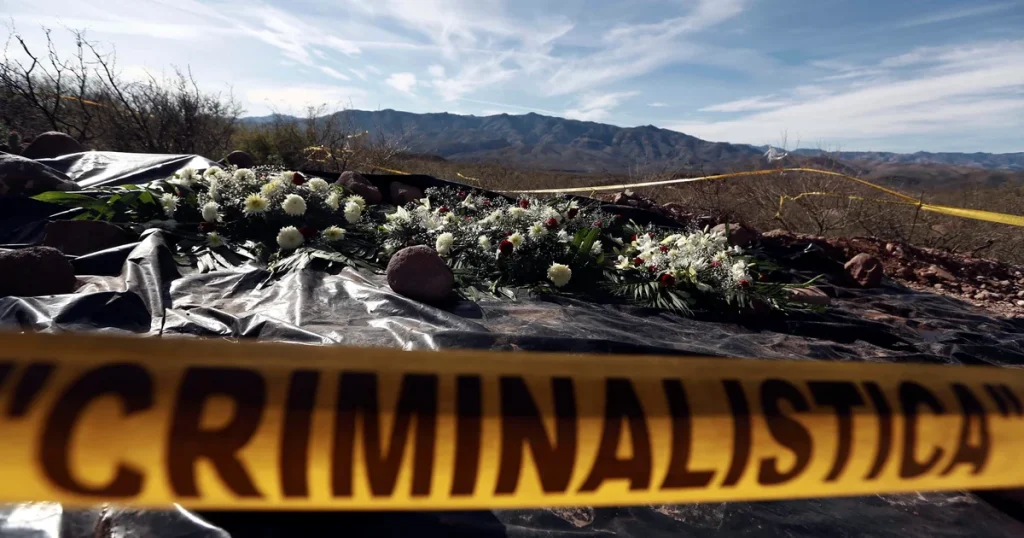
Based in Ciudad Juárez, just across the border from El Paso, Texas, the Juárez Cartel has been a central player in the drug trade for decades. Known for its dominance over key smuggling routes, the cartel has long been implicated in violent acts against civilians, including the 2019 massacre of nine American women and children from a Mormon community. The U.S. designation is expected to strengthen cooperation with Mexican authorities and streamline efforts to target the cartel’s financial networks and leadership. This marks the third time the Juárez Cartel has been classified as a terrorist organization, following similar moves in 2022 and 2024.
Despite the arrest of numerous leaders, the Juárez Cartel remains active, with its operations now intertwined with other border-based groups like the Gulf Cartel and Northeast Cartel. The new status allows the U.S. to impose stricter visa restrictions, ban the sale of their drugs, and collaborate more closely with Mexico on cross-border law enforcement. Analysts note that this move also targets the cartel’s use of technology, such as “narco-antennas,” which were deployed in 2024 to extort local communities for internet access.
Los Viagras and Michoacán’s Crime Landscape
Los Viagras, a cartel based in Michoacán, has gained notoriety for its brutal tactics and shifting alliances. The state is already home to two other designated terrorist groups: Cárteles Unidos and La Nueva Familia Michoacana. Los Viagras emerged from a 2013–2014 farmers’ uprising, which ousted older cartels and led to the rise of new, more aggressive factions. Recent operations by the group include the assassination of a prominent lime grower leader, linked to their control of the region’s lucrative agricultural resources.
The cartel is now led by Nicolás Sierra Santana, known as “El Gordo,” who has been indicted in Washington, D.C., for drug trafficking conspiracy. The U.S. has offered a $5 million reward for his capture, underscoring the gravity of his role in the group’s activities. Los Viagras has also expanded its drug production, focusing on synthetic narcotics that are increasingly trafficked into the United States. Their designation as a foreign terrorist organization is seen as a critical measure to pressure Mexico into greater cooperation in the fight against organized crime.
Strategic Implications of the Designation
The inclusion of these cartels in the U.S. terrorist list is a strategic move to amplify international pressure on Mexico. It aligns with broader efforts to combat the flow of narcotics and violent crimes across the border. The designation also signals a shift in how the U.S. perceives these groups, moving them from being classified as criminal enterprises to entities that actively threaten national security through coordinated attacks and extortion. This change could influence future negotiations between the U.S. and Mexican officials, potentially leading to more robust joint operations against the cartels.
For the Mexican government, the designation may serve as a wake-up call to address internal security challenges. President Claudia Sheinbaum’s administration faces criticism for its inability to curb cartel violence, particularly in regions like Michoacán and northern border towns. The U.S. decision is likely to intensify diplomatic pressure and highlight the need for Mexico to strengthen its law enforcement capabilities. It also underscores the growing role of the cartel in regional conflicts, as they vie for control over drug trafficking routes and local economies.
Global Impact and Future Challenges
By expanding its list of foreign terrorist organizations, the U.S. is setting a precedent for other countries to follow. This move could encourage similar designations of other Latin American criminal groups, such as the Zetas or the Mara Salvatrucha. However, critics argue that labeling cartels as terrorist organizations may oversimplify their complex roles in the drug trade and local economies. While the designation enables the U.S. to impose harsher penalties, it also raises questions about the effectiveness of such measures in dismantling long-standing criminal networks.
Despite these challenges, the U.S. designation is expected to bolster efforts to cut off financial support for the cartels and increase the use of drone surveillance in border areas. The action also provides a legal basis for targeting the cartel’s international ties, including their smuggling operations in Central America. As the U.S. continues to prioritize border security, the designation of these cartels may shape future policy decisions, including increased funding for counter-narcotics initiatives and expanded military presence in Mexico.