
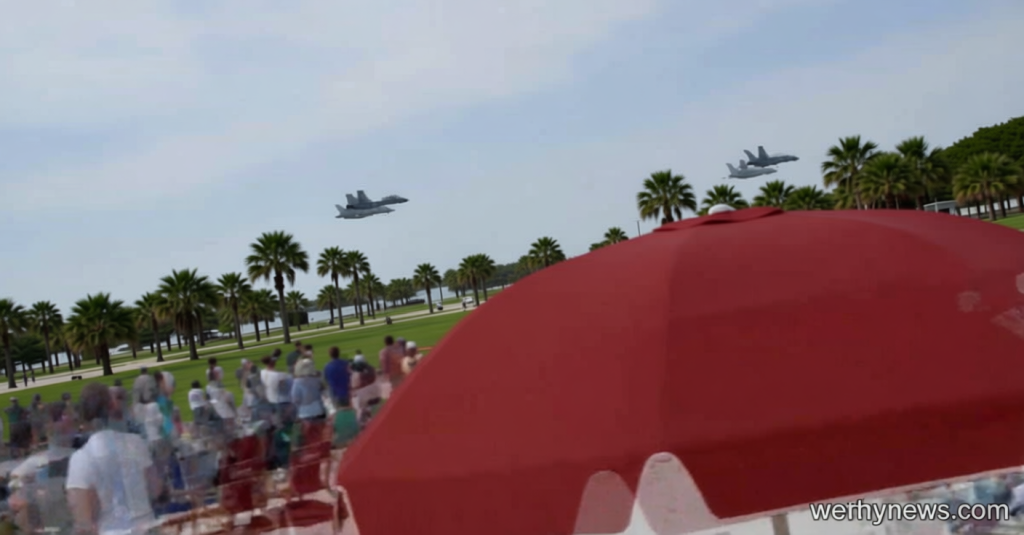
Navy’s Blue Angels Escape Reprimands After Low Flyover at Pensacola Beach
Wertynews.com – The U.S. Navy’s elite Blue Angels aerial demonstration team has been cleared of disciplinary action following a recent incident where one of their jets executed a low flyover over Pensacola Beach, Florida. The event, captured in video footage and widely shared online, sparked both admiration and concern among onlookers. Despite the close proximity of the aircraft to the beachfront crowd, the acting secretary of the Navy confirmed that no reprimands or sanctions will be imposed on the squad. This decision highlights the balance between showcasing the Blue Angels’ precision and ensuring public safety, as the team continues to perform for thousands of spectators annually.
The Incident and Public Reaction
The video, which went viral, shows a Blue Angels jet flying at an unusually low altitude during a routine demonstration. As it passed over the Gulf of Mexico, the aircraft’s proximity to the beach caused a minor stir, with sand, chairs, and tents being displaced. While some viewers expressed alarm over the close call, others praised the squadron’s daring maneuver as a testament to their expertise. The incident occurred during a public event, drawing attention to the risks associated with low-altitude flyovers and the enthusiasm they generate among fans.
Navy’s Safety Protocols and Response
The U.S. Navy’s elite Flight Demonstration Squadron, known as the Blue Angels, has stated they are reviewing the incident to ensure their safety standards remain robust. The team emphasized that the maneuver was part of their arrival routine, designed to captivate audiences with its dynamic display of aerial acrobatics. The acting secretary of the Navy reiterated that the event was a “routine, non-punitive safety measure” and not a disciplinary action, aligning with the FAA’s guidelines for low-altitude flights near populated areas. This reassurance comes amid ongoing discussions about the risks and rewards of such performances.
Defense Secretary Pete Hegseth humorously referenced the incident on social media, quipping, “The flyovers will continue until morale improves.” This light-hearted remark followed a post by Sean Parnell, an assistant to the defense secretary, who shared the footage with the caption “CARRY ON PATRIOTS.” The Navy’s decision to avoid reprimanding the Blue Angels underscores their reputation as a symbol of American excellence and the confidence the military places in their training and execution. Public support for the squad remains strong, with many viewers interpreting the low flyover as a thrilling spectacle rather than a safety hazard.
Historical Context: Low Flyovers and Controversy
Low-altitude flyovers by the Blue Angels are not a new phenomenon. Similar incidents have occurred in the past, sometimes sparking debate about the risks involved. For example, earlier this month, four Apache helicopters flew over crowds on South Carolina’s coast during the Fourth of July holiday, leading to temporary pilot suspensions. However, the National Guard later clarified the action was a “routine safety measure” and not disciplinary, with the Pentagon lifting the suspensions shortly after. This pattern reflects a broader trend of balancing showmanship with safety protocols, as the military assesses each incident on a case-by-case basis.
Another notable instance was in March when two AH-64 Army helicopters performed a flyby near Nashville, passing over the home of singer Kid Rock. While the event caused temporary disruptions, the Army suspended the pilots’ duties initially but later rescinded the penalties, citing no further investigation or action needed. These examples illustrate the public’s mixed reactions to low flyovers, with admiration for the boldness of the maneuvers often outweighing concerns about safety. The Navy’s current approach to the Pensacola incident mirrors this trend, prioritizing the Blue Angels’ role as an inspirational force while addressing any potential risks.
As the Blue Angels prepare for future performances, their ability to execute such daring maneuvers remains a key part of their appeal. The Navy’s decision to avoid reprimands signals a willingness to support the team’s efforts to engage and entertain audiences, even when the flyovers push the boundaries of typical flight paths. The incident also serves as a reminder of the importance of clear communication and safety assessments in high-profile military displays. While the immediate aftermath of the Pensacola flyover is positive, it invites continued discussion about how to ensure both spectacle and safety in aviation demonstrations.