

Student Loan Defaults Hit Record Highs Post-COVID Pause
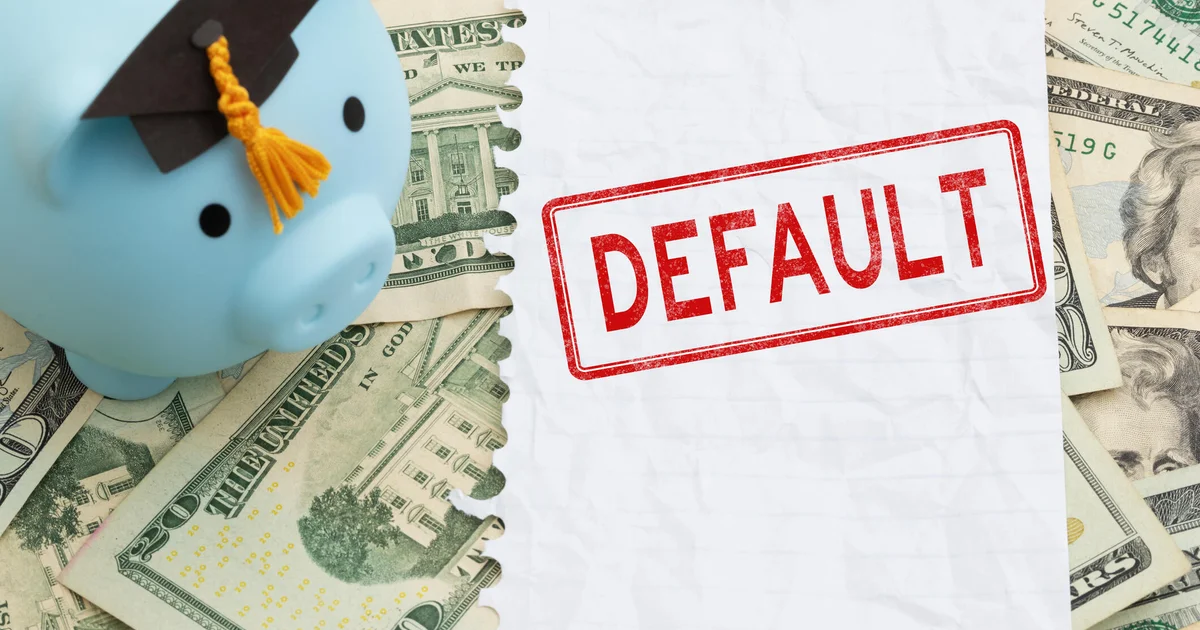
Wertynews.com – Student loan defaults have reached an all-time high in the United States, fueled by borrowers struggling to meet payment obligations after the pandemic-related payment pause expired. This surge in defaults highlights the growing financial strain on millions of Americans who rely on student debt to fund their education. The U.S. Department of Education’s Office of Federal Student Aid reports that the situation is worsening, with significant implications for both individual borrowers and the broader economy.
The Toll of the Payment Pause Expiration
The expiration of the pandemic-driven payment pause, which allowed borrowers to defer payments for nearly two years, has left many struggling to regain financial footing. As of recent data, approximately 9.5 million individuals—1 in 5 federal student loan borrowers—are in default, meaning they have missed payments for over nine months. This marks a sharp increase from previous months, with the total amount of defaulted loans now exceeding $233.3 billion. The U.S. federal student debt portfolio, valued at over $1.7 trillion, is now seeing a more pronounced impact from this shift.
Experts warn that the transition back to regular payments has created a perfect storm of challenges. With inflation rising and job markets fluctuating, many borrowers are finding it increasingly difficult to afford their monthly installments. The previous pause, introduced in March 2020 as part of the CARES Act, provided temporary relief, but its expiration has exposed underlying vulnerabilities in the financial system. As the pressure mounts, concerns are growing about the long-term consequences for borrowers and the potential ripple effects on the economy.
Regional Disparities and Demographic Trends
Regional variations in default rates underscore the uneven impact of the payment pause’s expiration. Southern states are disproportionately affected, with Mississippi leading the pack at a 28.3% default rate. Louisiana, Alabama, West Virginia, Oklahoma, Georgia, South Carolina, and Texas also report high concentrations of defaulted borrowers. This trend highlights how economic conditions, job availability, and cost of living in different regions contribute to the crisis.
Demographic factors further complicate the picture. Many borrowers who defaulted are working-class individuals, often employed in industries that were hit hardest during the pandemic. Aissa Canchola Bañez of Protect Borrowers notes that these are people “who just cannot keep up with these bills on top of everything else.” The data also reveals a stark divide between public and for-profit institutions, with borrowers from the latter group facing higher default risks. This disparity calls for targeted solutions to address the specific challenges faced by different segments of the student loan population.
For-Profit Colleges and the Default Crisis
Borrowers who attended for-profit colleges are particularly vulnerable to defaulting, with 33% of these individuals now 90 days or more behind on payments. This rate is more than double that of borrowers from public institutions, underscoring the systemic issues within the for-profit education sector. The Office of Federal Student Aid has identified 76% of schools with the worst nonpayment records as for-profit, indicating a broader pattern of financial mismanagement and lack of accountability.
Advocates argue that these institutions often promote expensive programs with uncertain job outcomes, leaving graduates with unsustainable debt burdens. The FSA’s warnings about “serious risk” of future defaults align with concerns that the current repayment system is not adequately equipped to handle the rising defaults. As more borrowers face renewed financial pressure, the need for policy reforms and borrower support programs becomes increasingly urgent.
Policies and the Shift in Repayment Options
Recent policy changes under the Trump administration have also played a role in the default crisis. The elimination of the SAVE income-driven repayment plan, which was designed to reduce monthly payments for borrowers with lower incomes, has left many with higher obligations. This shift has reduced repayment options for new borrowers to just two: the standard plan and one income-based alternative. Critics argue that this simplification has come at the cost of flexibility, particularly for those who rely on income-driven repayment to manage their debt.
Advocates for borrower protections emphasize that the removal of the SAVE plan has exacerbated financial strain. “Many are working-class individuals who just cannot keep up with these bills on top of everything else,” says Aissa Canchola Bañez. The lack of diverse repayment options means that borrowers with unpredictable incomes or job markets are left vulnerable. Meanwhile, the Education Department defends these changes as part of a broader effort to streamline a “fragmented and confusing” system, though the long-term impact remains to be seen.
Economic Implications and Future Outlook
The surge in student loan defaults is not just a personal crisis but also an economic one. With over 9.5 million borrowers in default, the U.S. faces a growing challenge in managing its student debt landscape. Defaulted loans can lead to significant financial consequences for borrowers, including damage to credit scores, legal action, and wage garnishment. These effects can ripple through the economy, reducing consumer spending and increasing financial instability for millions.
As the payment pause expiration approaches, the situation is expected to worsen. Borrowers are now grappling with the full weight of their debt, and the lack of a robust safety net has left many in dire straits. With the U.S. economy still recovering from pandemic-related disruptions, the combination of high debt burdens and economic uncertainty threatens to deepen the crisis. Advocates and policymakers are calling for immediate action to prevent further defaults and provide relief to struggling borrowers.