
House Democrats Target 12 New GOP Districts for Midterm Flip
Wertynews.com – With just 90 days remaining before the midterm elections, House Democrats targeting 12 new GOP held congressional districts signals an aggressive push to reclaim the House majority. The Democratic Congressional Campaign Committee officially added these districts to its “Districts in Play” list on Wednesday, expanding the total number of Republican-held seats under consideration to 58.
This strategic expansion provides valuable insight into which competitive races Democrats plan to prioritize with significant financial investments. The newly targeted districts span from traditionally Republican strongholds to more moderate suburban areas, reflecting a comprehensive approach to the upcoming election cycle.
Key Districts Under Scrutiny
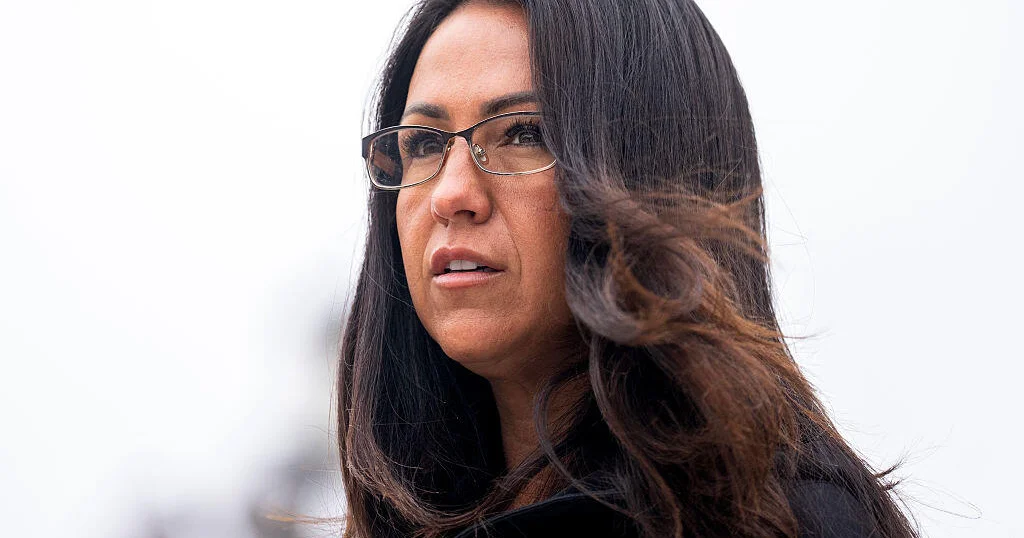
The expanded target list features several high-profile races, including Colorado’s Lauren Boebert, who secured victory by just over 11 points in 2024. Also included is North Carolina’s Richard Hudson, the NRCC chair who won by more than 18 points two years ago. Arkansas’s French Hill, chair of the House Financial Services Committee, and Indiana’s Victoria Spartz round out the notable additions.
“House Democrats are expanding the battlefield deep into Trump terrain because we have a winning message focused on fighting for an Affordable America,” said DCCC Chair Rep. Suzan DelBene in a statement.
The DCCC’s decision reflects what party leaders view as a favorable political climate for Democrats. Recent polling data and voter enthusiasm indicators suggest that several historically safe Republican districts may now be within reach. This optimism stems from mounting voter dissatisfaction with the Trump administration, particularly regarding cost-of-living concerns and international affairs.
Republican Response and Strategic Positioning
Republicans have responded with characteristic confidence, dismissing the Democratic expansion as premature optimism. Mike Marinella, spokesperson for the National Republican Congressional Committee, characterized the move as occurring during the “hallucination phase of the election cycle.”
“Instead of explaining why radical socialists hijacked the districts they actually need to win, they’re pretending deep-red Republican seats are suddenly competitive,” Marinella stated. “It’s a pathetic coping mechanism from a committee that’s watching its path to the House majority disappear.”
The NRCC is simultaneously targeting 36 Democratic districts, having added seven new races to its roster just two weeks prior. These targets include perennially competitive districts in Washington, Texas, Virginia, and Ohio, alongside several recently redistricted seats that could prove pivotal.
Redistricting Creates New Opportunities
This year’s House races have been significantly reshaped by mid-decade redistricting efforts. Texas Republicans, acting at President Trump’s direction, moved five Democratic districts to the right last summer. California responded by shifting five GOP-held districts rightward, while other red states adjusted their maps to minimize Democratic gains.
Democrats argue that this redistricting scramble could actually benefit their cause by making certain Republican-held districts less reliably conservative. Several NRCC targets include newly redrawn districts in Texas, Missouri, Florida, Alabama, and Louisiana that may present unexpected opportunities.
What Voters Want
A CBS News poll released last week revealed that 47% of U.S. adults prefer Democratic control of Congress next year, compared to 40% who favor Republican retention. Republicans counter that many voters remain skeptical of Democratic economic and immigration policies, noting that former President Joe Biden departed office with relatively low approval ratings.
The GOP is also working to exploit divisions between moderates and progressives within the Democratic coalition. With Republicans defending a razor-thin House majority, they can afford to lose only two seats without surrendering control of the lower chamber.
Frequently Asked Questions
Why are House Democrats targeting 12 new GOP districts?
House Democrats targeting 12 new GOP districts reflects their assessment of a favorable political environment. Recent polling shows increased voter dissatisfaction with the Trump administration, particularly regarding economic issues and foreign policy. The DCCC believes these districts, while historically Republican, have become more competitive due to shifting voter sentiment.
Which high-profile politicians are in the newly targeted districts?
The most notable additions include Colorado’s Lauren Boebert, North Carolina’s Richard Hudson (NRCC Chair), Arkansas’s French Hill (Financial Services Committee Chair), and Indiana’s Victoria Spartz. These representatives won their previous elections by margins ranging from 11 to 19 points.
How does redistricting affect these target districts?
Mid-decade redistricting has altered the political landscape significantly. Texas Republicans moved five Democratic districts rightward, while California shifted five GOP-held districts in the opposite direction. Democrats believe this process has made some Republican districts more competitive, while Republicans view it as protecting their existing advantages.
What are the odds of Democrats flipping these seats?
While exact odds vary by district, the combination of national headwinds for the incumbent party, voter dissatisfaction with current policies, and favorable redistricting in certain areas has led Democrats to expand their target list. Republicans must lose only two seats to maintain control, making every targeted district crucial for both parties.