
Cyclospora Outbreak Tied to Iceberg Lettuce Expands to 15 States
Wertynews.com – U.S. health officials confirmed Wednesday that the Cyclospora outbreak tied to iceberg lettuce has now reached 15 states, adding six new locations to the growing list. The Centers for Disease Control and Prevention reported the expansion from nine states, as investigators continue tracking cases linked to contaminated produce. This year alone, the parasite has been reported across at least 47 states nationwide.
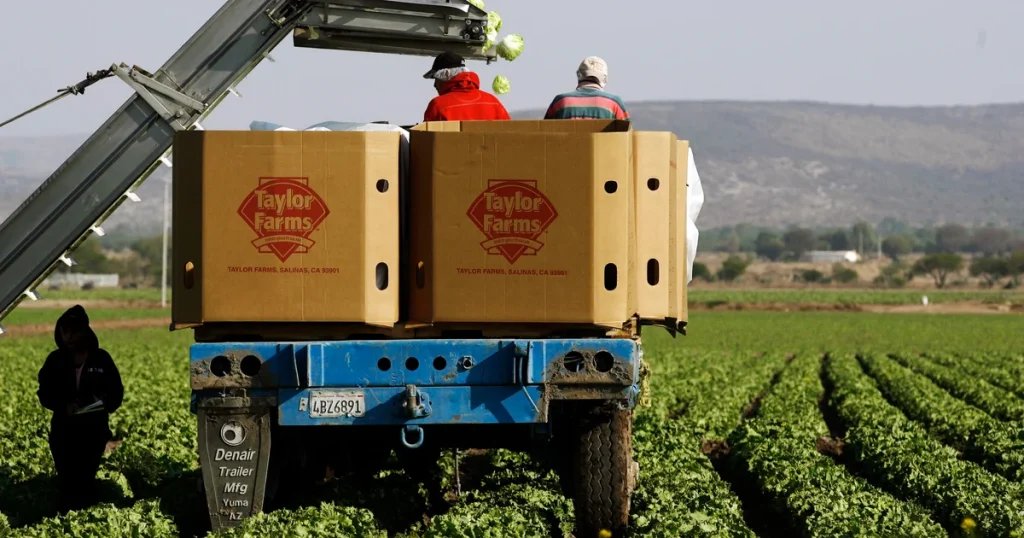
The newly identified states include Arkansas, Iowa, Missouri, Nebraska, New Hampshire, and North Carolina. They join Illinois, Indiana, Kansas, Kentucky, Michigan, Ohio, Oklahoma, Pennsylvania, and West Virginia on the affected list. Federal authorities initially focused on lettuce served at Taco Bell restaurants before narrowing their investigation to Taylor Farms, which has issued a recall for iceberg lettuce grown in central Mexico.
Investigation Challenges and Timeline
Confusion arose last month when the Food and Drug Administration announced that a positive test result for cyclospora in Taylor Farms lettuce was a false positive. However, the FDA clarified that evidence continues to point toward shredded iceberg lettuce from the company’s central Mexico locations. Dr. Ulysses Wu, chief epidemiologist for Hartford HealthCare, told CBS News that the situation remains uncertain.
Dr. Juan Luis Marquez, medical director of Washtenaw County and Livingston County health departments in Michigan, explained several factors complicating the investigation. The parasite takes weeks to show symptoms after exposure, making it difficult to trace cases back to specific food sources. Laboratory analysis of cyclospora is also more challenging than testing for other common bacteria.
Additionally, Marquez noted that staffing reductions across federal, state, and local public health agencies have limited available resources. The CDC estimates it can take up to six weeks to confirm whether an individual is part of an outbreak. Cyclospora is a microscopic, spherical parasite that typically causes watery diarrhea with frequent and sometimes explosive bowel movements.
Historical Context and Current Numbers
The heat-loving parasite infects the bowels and spreads through feces, with outbreaks most common during late spring and summer months. Cyclosporiasis is less frequent than foodborne illnesses caused by salmonella and E. coli, and many cases never connect to a specific source. The worst year in U.S. history for infections was 2019, when approximately 4,700 illnesses were reported nationally.
This year has dramatically exceeded that figure. Michigan alone has documented more than 12,000 cases, including two fatalities among patients with significant underlying health conditions. Of those Michigan cases, 193 patients received hospital treatment as of July 30. When combined with other states reporting cases, the national total now exceeds 25,000 infections.
The FDA is currently monitoring five separate cyclospora outbreaks simultaneously. The 15-state outbreak involving iceberg lettuce represents the largest by far. No products have been connected to the other outbreaks, including one that has affected 115 people.
Frequently Asked Questions
What symptoms should I watch for with cyclospora? Common symptoms include watery diarrhea, sometimes explosive, along with fatigue, loss of appetite, weight loss, stomach cramps, and nausea. Symptoms typically appear one to two weeks after exposure.
Is the iceberg lettuce recall still in effect? Taylor Farms has recalled iceberg lettuce grown in central Mexico. Consumers should check their refrigerator for affected products and discard them if unsure.
How long does cyclospora infection last? Without treatment, symptoms can persist for weeks or even months. Antibiotics are usually prescribed to speed recovery and reduce transmission risk.
Who is most at risk? While anyone can contract cyclospora, young children, older adults, and individuals with compromised immune systems face higher risks of severe complications.