
Minnesota Woman Hospitalized with Sepsis Takes Legal Action Against Chipotle
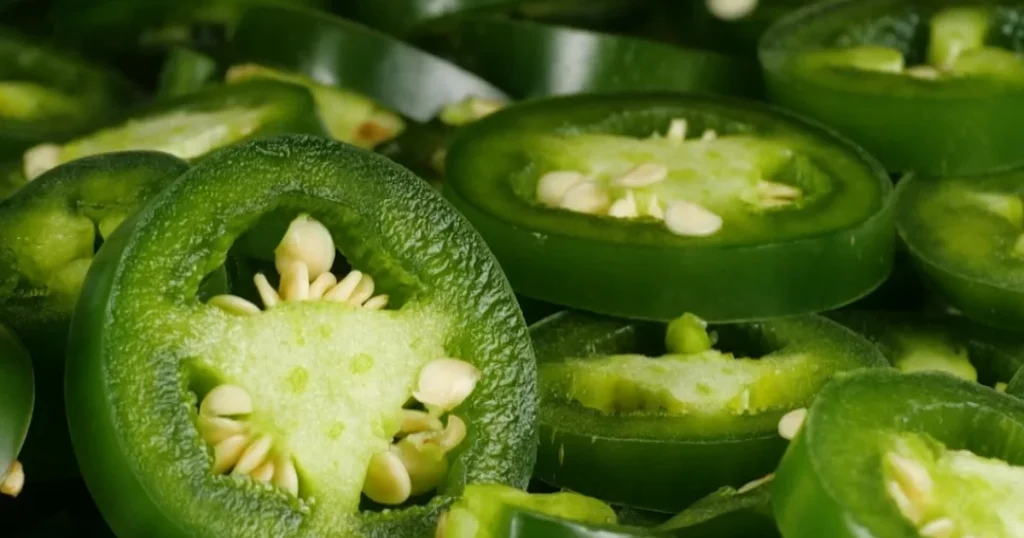
Wertynews.com – A Minnesota woman hospitalized with sepsis has filed a lawsuit against the popular fast-casual restaurant chain Chipotle, alleging that contaminated jalapeño peppers served at a local location triggered a widespread salmonella outbreak. The legal action comes as public health officials continue to track the growing number of illnesses linked to the contaminated produce, which has now affected hundreds of people across multiple states.
Kristen Behne, the plaintiff in the case, filed her lawsuit on Tuesday in U.S. District Court in Minnesota. She is seeking more than $75,000 in damages to cover medical expenses, lost wages, and other losses resulting from her illness. According to court documents, Behne consumed a chicken burrito bowl at a Chipotle restaurant in Roseville, Minnesota, on June 24. Within three days, she experienced severe symptoms including fainting and a fever that climbed to 102 degrees, ultimately requiring hospitalization for sepsis.
Outbreak Details and Public Health Response
Behne was discharged from the hospital on June 30, though she reports that her recovery has been incomplete. Genetic testing conducted by health officials confirmed that her infection was connected to the broader outbreak, and the Minnesota Department of Health officially classified her case as outbreak-associated on July 1. This confirmation was crucial for establishing the link between her illness and the contaminated jalapeño peppers.
Public health officials have now connected at least 110 illnesses in Minnesota alone to this outbreak, with the national total reaching 212 cases. The Centers for Disease Control and Prevention has since expanded its tracking, reporting at least 345 illnesses across 27 states as of Wednesday. Among those affected, 36 people have required hospitalization, highlighting the severity of the outbreak. Chipotle has publicly attributed the outbreak to a single contaminated lot of jalapeño peppers and took swift action to remove the product from its restaurants in early August.
Legal Arguments and Chipotle’s History
The lawsuit filed by the Minnesota woman hospitalized with sepsis argues that Chipotle should have anticipated the risk of contamination. The complaint cites the company’s extensive history of foodborne illness incidents as evidence that the restaurant chain was aware of potential problems. Notably, the suit references a 2015 salmonella outbreak in Minnesota that sickened 64 people, as well as a 2020 case in which Chipotle paid a $25 million criminal fine after outbreaks sickened more than 1,100 people between 2015 and 2018.
“Chipotle told the public it had learned its lesson,” the suit states. “But we now know that it did not.” Behne’s attorneys have indicated that they may later seek punitive damages pending discovery into what Chipotle knew about the risks associated with their jalapeño supply. The legal team is examining internal documents and communications to determine whether the company had prior warnings about potential contamination issues.
Chipotle’s response to the outbreak included replacing the jalapeños with product from a different grower, stating that the company acted “out of an abundance of caution” once the outbreak was detected. The company has also implemented additional testing protocols for its produce supply chain to prevent similar incidents in the future.
What This Means for Consumers
For consumers who dined at Chipotle locations during the affected period, health officials recommend monitoring for symptoms including diarrhea, fever, abdominal cramps, and vomiting. These symptoms typically appear 12 to 72 hours after exposure to the contaminated peppers. While most people recover without treatment, those with weakened immune systems, young children, and elderly individuals are at higher risk for severe complications.
The lawsuit filed by the Minnesota woman hospitalized with sepsis represents one of several potential legal actions related to this outbreak. As investigations continue, other affected individuals may file similar claims against the restaurant chain. The outcome of this case could set important precedents for how fast-casual restaurants handle food safety issues and communicate risks to customers.
“We are committed to providing safe, high-quality food to our customers,” a Chipotle spokesperson said in a statement. “We are working closely with health officials to ensure this outbreak is contained and to prevent future incidents.”
Frequently Asked Questions
When did the Minnesota woman hospitalized with sepsis file her lawsuit?
Kristen Behne filed her lawsuit on Tuesday in U.S. District Court in Minnesota, seeking more than $75,000 in damages for her medical expenses and related losses.
How many people have been affected by the Chipotle salmonella outbreak?
As of the latest CDC report, at least 345 illnesses have been reported across 27 states, with 36 hospitalizations. Minnesota alone accounts for at least 110 cases.
What symptoms should consumers watch for after eating at Chipotle?
Common symptoms include diarrhea, fever, abdominal cramps, and vomiting. These typically appear 12 to 72 hours after exposure to contaminated jalapeño peppers.
What action did Chipotle take in response to the outbreak?
Chipotle removed the contaminated jalapeños from all restaurants in early August and replaced them with product from a different grower. The company also implemented additional testing protocols for its produce supply chain.
Could this lawsuit result in punitive damages?
Behne’s attorneys have indicated they may seek punitive damages pending discovery into what Chipotle knew about the risks associated with their jalapeño supply and whether the company failed to act on prior warnings.