
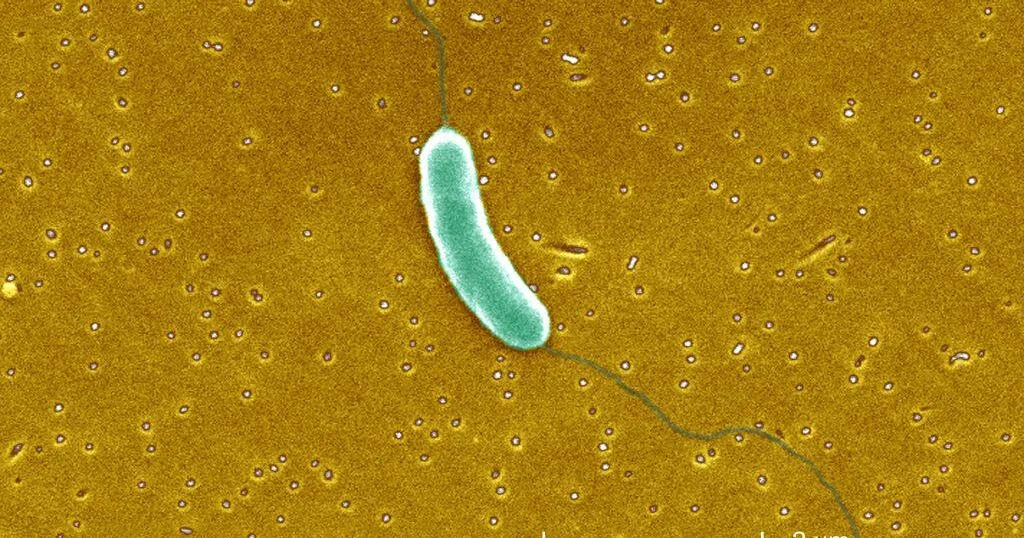
Five Fatalities Linked to Flesh-Eating Bacteria in Louisiana This Year
Wertynews.com – State health authorities in Louisiana announced Thursday that Vibrio vulnificus, a bacterium thriving in warm coastal waters, has claimed at least five lives in 2026. The Louisiana Department of Health confirmed nine total cases of the infection this year, with every patient requiring hospitalization.
All nine individuals developed the infection through open wounds that came into contact with seawater. Each patient also presented with preexisting medical conditions that increased their vulnerability to severe illness.
Comparing This Year to Historical Data
Over the previous decade, Louisiana experienced an average of seven Vibrio vulnificus cases annually, accompanied by a single death. The situation intensified in 2025, when the state documented at least 26 cases and five fatalities.
Florida has similarly reported two deaths from the bacteria so far this year. According to the Florida Department of Health, the state recorded 19 deaths in 2024 and five additional fatalities in 2025. Officials noted that major storms, particularly Hurricane Helene in 2024, delivered heavy floodwaters and standing water to communities, leading to increased infection rates.
Expanding Geographic Risk
Experts attribute the growing threat to rising ocean temperatures driven by climate change, which are extending Vibrio vulnificus into previously unaffected regions. This spring, water samples collected along New York’s Long Island coast revealed the presence of the bacteria.
While approximately a dozen Vibrio species can cause vibriosis, V. vulnificus stands out as the most dangerous. Data from the U.S. Centers for Disease Control and Prevention indicate that roughly one in five people who contract this particular strain will die from it. The infection can also necessitate amputations in severe cases.
Understanding Transmission and Symptoms
The CDC reports that Vibrio infections peak between May and October, coinciding with the warmest ocean water temperatures. People can acquire the bacteria either through open wounds exposed to seawater or by eating raw or undercooked shellfish, especially oysters.
Individuals with certain preexisting conditions face the highest risk of serious illness. These include cancer, liver disease, HIV, thalassemia, and anyone undergoing immune-suppression treatments.
Wound infections typically present with fever, skin discoloration, drainage or discharge, and pain or swelling around the affected area. Bloodstream infections may cause fever, chills, dangerously low blood pressure, and skin lesions. Gastrointestinal manifestations include diarrhea, stomach cramps, nausea, and vomiting.
Prevention Recommendations
The Louisiana Health Department advises the public to avoid salt or brackish water, which are zones where saltwater and freshwater converge. Following any potential exposure, wounds should be washed thoroughly with soap. When handling seafood, ensure it is cooked completely and keep prepared food separate from raw products.
Related Reading
Frequently Asked Questions
What is Flesh eating bacteria has killed 5?
Flesh eating bacteria has killed 5 is the main topic of this guide. The article explains the context, practical details, and next steps readers should understand.
Why does Flesh eating bacteria has killed 5 matter?
Flesh eating bacteria has killed 5 matters because readers are looking for a useful answer, not just a short summary. Good content should match search intent and help them decide what to do next.