
Wage Growth Outpaces History, Yet Inflation Claims the Spoils
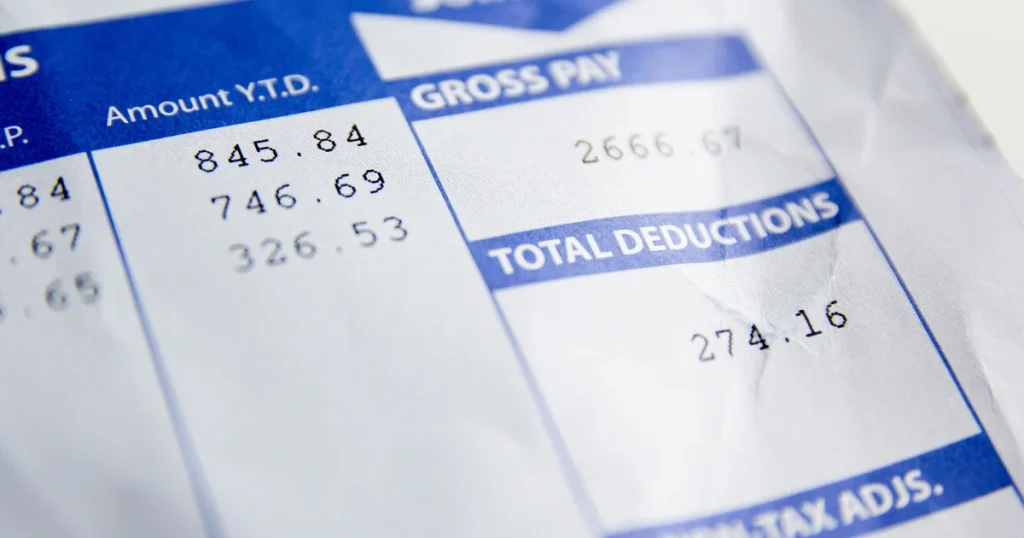
Wertynews.com – Since 2019, American workers have experienced their most substantial paycheck expansion in four decades. Yet the majority of that improvement evaporated as living expenses surged. According to a CBS News examination of Census Bureau figures, the median full-time employee brought home $1,250 weekly during the opening months of 2026. This represents a $342 jump compared to the year preceding the global health crisis, marking a 38 percent increase.
However, rising costs nearly matched that progress. Over the identical seven-year window, consumer prices climbed 30 percent, absorbing approximately 80 percent of the average employee’s salary boost. The remaining benefit amounts to roughly $70 additional per week when measured in current purchasing power. Spread across the full period, this translates to a 6 percent total increase, or under 1 percent annually.
When viewed through a typical household lens, that weekly surplus proves modest. It covers either a single tank of fuel for an SUV or represents less than one-third of a weekly shopping trip for a frugal family of four. This discrepancy clarifies why countless households experienced a paradox throughout the Trump, Biden, and subsequent Trump terms: salary bumps that failed to noticeably alter financial circumstances.
Uneven Distribution of Gains
Inflation reached its zenith in June 2022, with prices surging 9 percent compared to the previous twelve months—the steepest climb recorded since 1981. The benefits did not spread uniformly across all employment sectors. Among occupations CBS News could track with confidence, approximately half of employees outpaced price increases, while a quarter remained flat, and the remaining quarter saw their real earnings decline despite nominal pay growth.
The magnitude and direction of these adjustments sometimes defied conventional expectations. Workers in the bottom tenth of the earnings spectrum enjoyed a 9.4 percent real increase even following the inflation surge. The median employee gained 5.9 percent, whereas the top quarter of earners secured only 2.6 percent—demonstrating that higher compensation levels correlated with smaller real gains.
Two well-known professions illustrate this divergence clearly. Both registered nurses and police officers command salaries near $80,000 annually. During the seven-year span, law enforcement compensation improved by nearly 10 percent once inflation was removed. Meanwhile, nursing salaries showed minimal movement after accounting for price escalation.
Unexpected Winners and Losers
Some of the most impressive real gains emerged within traditionally lower-compensated roles. Childcare providers, home health aides, nursing assistants, and restaurant servers all exceeded inflation by over 10 percent during the period. For dining staff, this outcome stems partly from mathematics: since gratuities represent a fixed percentage of the total bill, rising menu costs frequently generated higher tips.
Conversely, educators experienced declines. Elementary and secondary school teachers saw their purchasing power drop by approximately 5 percent after inflation adjustments. High school instructors fared slightly worse.
Postal workers faced similar challenges. Letter carriers lost roughly 10 percent in real value. In January 2025, they rejected a proposed national agreement by more than two to one, marking their union’s first defeat since 1978, following an offer of base wage hikes averaging 1.3 percent yearly.
Historical Perspective
Despite these setbacks, the overall improvement remains historically notable. When adjusted for inflation, the median worker’s compensation increased 5.9 percent between 2019 and 2026, surpassing most seven-year periods since 1979. By comparison, the decade following 1979 saw real pay decline by 3.6 percent, while the 1990s delivered only a 0.3 percent gain.
Related Reading
Frequently Asked Questions
What is Americans got their biggest raises in 40?
Americans got their biggest raises in 40 is the main topic of this guide. The article explains the context, practical details, and next steps readers should understand.
Why does Americans got their biggest raises in 40 matter?
Americans got their biggest raises in 40 matters because readers are looking for a useful answer, not just a short summary. Good content should match search intent and help them decide what to do next.