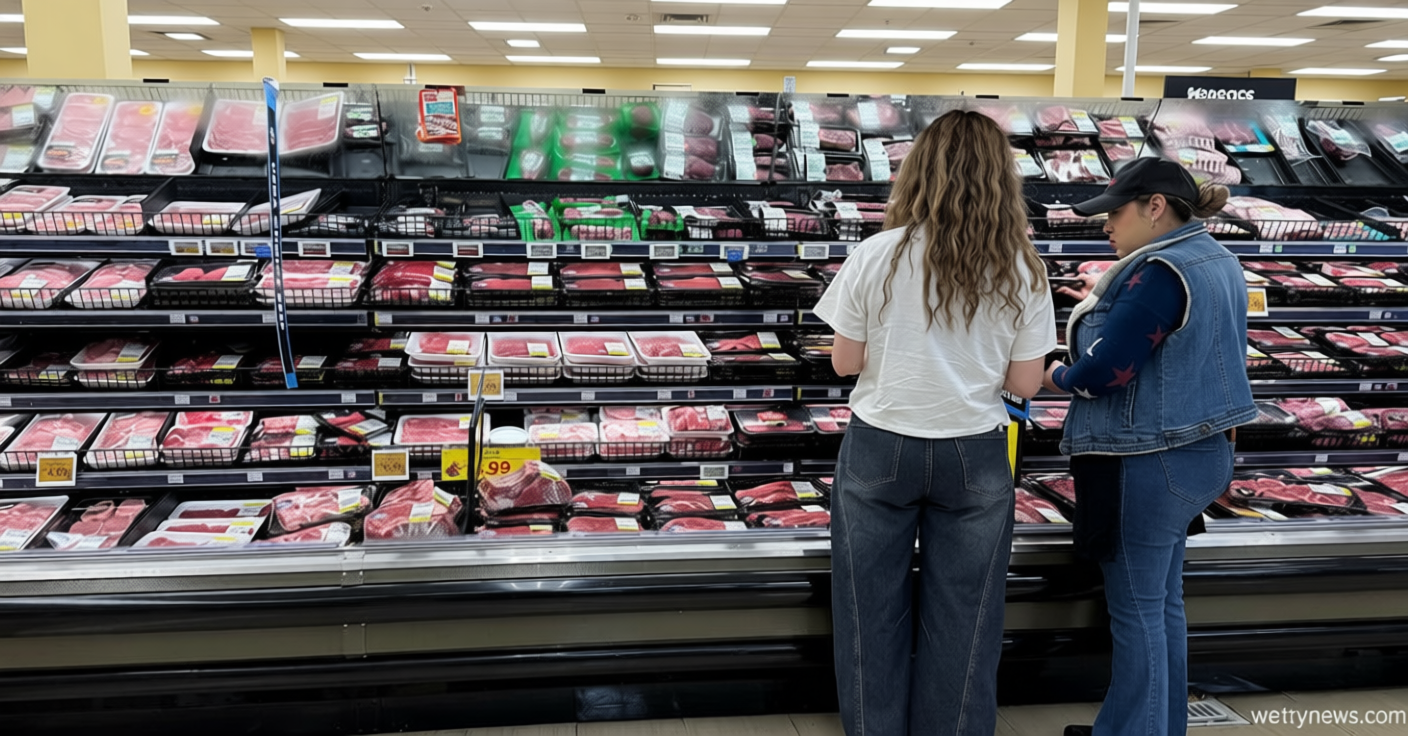
Will Trump’s Venezuela oil deal lower U.S. gas prices? Here’s what experts say.

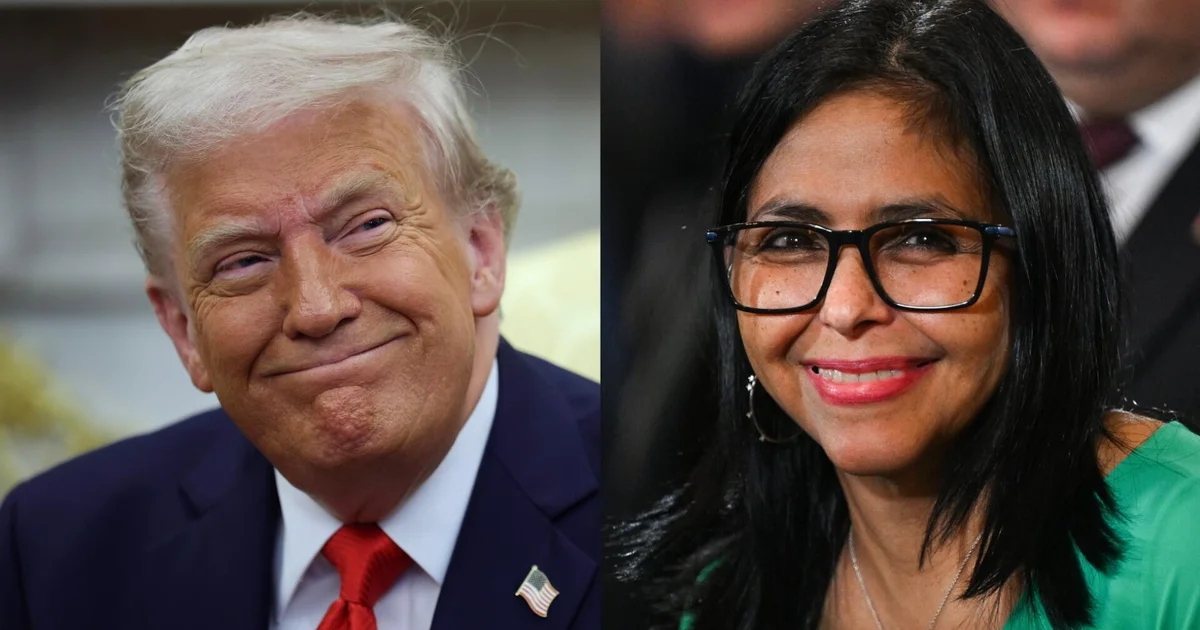
Table of Contents
Will Trump’s Venezuela Oil Deal Lower Gas Prices?
Wertynews.com – Will Trump’s Venezuela oil deal bring relief to the American driver? With the national average gasoline price hovering above four dollars per gallon, the question has dominated pump-side conversations for months. On Friday, President Trump declared that a newly struck arrangement with Venezuela to unlock the South American nation’s vast crude reserves “will substantially lower gas prices for all Americans, long into the future.” The promise is seductive, yet the physics of upstream oil development tells a far less flattering story.
Energy analysts who track the mechanics of field development are unanimous: whatever the political symbolism of the announcement, the deal will not move the needle at the local gas station for years — perhaps over a decade.
The 15-Year Extraction Timeline
The agreement, as outlined by Venezuelan state media on Saturday, targets 17 strategic oil fields holding proven reserves of roughly 65 billion barrels. That is an enormous figure on paper. Translating proven reserves into barrels actually flowing through pipelines and into U.S. refineries, however, is a process measured in decades, not quarters.
Global Energy Monitor, a nonprofit that catalogs energy infrastructure worldwide, notes that newly discovered fields typically require around 15 years before they begin producing crude. The organization cautions that even that timeline leans optimistic when one factors in geopolitical volatility and the particular character of Venezuelan crude. Much of the country’s output is heavy oil — dense, sulfur-rich, and far more expensive to process than the lighter grades American refineries were historically designed to handle. That mismatch alone adds cost and complexity to any supply chain linking Venezuelan barrels to U.S. pumps.
“It could take five to 15 years before enough Venezuelan oil flows to the U.S. to affect domestic gas prices.” — Tracy Shuchart, CEO of Hilltower Resource Advisors
Shuchart made the remark in a social media post, echoing a broader consensus among commodity analysts. Patrick De Haan, a petroleum analyst at GasBuddy, framed the announcement in a Monday research note as a political signal rather than a near-term supply event: “A signal that the White House remains concerned about elevated fuel prices — though in reality, any benefits from increased Venezuelan output will take years to fully materialize and are unlikely to move the needle in the near term.”
Reserves Versus Production Reality
Venezuela sits atop the largest proven oil reserves on Earth — just over 300 billion barrels, per the U.S. Energy Information Administration. The United States, by comparison, holds fewer than 50 billion. The gap is staggering and explains why Washington has long viewed Caracas as a strategic energy partner. Yet reserves are not production. Years of underinvestment have left Venezuela’s fields degraded, and industry estimates put the capital needed to restore full capacity at no less than $100 billion.
The country did manage to lift output this year to approximately 1.1 million barrels per day in the second quarter, up from 941,000 barrels per day in 2025, based on the latest OPEC figures. That gain, while welcome, is modest in scale. UBS analysts, in an August 31 report, underscored the difficulty of scaling up: “The performance of Venezuela’s oil sector so far this year underscores that expanding production is no easy feat. Roughly eight months after former Venezuelan president Nicolás Maduro’s removal from office, Venezuelan petroleum output is up by just 100-200 thousand barrels per day from a very low base.”
The arrangement takes the form of a private joint venture. Venezuelan President Delcy Rodríguez announced that the country has granted a 100-year concession to operate across the 17 designated fields. The U.S. government will hold a 55% stake in the venture, split between equity ownership and the right to purchase oil from the operation at cost, per a U.S. official briefed on the terms. Secretary of State Marco Rubio, speaking on social media Friday, projected that the project would draw nearly $100 billion in private capital into Venezuela and generate thousands of jobs. Bob McNally, a former energy adviser in the George W. Bush White House, told The Associated Press that the deal appears to open a door for private-sector investment in Venezuela’s oil sector — a door that has been firmly shut for most of the past two decades.
Frequently Asked Questions
Will Trump’s Venezuela oil deal lower gas prices in the short term? No. Analysts at Hilltower Resource Advisors, GasBuddy, and UBS all project that meaningful supply effects will not appear for five to 15 years. Near-term pump prices will continue to track OPEC+ quotas, seasonal demand, and refinery maintenance schedules.
How much oil does the deal actually unlock? The concession covers 17 fields with roughly 65 billion barrels of proven reserves. Restoring full production capacity across those fields would require an estimated $100 billion in capital investment over multiple decades.
What role does the U.S. government play in the venture? Washington holds a 55% stake, structured as a combination of equity ownership and a cost-based purchase right on the oil produced. The remaining 45% is expected to be filled by private-sector partners over time.
Why is Venezuelan crude harder to use than other grades? Much of Venezuela’s output is heavy, sulfur-rich oil. American refineries were largely built for lighter grades, so processing Venezuelan barrels requires additional upgrading capacity, adding cost and logistical complexity to any supply chain.