
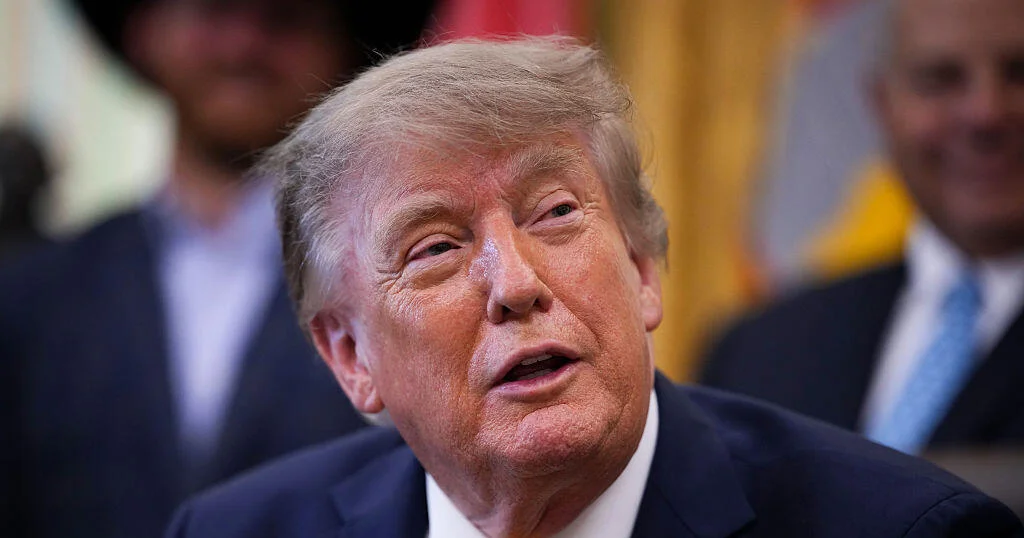
Trump Directs DOJ Not to Appeal Texas Gun-Rights Ruling
Wertynews.com – President Trump ordered DOJ not to appeal a federal court ruling that eased certain longstanding federal restrictions on short-barreled firearms and silencers, according to people familiar with the matter. The decision means the Justice Department is not expected to seek review of the Texas ruling before its appeal deadline.
The case concerns parts of the National Firearms Act, a 1934 law that created special registration, application and identification requirements for weapons Congress considered especially dangerous or easy to conceal.
What the Texas ruling covers
In August, U.S. District Judge James Wesley Hendrix of the Northern District of Texas found that most of the challenged National Firearms Act provisions were unconstitutional. Hendrix, a Trump appointee, ruled in consolidated lawsuits brought by 15 Republican-led states, Second Amendment organizations and individual plaintiffs.
Trump ordered DOJ not to appeal after signaling to Republican lawmakers that the administration would allow the decision to stand, people with knowledge of the discussions said.
The ruling does not eliminate federal controls on machine guns or explosive devices. It also does not broadly change rules governing commonly sold firearms, including AR-15-style rifles and Glock pistols, which are generally regulated under other federal laws.
Federal restrictions on firearm possession by certain people, including convicted felons, remain in force. Those prohibitions still apply to short-barreled rifles, short-barreled shotguns and silencers.
How the National Firearms Act requirements worked
Before the injunction, people seeking to make, possess or transfer covered firearms and devices generally had to submit detailed paperwork to the Bureau of Alcohol, Tobacco, Firearms and Explosives. Applicants were fingerprinted, covered items were registered, and the firearms required serial-number engravings.
The law was originally designed to regulate weapons linked to organized crime in the 1930s, including sawed-off shotguns and Tommy guns associated with figures such as Al Capone. Its regulatory framework was tied to Congress’s taxing authority and historically included a $200 tax on covered items when they were made or transferred.
Congress removed that tax last year through the One Big Beautiful Bill Act. Hendrix concluded that the change was central to whether the remaining regulatory provisions could still be supported under Congress’s taxing power.
“Because today’s NFA does not generate any revenue from untaxed firearms, its regulatory provisions cannot be upheld under the taxing power,” the judge wrote.
The judge said the law’s text, structure and legislative history did not show that Congress relied on another constitutional power for the challenged provisions.
Why the Justice Department decision matters
Trump ordered DOJ not to appeal despite objections from some career and politically appointed Justice Department lawyers, who argued that the ruling should be challenged. Some officials warned that the decision was already complicating federal firearms prosecutions in different parts of the country.
The department had also declined to seek a stay that would have paused Hendrix’s order while further litigation continued. The injunction took effect on Aug. 13, and the department said at the time that it was assessing the consequences of the ruling.
The appeal deadline is Oct. 5. If the Justice Department does not file an appeal, the district court’s decision will remain in place without review by a higher court.
FAQ: What the ruling means in the United States
Does the ruling legalize all restricted firearms?
No. The ruling leaves federal controls on machine guns and explosive devices in place and does not broadly alter laws governing ordinary commercially sold firearms.
Who is covered by the Texas decision?
The decision applies to the plaintiffs and members of the organizations involved in the case, including current and future members. Its practical effect can depend on a person’s connection to those groups and the specific firearm or device involved.
Can people prohibited from owning guns possess these items?
No. Existing federal prohibitions on gun ownership by people such as convicted felons remain effective, even if the item is a short-barreled rifle, short-barreled shotgun or silencer.