
U.S. Embassy in Mexico Issues Travel Warnings for Americans Ahead of World Cup
Wertynews.com – The U.S. Embassy in Mexico has issued a comprehensive travel advisory, urging American citizens to remain cautious as the World Cup kicks off across the country. The alert, released in the lead-up to the event, highlights potential safety risks in various regions, emphasizing the need for vigilance during the tournament. With matches scheduled across multiple states, including Mexico City, Monterrey, and Guadalajara, the advisory serves as a critical resource for visitors navigating the challenges of traveling in a country known for its diverse security landscape. The U.S. Embassy in Mexico has taken the initiative to provide detailed guidance, ensuring that Americans are well-informed about the risks and how to mitigate them during their stay.
Regional Risk Assessments and Their Implications
According to the U.S. Embassy in Mexico, the safety conditions in different parts of the country “vary greatly by region,” requiring tailored advisories for each area. Mexico City, a major hub for World Cup matches, has been flagged for its exposure to terrorism and organized crime. The embassy notes that the capital’s security situation is influenced by the presence of drug cartels and militant groups, which have carried out attacks in recent years. Meanwhile, Nuevo León, home to the Estadio Monterrey, faces heightened risks due to reported incidents of kidnapping and armed robberies along key highways. These routes, such as Highway 85/85D, 54, and 40/40D, are often targeted by criminal gangs, particularly during late-night travel.
In Guadalajara, Jalisco, the U.S. Embassy in Mexico has raised concerns about the state’s ongoing struggle with crime. The advisory highlights that Jalisco has been a focal point of Mexico’s missing persons crisis, with incidents involving terrorist groups, cartels, and other criminal organizations contributing to a significant number of casualties. The embassy’s report specifically mentions the February 2026 operation targeting cartel leader “El Mencho,” which resulted in the deaths of over 70 individuals, including 25 National Guard members. These events underscore the need for Americans to stay updated on local conditions and adjust their travel plans accordingly.
Key Security Concerns During the Tournament
The U.S. Embassy in Mexico has categorized several regions as high-risk, with varying levels of caution advised for visitors. Mexico City and Nuevo León receive the “Exercise increased caution” rating, which suggests that while the risk is manageable, travelers should be aware of the potential for crime and take preventive measures. This includes avoiding unfamiliar areas after dark and keeping valuables secure. In contrast, Tamaulipas has been designated as a “Do not travel” zone due to its high incidence of criminal activity, including violent attacks and ambushes. The embassy’s recommendation for Tamaulipas is based on recent reports of increased gang violence and the presence of drug trafficking networks.
Additionally, the U.S. Embassy in Mexico has advised Americans to monitor updates from the State Department, as the security situation in certain regions can shift rapidly. The World Cup, which will be held from June 11 to July 19, has drawn global attention to Mexico’s cities, but it has also amplified concerns about crime and safety. While the event is expected to boost tourism, the embassy’s warnings highlight the importance of preparedness. Visitors are encouraged to research local news, stay informed about police patrols, and avoid traveling alone in high-risk areas. The U.S. Embassy in Mexico also recommends using official transportation services and keeping emergency contacts readily available.
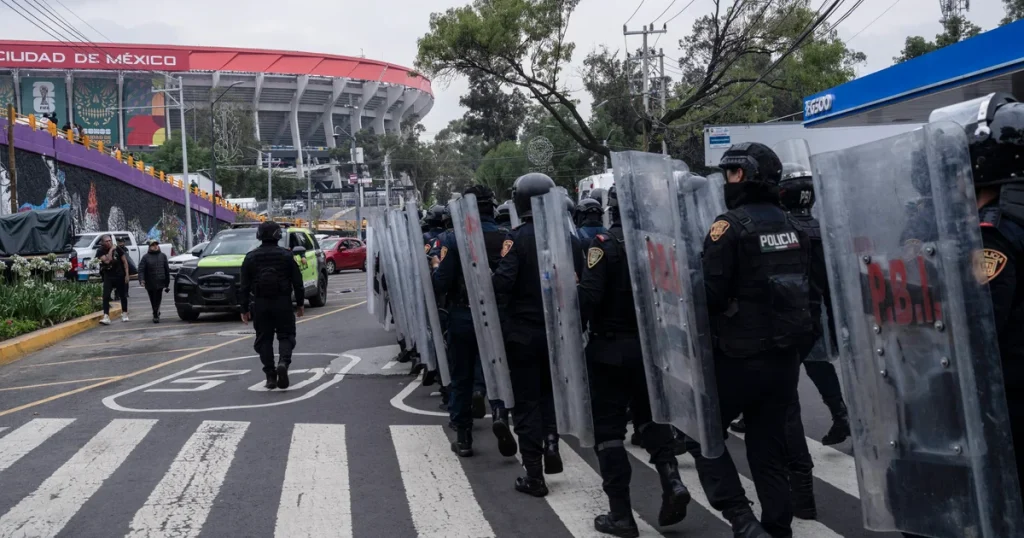
Security challenges in Mexico extend beyond the World Cup period, with the U.S. Embassy in Mexico providing ongoing assessments throughout the event. The embassy has highlighted that criminal groups often target sports events as opportunities to conduct attacks, particularly in crowded areas. This has led to the deployment of additional security forces in host cities, though the risk of incidents such as carjackings or armed robberies remains present. The U.S. Embassy in Mexico has also noted that the presence of armed groups in certain regions could lead to unexpected disruptions, such as road closures or delayed transportation.
Travel Advisory Details and Practical Recommendations
As part of its advisory, the U.S. Embassy in Mexico has outlined specific recommendations for American visitors. These include staying in well-known tourist zones, avoiding remote areas, and maintaining situational awareness at all times. The embassy emphasizes that while the World Cup is a major event, it is essential to prioritize personal safety by adhering to these guidelines. For example, in Mexico City, where the Mexico City Stadium will host five matches, travelers are advised to use public transportation during peak hours and avoid walking alone in poorly lit neighborhoods.
Moreover, the U.S. Embassy in Mexico has called on Americans to review the latest security updates before and during their visit. The advisory underscores that the risk levels in specific regions can change based on current events, and staying informed is crucial for making safe decisions. The embassy also recommends that visitors carry identification and keep their belongings secure, particularly in crowded places where theft is common. These measures, combined with the broader travel warnings, aim to provide a comprehensive strategy for minimizing risks while enjoying the World Cup in Mexico.
In conclusion, the U.S. Embassy in Mexico has taken a proactive approach to ensuring the safety of American citizens during the World Cup. By providing detailed regional assessments and actionable recommendations, the embassy has equipped visitors with the tools to navigate potential threats. While the event offers a unique opportunity to experience Mexican culture and football, the advisory serves as a reminder of the importance of preparedness and vigilance. The U.S. Embassy in Mexico continues to monitor the situation closely, updating its guidance as needed to reflect the evolving security landscape. For Americans planning to attend the World Cup, this advisory is a vital resource in ensuring a safe and enjoyable trip.