
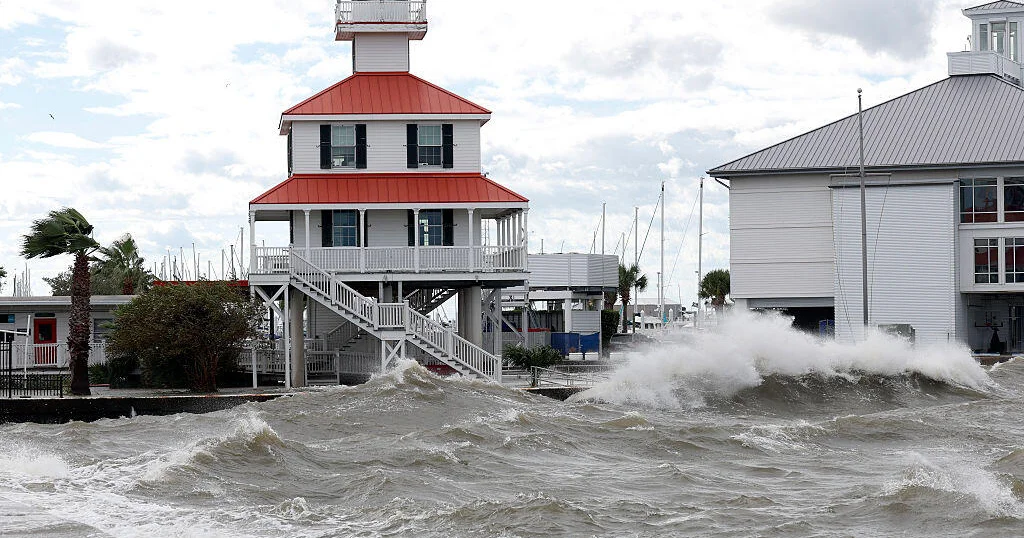
Isaias Weakens After Striking Florida Panhandle and Northern Gulf Coast
Wertynews.com – Hurricane Isaias moved inland early Saturday after coming ashore near Destin, Florida, leaving widespread power outages, flooded roads and dangerous debris across parts of the Southeast.
The system had weakened to a post-tropical cyclone by 2 a.m. Eastern Time Saturday. Maximum sustained winds were measured at 65 mph as the storm’s center passed roughly 55 miles southwest of Montgomery, Alabama. It was traveling north at 20 mph.
Although hurricane warnings were lifted, coastal and inland hazards remained. A storm surge warning continued along Florida’s coast from the Santa Rosa-Okaloosa county boundary to the Suwannee River. A tropical storm warning covered the stretch from the Alabama-Florida line east to the Aucilla River.
Power failures and dangerous travel conditions
More than 697,000 utility customers in Florida, Alabama and Georgia were without electricity as the storm crossed the region. Wind damage and standing water complicated travel, while some counties in the Florida Panhandle temporarily halted emergency responses because conditions had become too hazardous for crews.
Destin experienced street flooding after landfall, and authorities in nearby Pensacola urged people to stay off roadways littered with fallen branches, trees and power lines. Images shared by residents showed damaged homes and downed utility equipment. One social-media video appeared to show wind tearing part of the roof from a Pensacola inn.
Air travel was also disrupted before the storm arrived. Several airports in the Florida Panhandle grounded most Friday flights, including all scheduled arrivals and departures at Destin-Fort Walton Beach Airport.
For residents, the storm’s impact varied sharply by neighborhood. Tim Mowry, who remained at his Pensacola home through the hurricane, said the wind’s sound was especially unnerving as it forced its way through an opening near his patio door.
“As far as Pensacola-wise, we really got fortunate,” Mowry said.
He lost electricity at about 4:30 p.m. Friday but used a generator. Water covered his backyard and sections of his fence were damaged, though he said the destruction was less severe than he had feared. His son, who lives around 15 minutes away, tried to reach the home after losing power but turned back when fallen trees and power lines blocked the route.
Landfall followed brief major-hurricane strength
Isaias reached the coast near Destin at approximately 8 p.m. Eastern Time Friday. Before landfall, it had intensified to Category 3 status, with sustained winds reaching 120 mph. That designation makes it a major hurricane.
It later weakened to Category 2 strength as it arrived in the United States, but the storm still carried the potential for destructive winds, coastal inundation and heavy rainfall well after crossing the shoreline. Such systems can continue producing hazardous weather inland even as wind speeds decline.
Forecasters expected southern Alabama, southwestern Georgia, the Florida Panhandle and Florida’s Big Bend to receive 4 to 8 inches of rainfall. Isolated totals could climb as high as 15 inches. Elsewhere in the Southeast, projected rainfall ranged from 2 to 10 inches.
Those totals raised concerns about flash flooding, particularly in locations where drainage systems could be overwhelmed or where wind-blown debris blocked roads. Residents were urged to avoid driving through flooded areas and to treat downed power lines as live and dangerous.
Evacuations and preparations across the coast
Tens of thousands of people along the northern Gulf Coast had been ordered to evacuate before Isaias arrived. In Orange Beach, Alabama, streets and beaches were largely deserted on Friday ahead of what would normally have been a busy tourist weekend.
The traffic congestion created by evacuating residents during the previous two days had subsided by the time officials closed the evacuation window. Strong winds had made further travel increasingly unsafe.
A small number of businesses remained open. Christi Woods, who manages a wine store in Orange Beach, said preparations were especially important because the business sits in an area vulnerable to flooding.
“We do take precautions, I mean, we’re kind of in the flood zone,” Woods said.
Florida Governor Ron DeSantis emphasized that residents should take the hurricane seriously as it approached.
“Folks who are in the path of this storm should know, this is not a random tropical system,” DeSantis said. “It’s a major hurricane. And it’s going to potentially do a lot of damage.”
Federal response and possible fuel-market effects
The White House approved federal emergency declarations for Florida and Alabama before the storm made landfall. Late Friday, President Trump said officials were monitoring Isaias closely and described the response as under control.
Trump also canceled plans to attend Saturday’s University of Georgia-University of Alabama football game in Tuscaloosa, saying he did not want his visit to interfere with emergency operations.
The hurricane was expected to avoid the Gulf Coast’s largest oil-industry centers. Still, widespread outages could affect refinery operations if facilities lose electricity needed to process crude oil. Any prolonged shutdowns could place upward pressure on fuel prices.
As Isaias continued northward, the immediate focus shifted from landfall preparations to restoring power, reopening blocked roads and monitoring flood risks. Even with the hurricane warnings ended, communities in the storm’s path faced a prolonged recovery from heavy rain, damaged infrastructure and disrupted essential services.
Related Reading
Frequently Asked Questions
What is Isaias lashes Southeast after making landfall?
Isaias lashes Southeast after making landfall is the main topic of this guide. The article explains the context, practical details, and next steps readers should understand.
Why does Isaias lashes Southeast after making landfall matter?
Isaias lashes Southeast after making landfall matters because readers are looking for a useful answer, not just a short summary. Good content should match search intent and help them decide what to do next.