
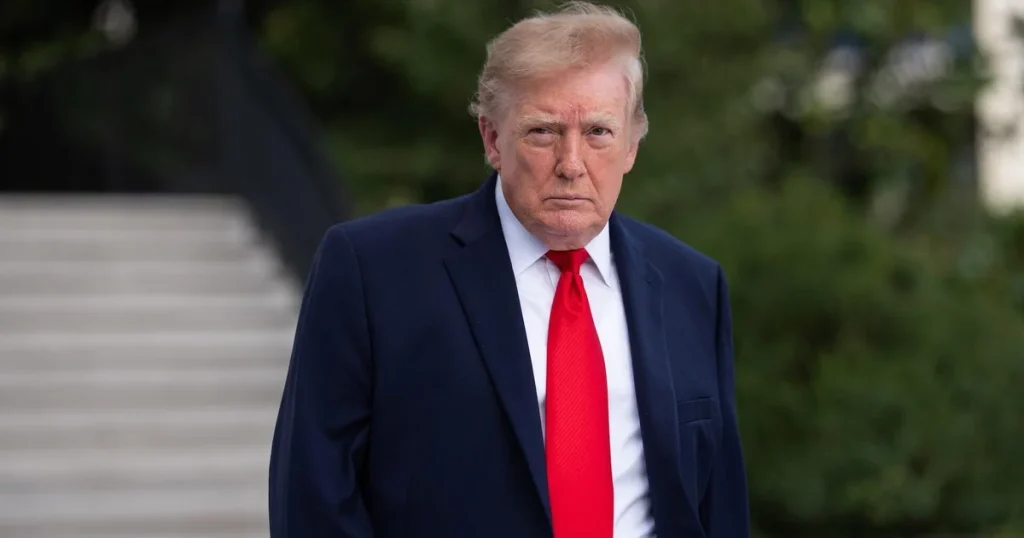
Trump Waives Tariffs on Largest Russian Oil Buyers
Wertynews.com – President Trump waives tariffs on largest buyers of Russian oil and natural gas, delaying new penalties that had been set to take effect Sunday. The decision came days after Trump signed the bipartisan Lindsey O. Graham Sanctioning Russia Act into law.
Late Friday, Trump used executive authority to pause sanctions and tariffs tied to Russian energy trade. The White House said the waivers will remain in place until administration officials decide that further action is necessary.
National-interest waiver delays penalties
The law would have imposed 100% tariffs on the five biggest importers of Russian crude oil and natural gas. It also included a proposed 500% tariff on Russian goods and other Russia-related sanctions, all of which Trump put on hold.
Under the legislation, the president may suspend parts of enforcement after notifying Congress that a waiver serves U.S. national interests. Trump said he sent that notification to lawmakers before issuing the executive order.
Trump waives tariffs on largest importers while directing his administration to keep monitoring countries that buy Russian energy or attempt to evade existing restrictions. China, India and Turkey were among the major purchasers identified by the measure. The European Union has also been an important buyer of Russian natural gas, although its imports have declined substantially in recent years.
Energy prices shape the administration’s approach
The action follows a sharp rise in oil prices connected to the Iran war, as Trump has increasingly emphasized energy supplies and consumer costs. The administration has argued that access to Russian energy could ease pressure on the U.S. market.
A week before the latest decision, Trump relaxed sanctions involving Russian diesel and announced an agreement with Russian President Vladimir Putin to bring diesel into the United States. The moves mark a shift from policies intended to restrict Russia’s oil and gas revenue during its invasion of Ukraine.
Supporters of tougher sanctions argue that Russian energy sales help finance Moscow’s war. The administration faces a competing concern: reducing available supply can contribute to higher fuel prices. By delaying the penalties, Trump retains the ability to restore them later if conditions change.
Ukraine war and congressional criticism
Trump has connected energy prices to the war in Ukraine and urged Kyiv and Moscow to stop striking each other’s energy facilities. Last weekend, he announced what he called an “energy ceasefire.” Ukrainian President Volodymyr Zelenskyy initially said Ukraine was prepared to comply, but later said it would no longer refrain from attacks on Russian refineries after Russian strikes continued.
Members of Congress from both parties have criticized the softened restrictions. Earlier this week, a bipartisan group of senators described diesel-related waivers as a “betrayal of the people of Ukraine” and urged Trump to use the sanctions and tariff powers in the Graham law.
“These authorities require you to apply economic pressure on Russia and the chief enablers of its war, in particular China, and thereby enhance your negotiating position to bring a swift end to this ruinous conflict,” the senators wrote.
The legislation was championed by the late Sen. Lindsey Graham, who died before it became law. Its backers said the measure would increase pressure on Russia and governments that continue to purchase large amounts of Russian oil and gas.
Frequently asked questions
What does it mean that Trump waives tariffs on largest buyers? The scheduled tariffs will not begin Sunday. The underlying law remains in effect, but the administration has temporarily paused enforcement of key provisions.
Which countries could have faced the new tariffs? The measure identified major buyers of Russian energy, including China, India and Turkey. It targeted the five largest importers of Russian crude oil and natural gas.
Could the tariffs return? Yes. The White House can revisit the waivers and impose sanctions or tariffs later if officials determine that additional action is warranted.