
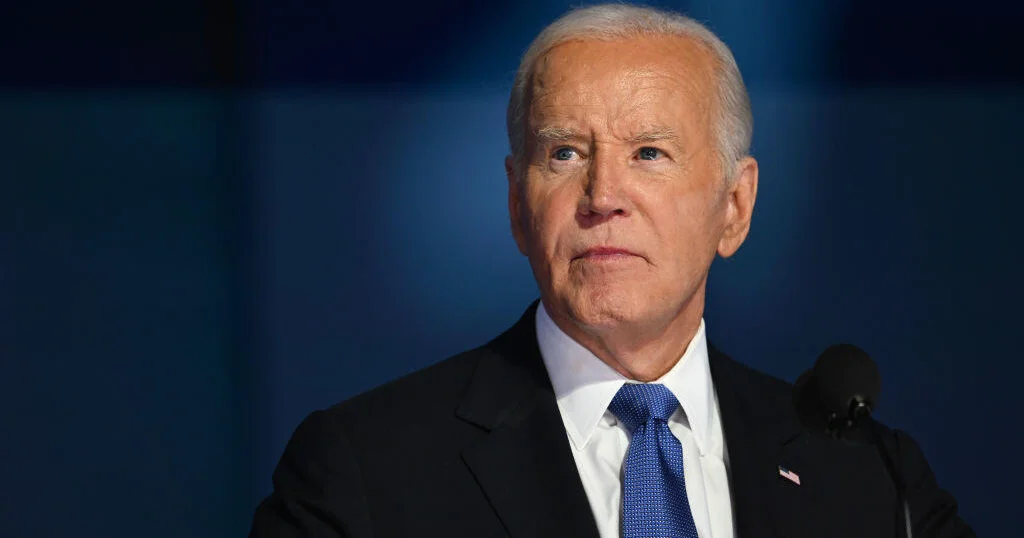
Appeals Court Temporarily Blocks Justice Department’s Release of Biden’s Conversations with Biographer
Wertynews.com – The U.S. Appeals Court recently issued a temporary injunction, halting the Justice Department from releasing redacted transcripts and audio recordings of former President Joe Biden’s private conversations with his biographer, Mark Zwonitzer. This decision, effective for 10 days, paused the disclosure of materials that were initially withheld under the Freedom of Information Act (FOIA) exemptions. The court’s order, which expires at 11:59 p.m. on July 20, allows further review of the case before a final ruling is made, emphasizing that the block is not a permanent barrier but a temporary measure.
Context of the Legal Dispute
The contested materials date back to 2016 and 2017, during which Biden engaged in discussions with Zwonitzer while preparing his memoir, *Promise Me, Dad*. These talks, which were not publicly accessible at the time, gained attention when former special counsel Robert Hur investigated Biden’s handling of sensitive government records after his vice presidency. Hur’s 2017 report concluded that Biden had not committed any crimes, though it raised concerns about his memory and decision-making capabilities. The Heritage Foundation, a conservative think tank, later requested access to the materials, sparking the ongoing legal battle.
Biden’s legal team argued that the release of these conversations could damage his public image, likening the disclosure to sharing personal diary entries or private messages. They contended that the Heritage Foundation’s request lacked urgency, stating,
“This FOIA action has been pending for nearly two and a half years, and there is no meaningful public interest—let alone one that must be satisfied in the immediate days or weeks—in the disclosure of decade-old conversations of a former President who is now a private citizen, and who neither holds nor is seeking public office.”
Meanwhile, the Justice Department maintained that the public has a right to scrutinize the evidence Hur used in his investigation, asserting that transparency is essential for accountability.
The Role of the Freedom of Information Act
The dispute centers on how the Justice Department applies FOIA exemptions to classify the materials. Initially, the department withheld the transcripts and recordings, citing privacy concerns and the potential for embarrassment. However, under President Trump’s administration, the department reversed its position, planning to release the documents to Congress and the Heritage Foundation. This shift led to Biden’s intervention in the lawsuit, where he sought to block the disclosure, arguing that the materials should be treated as personal communications rather than official records.
The temporary injunction highlights the tension between transparency and privacy in the context of the Justice Department’s duty to disclose public records. Legal experts note that the ruling underscores the importance of judicial oversight in determining the appropriateness of such releases. The court’s decision to grant a 10-day pause reflects its recognition of the need for further examination of the case, particularly given the political implications of the materials.
Timeline and Key Developments
The legal action began when the Heritage Foundation filed a public records request in 2021, seeking access to the materials Hur investigated. After a federal judge initially rejected Biden’s motion to block the release, she suspended the disclosure for three weeks, giving the D.C. Circuit time to act. This move set the stage for the appeals court’s intervention, which came after the Justice Department’s reversal under Trump. The current injunction now keeps the release on hold until July 20, leaving the dispute unresolved but in the spotlight.
Biden’s case has drawn significant attention due to the high-profile nature of his former presidency and the ongoing scrutiny of his administration’s record. The conversations with Zwonitzer, which were part of his memoir-writing process, are now at the center of a debate over whether private exchanges should be subject to public disclosure. Supporters of the release argue that the materials are crucial for understanding potential lapses in Biden’s judgment, while his legal team insists that they are personal and not directly tied to official government actions.
Broader Implications for Public Accountability
The appeals court’s decision has broader implications for how government agencies handle records related to former officials. It raises questions about the balance between protecting personal privacy and ensuring transparency in the public sphere. Legal analysts suggest that this case could set a precedent for future disputes involving the release of private conversations, particularly when they involve high-profile figures. The temporary block also highlights the role of judicial review in slowing down the release of information, allowing for more thorough analysis before a final verdict is reached.
As the deadline approaches, the fate of the transcripts and recordings hangs in the balance. The court’s ruling has already sparked discussions about the impact of delayed transparency on public trust and the potential for renewed scrutiny of Biden’s actions. Whether the Justice Department will ultimately release the materials or keep them under wraps depends on the outcome of the emergency motion for an injunction pending appeal. This development underscores the complex interplay between law, politics, and the public’s right to know in the context of the Biden administration’s legacy.