
High Energy Costs from Iran War Intensify Struggles for Louisiana Farmers
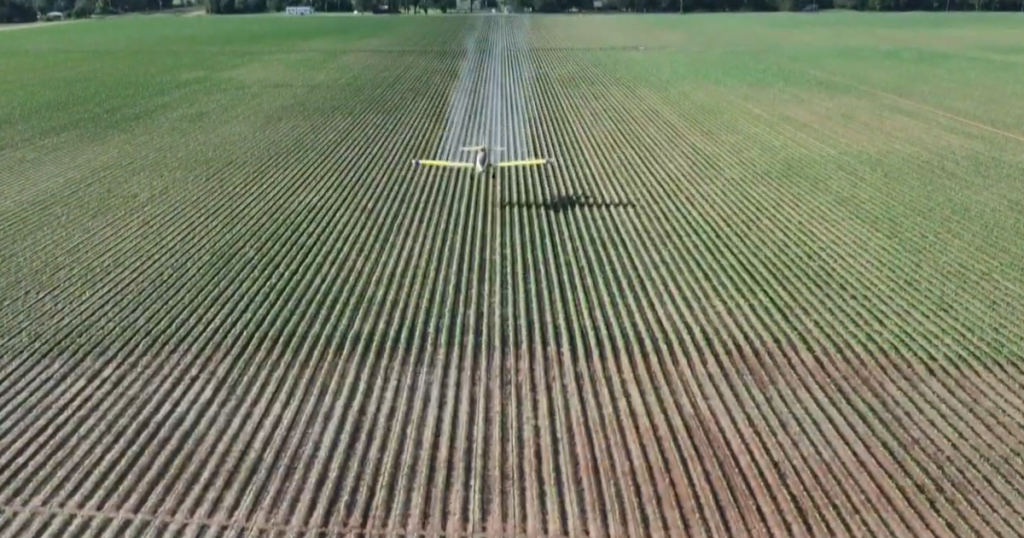
Wertynews.com – As tensions in the Iran war escalate, Louisiana farmers are finding themselves caught in a financial crossfire, with high energy costs becoming a critical challenge. The state, known for its vast agricultural output, is now facing unprecedented pressure due to the global energy market’s volatility. For many, the rising prices of fuel and energy resources have transformed the farming industry into a relentless battle for survival. Reed Keahey, a pilot service operator in northeast Louisiana, recently highlighted how the cost of Jet-A fuel—essential for powering agricultural machinery and transportation—has skyrocketed since the conflict began, forcing him to rethink his operational strategies.
Escalating Fuel Prices and Their Ripple Effect
Fuel prices have seen a dramatic surge, climbing from $2.46 per gallon in February to $4.11 in mid-May, and now hovering around $3.18. This fluctuation has directly impacted farmers who rely on diesel and gasoline for daily operations. Keahey, who purchases 7,500 gallons at a time, explained that a single batch now costs over $30,000, a figure that has significantly strained his budget. “The high energy costs from Iran are making it harder to keep the lights on and the machinery running,” he said, emphasizing the urgency of finding cost-saving measures.
These high energy costs from Iran have not only affected fuel prices but also disrupted supply chains for essential agricultural inputs. For instance, the closure of the Strait of Hormuz, a key shipping route through the Persian Gulf, has led to increased transportation costs for fertilizers and other goods. David Guererro, a corn farmer from the region, noted that urea, a vital nitrogen-based fertilizer, has become more expensive due to these disruptions. “It’s close, it’s real close,” Guererro said, describing how the financial strain threatens his family’s ability to sustain their farm.
Broad Economic Implications for Rural Communities
The effects of the high energy costs from Iran extend beyond individual farms, creating a domino effect across Louisiana’s rural economy. Rising energy prices have forced farmers to cut back on expenses, often at the expense of labor and equipment. According to the American Farm Bureau Federation, U.S. farm bankruptcies rose by 46% in 2023 compared to the previous year, underscoring the widespread impact of the energy crisis. Many small-scale operations, already struggling with low crop prices and limited access to credit, are now facing a double blow from inflation and increased operational costs.
Amid these challenges, Louisiana farmers are adapting. Some are exploring alternative energy sources, such as biodiesel or solar-powered irrigation systems, to reduce dependency on traditional fuels. Others are shifting focus to high-value crops that may be less affected by energy price swings. However, these strategies require significant upfront investment, which many are hesitant to make. “Right now, it’s a game of survival,” said Keahey, adding that the unpredictability of energy prices makes long-term planning nearly impossible.
Experts warn that the high energy costs from Iran could have lasting consequences for the state’s agricultural sector. With energy prices expected to remain volatile, farmers may need to advocate for subsidies or tax breaks to offset the rising costs. Additionally, the broader economic implications of the Iran war—such as potential trade restrictions and geopolitical instability—could further complicate Louisiana’s position in the global market. For now, the farmers are holding on, hoping that the storm will eventually pass and their businesses can recover.