
U.S. Citizen in Congo’s Humanitarian Work Contracts Ebola
Wertynews.com – The Centers for Disease Control and Prevention (CDC) has confirmed that a U.S. citizen working for a humanitarian organization in the Democratic Republic of Congo has tested positive for the Ebola virus. This development marks a significant moment in the ongoing battle against the outbreak, which has already claimed hundreds of lives and spread to neighboring Uganda. The individual, who was employed by a group dedicated to providing aid and medical support in the region, is now under quarantine as authorities work to identify and monitor potential contacts.
Global Response to the Outbreak
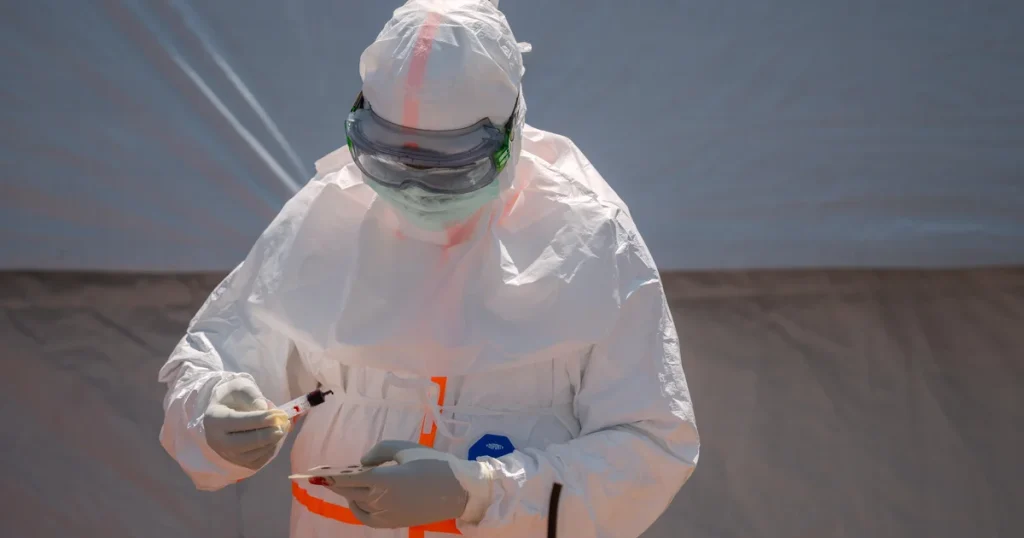
The CDC, in collaboration with international health bodies and local Congolese officials, has launched a multi-pronged strategy to contain the virus. This includes deploying medical teams, enhancing surveillance systems, and distributing protective equipment to frontline workers. The U.S. citizen’s case has drawn attention to the critical role that humanitarian efforts play in managing public health crises, especially in areas with limited resources. While the CDC has not yet released detailed information about the individual’s symptoms or the exact location of infection, the incident underscores the risks faced by those working on the ground to combat the disease.
“This case highlights the challenges we face in protecting our personnel and the communities they serve,” said a CDC spokesperson in a statement to CBS News. “We are working closely with the Congolese government and the humanitarian organization to ensure rapid response and prevent further spread.”
Humanitarian organizations in the DRC have been instrumental in providing healthcare services, conducting outreach, and educating local populations about Ebola prevention. However, the virus’s ability to spread rapidly has tested their capacity, especially in regions with ongoing conflict and weak infrastructure. The U.S. citizen’s infection, while isolated, serves as a reminder of the interconnectedness of global health efforts and the potential for outbreaks to impact even those not directly in high-risk zones.
Spread and Impact of the Outbreak
As of the latest reports, the DRC’s Ebola outbreak has surpassed previous records, with over 1,800 confirmed cases and 648 deaths. This strain, known as Bundibugyo, has been particularly aggressive, causing severe symptoms and proving difficult to control. The virus’s spread to Uganda has added urgency to regional cooperation, prompting a coordinated response between multiple countries. The U.S. citizen’s case, though not the first in the region, has raised concerns about the safety of aid workers and the need for stronger containment protocols.
Earlier this month, the first reported case of the outbreak was identified as an American doctor who had been working in the DRC. After receiving treatment in Germany, he recovered and returned to the United States in June. His case was notable because it brought international focus to the DRC’s situation and highlighted the importance of early detection. Since then, the virus has continued to spread, affecting both urban and rural areas and prompting calls for increased funding and support for on-the-ground operations.
“Our humanitarian workers are often the first line of defense in these outbreaks,” emphasized a representative from the aid organization. “This case is a testament to the risks they take to save lives and the importance of global solidarity in such moments.”
With the U.S. citizen’s case now confirmed, the focus has shifted to how the humanitarian organization will adapt its strategies to mitigate further infections. The CDC has advised close monitoring of the individual’s condition and has initiated contact tracing with the aid group’s teams. This incident also serves as a catalyst for discussions on improving safety measures for international staff, ensuring that they have access to proper training and equipment while operating in high-risk environments.