
Trump Border Czar Advocates for Body Cameras After ICE Shootings
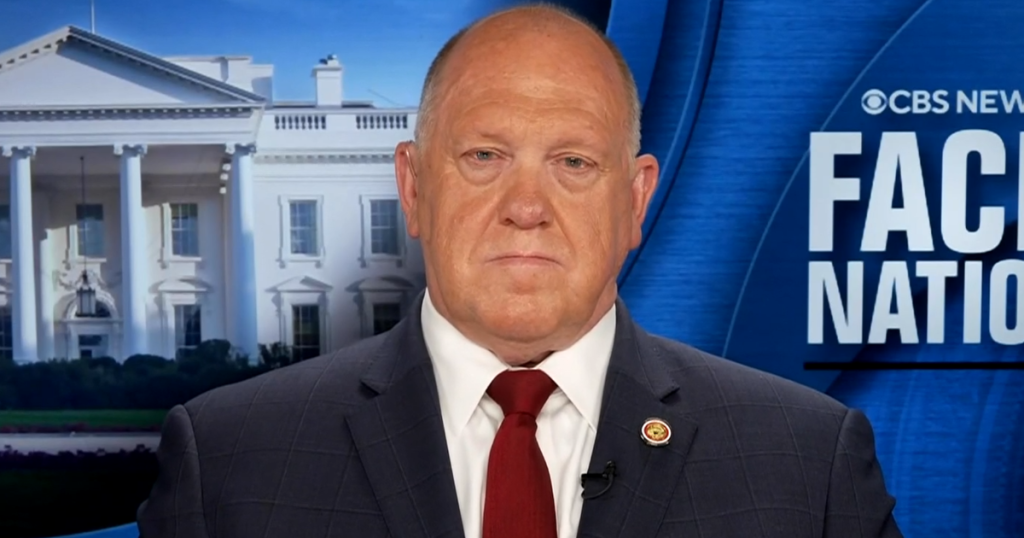
Wertynews.com – Following the fatal shootings of two individuals by U.S. immigration officers in Texas and Maine earlier this month, White House border czar Tom Homan reiterated his stance that body cameras are essential for transparency. During an appearance on “Face the Nation with Margaret Brennan,” Homan emphasized that the technology allows the public to witness the actions of officers in real-time, addressing concerns raised by recent incidents. “I think body cameras are the way to go,” he stated, underscoring their role in fostering trust and accountability within the agency.
Incident Details and Public Reaction
On July 7, an Immigration and Customs Enforcement (ICE) officer in Houston shot and killed a Mexican national who had lived in the United States for over three decades. Just days later, a similar tragedy occurred in Biddeford, Maine, where an ICE officer fatally wounded a Colombian man. In both cases, the officers involved did not have their body cameras activated, sparking widespread debate about the effectiveness of the technology in capturing critical moments. The incidents have intensified calls for stricter oversight, with critics arguing that the absence of camera footage has fueled accusations of excessive force.
“I think it’s important for the public to see what that officer sees and hears,” Homan said during the interview. He stressed that body cameras provide an unfiltered perspective, which is crucial in resolving disputes and clarifying the circumstances of each event.
Previous Support and Deployment Progress
Homan has long advocated for the integration of body cameras into ICE operations. Last week, the Department of Homeland Security (DHS) announced that all ICE arrest teams will now be equipped with at least one officer wearing a camera. This follows the gradual rollout of body cameras to more than half of the agency’s field offices, with the remaining locations projected to receive them within the next 60 days. The policy change was a direct response to public demand for greater transparency, particularly after the recent shootings.
His push for cameras was part of a broader negotiation during a DHS funding shutdown earlier this year. Senate Democrats initially withheld support for the administration’s budget to secure reforms, including increased oversight of ICE’s enforcement practices. However, the Trump administration demonstrated flexibility, agreeing to expand camera use even as the funding debate reached a stalemate. Homan noted that the $20 million allocated in April has been used to purchase the devices, though he admitted the funds were insufficient for full implementation.
Training Challenges and Implementation Delays
Despite the purchase of body cameras, Homan highlighted the challenges of training officers and their supervisors to use the technology effectively. “I think the process is moving forward, but there’s still a lot of work to be done,” he said, acknowledging the need for standardized protocols to ensure consistency in recording and reviewing incidents. The delay in full deployment, he argued, was due in part to the government shutdown caused by Democratic lawmakers, which disrupted the timeline for acquiring and distributing the equipment.
Public scrutiny has grown as the incidents unfolded, prompting Homan to defend the agency’s actions while advocating for improvements. He mentioned that ICE has already taken steps to enhance safety, such as temporarily halting vehicle stops, a move that was later reversed by President Trump. “I think these measures are necessary to address concerns, but they must be balanced with operational needs,” Homan noted, emphasizing the complexity of reforming a high-profile agency amid political pressure.
As the debate continues, Homan’s comments reflect a growing emphasis on accountability within the Trump administration. The border czar’s repeated use of the phrase “I think body cameras are the way to go” underscores the technology’s perceived importance in shaping public perception of ICE’s actions. With more cameras in use, the hope is that they will serve as a tool for transparency, helping to distinguish between justified force and incidents of excessive use. The implementation of this policy will likely remain a focal point in discussions about immigration enforcement in the coming months.