
Live Updates: Trump Calls Iran’s Negotiation Delay ‘Too Long’ as War Reignites
Wertynews.com – Live Updates: Trump says Iran took “too long” to negotiate, will “pay the price” as war appears to reignite. On Wednesday, tensions escalated as a distress signal was reported from a tanker near the eastern entrance of the Strait of Hormuz, off Oman’s coast. According to British maritime security firm Vanguard Tech, the vessel claimed it had been struck by a missile, igniting a fire in its engine room. This incident occurred just days after a fragile U.S.-Iran ceasefire was broken by an exchange of fire on Tuesday, raising fears of renewed hostilities in the region.
Trump’s Remarks on Iran’s Diplomatic Stance
President Donald Trump intensified his criticism of Iran on Wednesday, accusing the country of procrastinating during negotiations. In a statement, he emphasized that Iran had “taken too long” to reach a deal, asserting that the nation would “pay the price” for its delay. This comment followed the downing of a U.S. Army Apache helicopter near the Strait of Hormuz on Monday, which prompted a swift series of retaliatory strikes by the American military. The attack, which damaged the helicopter, is seen as a pivotal moment in the escalating conflict.
“Iran is all talk and no action. The Bully of the Middle East is DEAD!!! They’ve taken too long to negotiate a deal that would have been great for them, now they will have to pay the price!!!”
Iran’s Response to U.S. Actions
Iran’s Foreign Ministry swiftly responded to the U.S. strikes, accusing Washington of violating the ceasefire agreement. Esmail Baqaei, a spokesperson and member of Iran’s negotiating team, stated that the country’s officials would reassess their diplomatic position in light of the attacks. The ministry’s comments highlighted Iran’s frustration with the U.S. approach, which it viewed as a threat to its strategic interests in the region. Meanwhile, analysts suggested that Iran’s delayed negotiations may have been a deliberate tactic to gain leverage before the conflict resumed.
Regional Impact and Military Escalation
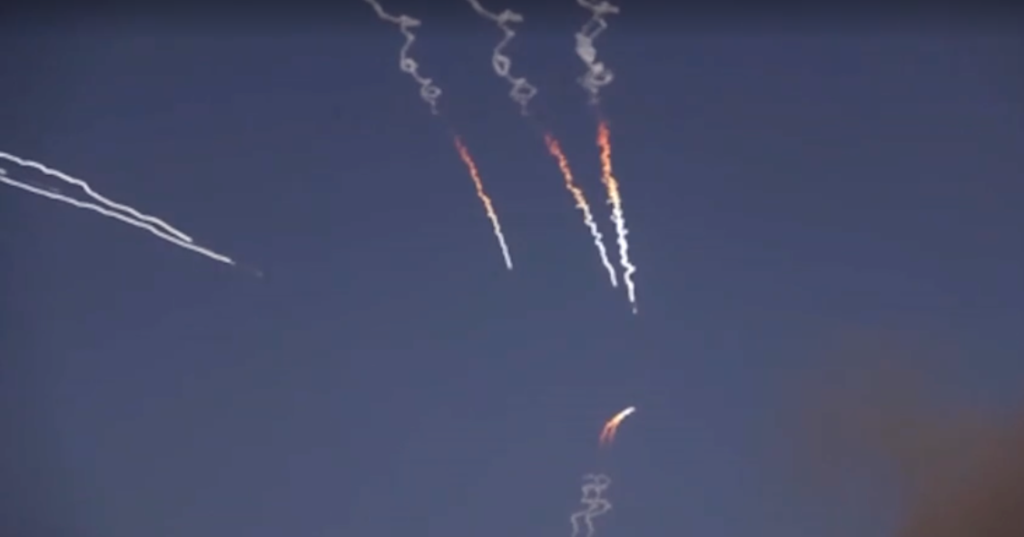
The recent attacks have deepened the divide between Iran and the United States, with both sides accusing each other of escalating tensions. In addition to the missile strike on the tanker, Iran launched drone attacks on U.S. military bases in Bahrain and Kuwait, targeting key installations of the U.S. Fifth Fleet. These strikes, conducted on Wednesday morning, were intercepted by local defense systems, though they raised concerns about the vulnerability of U.S. assets in the region. The actions underscore Iran’s strategy of using both kinetic and diplomatic pressure to challenge American influence.
U.S. Retaliatory Strikes and Strategic Targets
Following the Apache helicopter incident, the U.S. military executed nearly 20 strikes on Iranian military targets, focusing on critical infrastructure such as air defenses, radar systems, and ground control stations. These attacks, confirmed by U.S. Central Command, were part of a broader effort to disrupt Iran’s operational capabilities. The strikes occurred hours after Iran’s drone assaults, creating a cycle of retaliation that has intensified the conflict. Analysts noted that the U.S. aimed to send a clear message that Iran’s continued resistance would incur significant consequences.
“Live Updates: Trump says Iran took too long to negotiate, will pay the price. The U.S. military’s recent strikes on Iranian targets signal a shift toward more aggressive measures, as diplomatic efforts appear to be stalled.”
Global Reactions and Diplomatic Concerns
International observers expressed alarm over the renewed conflict, with some warning of a potential wider war in the Middle East. Allies such as Saudi Arabia and Israel praised the U.S. response, viewing it as necessary to deter Iranian aggression. However, European nations urged caution, emphasizing the need for diplomatic solutions to avoid further destabilization. The situation has also prompted discussions about the effectiveness of the JCPOA nuclear deal, with critics arguing that Iran’s delay in negotiations has weakened its credibility on the global stage.
Meanwhile, the incident near Oman has drawn attention to the strategic importance of the Strait of Hormuz, a vital chokepoint for global oil shipments. The missile strike on the tanker, though not confirmed as a direct attack on U.S. assets, highlights the growing risks of conflict in this critical region. As the standoff continues, the focus keyword “Live Updates: Trump says Iran took” remains central to the narrative, reflecting the administration’s stance on Iran’s diplomatic approach and its readiness to take military action.
Looking Ahead: Diplomacy or Continued Conflict?
With the situation heating up, questions linger about whether the U.S. and Iran will pursue a diplomatic resolution or continue on a path of military confrontation. Trump’s public statements suggest a preference for military deterrence, which could pressure Iran into faster negotiations. However, the effectiveness of such tactics remains uncertain, as Iran has shown resilience in the face of attacks. The coming days will be crucial in determining whether the conflict spirals into a full-scale war or if both sides can find common ground to de-escalate tensions.