
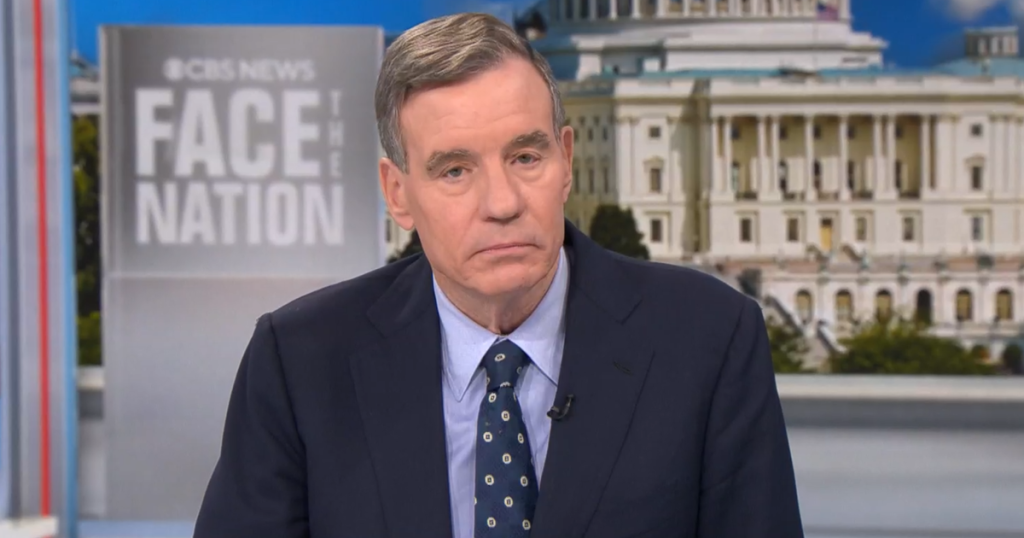
Transcript: Mark Warner on Face the Nation, July 19, 2026
Wertynews.com – Here is the transcript from the July 19, 2026, episode of Face the Nation, featuring U.S. Senator Mark Warner, a Virginia Democrat and member of the Senate Intelligence Committee. The interview delves into key issues surrounding the ongoing conflict, including strategic decisions, military technology costs, and the role of intelligence leadership. Warner’s insights, as captured in this transcript, highlight critical concerns about the U.S. approach to global security and its economic ramifications.
Recent Attack in Jordan and Strategic Oversight
Senator Warner opened the discussion by addressing the recent attack at a U.S. military base in Jordan, which he described as a significant escalation in the region’s tensions. The incident, the second of its kind in a short period, raised questions about the effectiveness of current strategies. Brennan pressed Warner on whether the breach of American defenses indicated a lack of preparedness or a flawed plan for the broader conflict.
“The attack in Jordan underscores the vulnerabilities in our defense posture. We’ve seen two breaches in quick succession, and that’s a clear sign we need a more robust strategy. The absence of a comprehensive plan has led to repeated setbacks, even as the situation grows more complex. I’m not saying this was a deliberate mistake, but the lack of clarity has allowed adversaries to exploit our weaknesses.”
Cost Efficiency in Military Technology
Brennan brought up the stark contrast in military technology costs, referencing the recent use of expensive U.S. missiles versus the affordability of Iranian drones. Warner used this as a point to critique the inefficiency of current tactics. He noted that while Ukraine has demonstrated success with cheaper systems, the U.S. has hesitated to adopt them, leading to higher expenses and strategic disadvantages.
“The cost of our missiles is staggering—over two million dollars each—compared to Iranian drones, which cost just fifty thousand. This gap in efficiency is not just a financial issue; it’s a strategic one. Ukraine’s ability to neutralize these threats with systems under $5,000 shows a model we should be following. Yet, we declined their offer, and now the consequences are evident in rising fuel prices and stretched budgets.”
Intelligence Leadership and Political Dynamics
The conversation shifted to the role of the Director of National Intelligence, Jay Clayton, who also served as the U.S. Attorney for the Southern District of New York. Brennan pointed out Warner’s familiarity with Clayton from his time at the SEC, but noted concerns about his recent performance. Warner emphasized the importance of intelligence oversight, particularly in light of the attack and its implications for national security.
“Jay Clayton has been a key figure in intelligence, but his recent actions have raised eyebrows. His apparent lack of awareness about Tulsi Gabbard’s activities in Georgia highlights a disconnect between the intelligence community and frontline operations. This transcript reveals how critical it is for leaders to stay informed, especially when decisions are being made that affect global stability.”
Committee Vote and Leadership Concerns
When asked about his stance on voting Clayton out of the intelligence committee, Warner expressed his intent to oppose his nomination. He argued that Clayton’s leadership, while competent in some areas, has shown gaps in understanding the evolving threat landscape. Warner also critiqued Bill Pulte, the acting DNI, for his perceived alignment with the Trump administration and lack of experience in managing the committee’s responsibilities.
“I will be voting against Jay Clayton. While he might secure a seat with Republican backing, I believe the Senate should recognize the leader who has consistently delivered reliable intelligence. Bill Pulte, on the other hand, represents a growing risk. His inexperience and ideological leanings could compromise our strategic objectives, especially in securing vital regions like the Strait of Hormuz.”
Broader Implications for U.S. Policy
Warner concluded the interview by linking the current conflicts to long-term policy implications. He stressed the need for a unified strategy across military, economic, and diplomatic fronts, arguing that the transcript of this interview reflects a turning point in how the U.S. approaches its global engagements. Warner also called for increased transparency and accountability in intelligence operations to prevent future missteps.
“This transcript isn’t just about the immediate crisis—it’s about the direction we’re taking as a nation. We need to ensure our leaders are not only strategic but also adaptable. The attack in Jordan, the cost of drones, and the leadership dynamics all point to a broader conversation about how we allocate resources and respond to threats in an increasingly complex world.”