
A promising trial offers new hope for people living with extreme sun sensitivity
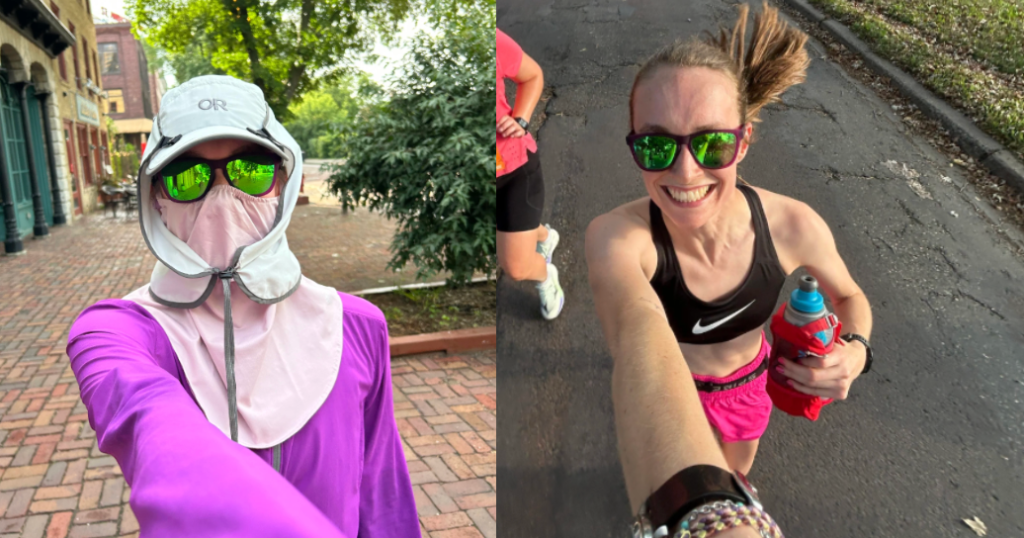
Wertynews.com – For much of her life, Minneapolis resident Emily Pearson treated ordinary daylight as a threat. Even a few minutes outside could trigger an intense reaction in her hands and feet, turning routine errands, family trips and athletic ambitions into careful calculations.
Pearson’s symptoms began when she was 8 years old. Time in the sun brought burning pain to her extremities, which she described as feeling as though they were in an oven while being pricked by needles. A brief exposure could leave her suffering for several days.
“It was just insufferable pain. I would never wish that pain upon anyone, because it’s so horrible,”
For years, her family did not know what was causing the attacks. Sunscreen offered no protection. Pearson relied on covered clothing and spent as much time indoors as possible, while outings to her family’s Minnesota cabin required particular caution. If she remained in direct sun too long, her face, hands and feet could be affected.
A diagnosis after years of uncertainty
At age 17, Pearson received an answer from a physician at Mayo Clinic in Rochester, Minnesota: erythropoietic protoporphyria, or EPP. The rare disorder causes severe reactions to sunlight and is sometimes described as a sun allergy.
The diagnosis relieved the uncertainty, but it did not immediately create an easy path forward. Everyday activities such as getting fuel, grocery shopping, riding in a car or working outdoors could require advance planning and could still bring painful consequences.
“Going to the grocery store, going to get gas, going for any kind of car ride or working outside, you constantly have to think about what you’re doing and how it’s going to affect your health, and dealing with those consequences after,”
“It was really hard, and it was really, really stressful. It was a big mental load, and it was never-ending.”
Now 25, Pearson had also learned to adapt her love of exercise around the condition. She competed in swimming for 12 years before taking up half-marathon running after high school. Running often meant wearing layers or choosing darkness, sunrise or sunset rather than daylight. She had long hoped to complete a marathon, but believed EPP made that goal unattainable.
During college, even several hours outdoors without protective gear for social activities could lead to severe pain later. Her experience reflects the broader burden of a condition in which avoiding light can shape work, travel, recreation and daily independence.
How bitopertin is intended to work
A possible change came in 2025, when Pearson volunteered at Sun Escape, a weekend camp for children with EPP and related conditions. There she heard about a clinical trial involving bitopertin, an experimental medication being studied for people with EPP.
She was interested, but hesitant about joining.
“I was very wary of it, like, ‘Does it really work? I know it works for other people, but will it work for me?’”
“There was that anxiety of the unknown.”
Dr. Sioban Keel, a porphyria specialist at the University of Washington involved in the clinical trial, explained that bitopertin targets protoporphyrin IX. This naturally occurring molecule in the skin is activated by sunlight. In people with EPP and similar disorders, genetic mutations lead the body to produce too much protoporphyrin IX, contributing to painful sun-triggered reactions.
Bitopertin is taken once a day and is designed to reduce the amount of protoporphyrin IX. Lowering those levels may improve a patient’s ability to tolerate sunlight, though clinical testing is needed to establish a medicine’s effectiveness and safety.
Early results and a growing tolerance for daylight
Pearson enrolled in the second phase of the bitopertin trial and began taking the medication regularly in July 2025. She traveled for regular appointments with physicians in Boston, where her response to treatment was monitored.
Within weeks, she began doing “really, really well,” Pearson said, and noticed that she could tolerate more sun exposure than before.
Phase 2 trials can involve up to several hundred participants and may continue for months or years. They assess both effectiveness and possible side effects. In the United States, drug development generally proceeds through four clinical-trial phases before the Food and Drug Administration reviews the evidence and decides whether a treatment should be approved for wider use.
Keel did not treat Pearson, but said she has heard comparable experiences from other people participating in the study.
“The impact I’ve seen it have on my patients has been a game changer. Patients that previously could never go out in the sun are able to go out in the sun … You’re like, ‘I can’t believe I’m hearing this,’”
Clinical trial data released by Disc Medicine in April stated that bitopertin significantly reduced protoporphyrin IX levels and improved measures of sunlight tolerance among EPP patients, with no notable safety concerns reported in that release.
For patients whose lives have been organized around avoiding daylight, the potential implications extend beyond symptom relief. Greater sunlight tolerance could mean more flexibility to exercise, travel, work outdoors, spend time with family and take part in ordinary activities without the same constant fear of a painful reaction. For Pearson, the trial has opened the possibility that goals once considered unrealistic, including running a marathon, may no longer be out of reach.
Related Reading
Frequently Asked Questions
What is Sun exposure left a woman in insufferable?
Sun exposure left a woman in insufferable is the main topic of this guide. The article explains the context, practical details, and next steps readers should understand.
Why does Sun exposure left a woman in insufferable matter?
Sun exposure left a woman in insufferable matters because readers are looking for a useful answer, not just a short summary. Good content should match search intent and help them decide what to do next.