
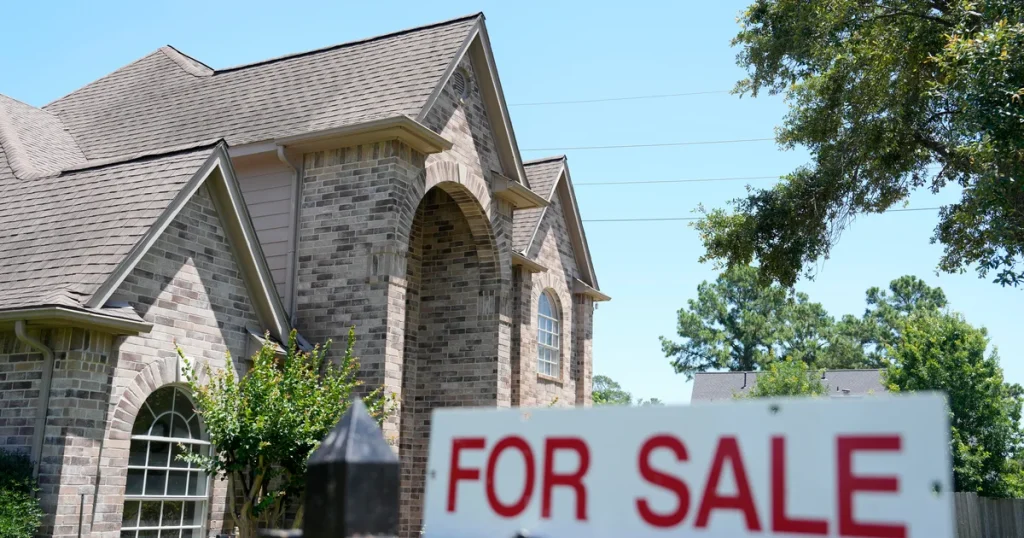
Foreclosure Filings Rise 21% This Year: States with the Greatest Increases
Wertynews.com – Foreclosure filings surged 21% this year, reflecting a deepening financial strain on homeowners across the United States. According to a recent report by ATTOM Data Solutions, the number of foreclosure-related notices in the first half of 2026 reached nearly 228,000, marking a significant jump from the previous year. This trend has raised concerns among real estate experts and economists, as it highlights the growing vulnerability of households in the wake of economic challenges.
Regional Disparities: States with the Most Rapid Foreclosure Increases
The surge in foreclosures is not evenly distributed, with some regions experiencing more dramatic spikes than others. Idaho, Colorado, and Georgia have emerged as the top three states with the highest year-over-year increases, rising by 59%, 57%, and 52%, respectively. These numbers suggest that local economies and housing markets are struggling to absorb the financial shocks affecting homeowners. Other states, such as California and Arizona, also showed notable growth, though at a slower rate, indicating a regional pattern of increasing housing insecurity.
“The sharp increase in foreclosure filings is a clear sign that more homeowners are facing overwhelming financial pressure,” said Rob Barber, CEO of ATTOM Data Solutions. “This is not just a temporary dip but a sustained trend that could have long-term consequences for the housing market.”
The rise in filings has been driven by factors such as job losses, rising interest rates, and the lingering effects of inflation. Many homeowners are finding it increasingly difficult to keep up with mortgage payments, particularly in states with high housing costs. Additionally, the economic uncertainty created by the pandemic has left some families with lingering debt and reduced financial resilience, exacerbating the situation.
Florida: Still the Foreclosure Capital of the Nation
While other states are seeing notable increases, Florida continues to lead in overall foreclosure rates. In June alone, one in every 2,106 housing units was involved in a foreclosure filing, according to ATTOM’s latest data. This persistent rate underscores the state’s ongoing struggle with housing affordability and economic pressures. Despite the rise, Florida’s numbers remain higher than those of any other state, partly due to its large population and significant housing market fluctuations.
“The return to pre-pandemic foreclosure levels is alarming,” noted Barber. “It suggests that homeowners are facing similar or worse financial strain now compared to the beginning of 2020.”
The pandemic initially slowed foreclosures as government assistance programs helped homeowners avoid defaulting on mortgages. However, as economic conditions have deteriorated, particularly in 2025 and 2026, the numbers have rebounded. This resurgence has been attributed to factors such as rising unemployment, stagnant wages, and the impact of inflation on everyday expenses, which have collectively eroded homeowners’ financial stability.
Short Sales as a Barometer of Financial Strain
New data from Realtor.com further highlights the growing financial strain on homeowners, showing a 16% increase in short sales during the first quarter of 2026. Short sales occur when homeowners sell their properties for less than the outstanding mortgage balance to avoid foreclosure, signaling a deeper crisis for some families. This trend is particularly evident in states where the housing market has become more volatile, with sellers forced to accept lower prices to meet mortgage obligations.
The surge in short sales reflects a broader shift in the housing market, as buyers and sellers adjust to higher interest rates and reduced demand. Homeowners in states with the highest foreclosure rates, such as Idaho and Colorado, are increasingly opting for short sales to mitigate losses. These sales