
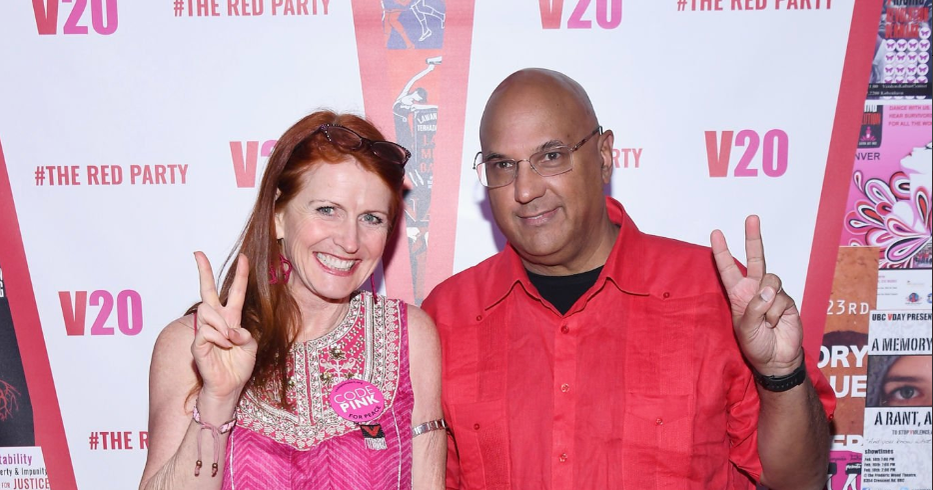
Husband of Code Pink Founder Under Investigation for Foreign Agent and Tax Violations
Wertynews.com – Neville Roy Singham, the husband of Code Pink co-founder Jodie Evans, is currently under federal scrutiny for alleged violations of the Foreign Agents Registration Act and tax laws, according to recent reports. The probe, led by the Southern District of New York, has uncovered potential misuses of nonprofit funds and discrepancies in Singham’s tax filings, raising questions about his financial influence on the anti-war organization he supports. While no formal charges have been filed yet, the investigation has gained momentum following leaks to major news outlets, signaling a broader focus on the intersection of political advocacy and financial transparency.
Background on Neville Roy Singham’s Involvement
Singham, a prominent figure in the U.S. tech industry, founded Thoughtworks, a global IT consulting firm that grew into a multi-billion-dollar enterprise. In 2017, he sold the company to a private equity group for $785 million, allowing him to redirect significant capital toward various political causes. His financial contributions to the left-leaning People’s Forum, a New York-based nonprofit championing workers’ rights and social equity, have drawn attention. Around the time he shifted his business operations to Shanghai, China, Singham began funneling substantial resources into a network of organizations, including Code Pink, suggesting a strategic alignment with progressive movements.
“Singham’s financial support for Code Pink appears to have played a critical role in its operational stability,”
noted an unnamed source in a recent intelligence briefing. This support, however, has sparked controversy, as some reports indicate he may have used shell companies and complex financial structures to manage funds, potentially obscuring the organization’s ties to his personal interests. Critics argue that such practices could blur the lines between grassroots activism and corporate influence, especially given Code Pink’s shift in stance on China’s human rights record.
Charges and Legal Context
The investigation into Singham centers on two primary allegations: breach of the Foreign Agents Registration Act and misreporting of tax obligations. The former requires individuals acting as foreign agents to disclose their activities, while the latter scrutinizes whether he intentionally misrepresented the sources of income or expenses. These charges come amid heightened political tensions between the U.S. and China, with the Trump administration aggressively targeting groups perceived as sympathetic to Beijing’s policies. For instance, earlier this year, the Department of Justice indicted the Southern Poverty Law Center for alleged donor misrepresentation, framing it as a case of foreign interference in American politics.
Singham’s case also highlights the role of private funding in shaping public policy. As a major donor to the People’s Forum, he has supported initiatives aimed at empowering marginalized communities. However, the current probe suggests that his financial contributions might have extended beyond mere philanthropy, potentially influencing the messaging and operations of the organizations he backs. Republican lawmakers have expressed concern, with House Ways and Means Committee chairman Jason Smith citing “evidence of covert coordination” between Singham’s nonprofits and Chinese government interests. This has led to demands for transparency, including the release of financial records and communication logs.
Broader Implications for Political Organizations
The legal scrutiny of Singham reflects a larger trend of examining the financial practices of progressive groups. As the Trump administration seeks to curb perceived foreign influence, organizations with ties to international entities face increased pressure to demonstrate independence. For example, the case of Reid Hoffman, LinkedIn founder and a key figure in a Chicago-based nonprofit, underscores how legal actions can target both individuals and institutions for their alignment with certain political narratives. Similarly, Code Pink’s recent defense of China against accusations of genocide has drawn criticism, with some arguing that its ideological shift could be attributed to private financial backing.
Experts suggest that the investigation may also be a test of how federal authorities handle cases involving high-profile donors and political lobbying. “The key issue here is whether these financial contributions were used to advance specific foreign policy goals, potentially at the expense of transparency,” said a legal analyst. The findings could have significant implications for the nonprofit sector, encouraging stricter compliance measures and greater public accountability. Meanwhile, the broader debate over foreign influence in domestic politics continues, with critics accusing the administration of using legal tools to target progressive voices.
Federal Probes and the Role of the Trump Administration
As part of its strategy to counter progressive influence, the Trump administration has launched multiple investigations targeting organizations with foreign connections. The current probe into Neville Roy Singham’s activities is part of this effort, which includes scrutinizing the financial dealings of groups like Code Pink. In a March 2021 report, the intelligence community concluded that China did not interfere in the U.S. election, but the administration has since used this finding to justify its focus on foreign agents and tax compliance. “We’re looking to ensure that American organizations are not being used as fronts for foreign interests,” said a senior official during a press briefing.
The investigation has also sparked discussions about the balance between political activism and financial responsibility. While Singham’s support for Code Pink has been vital in sustaining its operations, the use of shell companies and opaque funding mechanisms raises concerns about the organization’s independence. Critics argue that such tactics could undermine public trust, especially when the group’s positions on global issues appear to shift based on financial incentives. The case serves as a reminder of the need for rigorous oversight, particularly in an era where the lines between advocacy and influence are increasingly blurred.