
Internal Tensions Over Munitions Depletion
Wertynews.com – Internal friction has emerged within the Trump administration as American forces burn through critical missile supplies during escalating hostilities with Iran. Military and intelligence sources indicate that this swift consumption of high-tech weaponry is sparking anxiety among top officials. Beyond the immediate theater, leaders worry about whether current reserves can support a simultaneous confrontation in the Indo-Pacific region against Beijing.
Experts note that domestic manufacturing capabilities struggle to keep pace with the rate of deployment. Central Command oversees operations while inventories shrink under continuous strain. Allies like Kuwait and Bahrain are feeling the heat from relentless Iranian attacks. A regional partner highlighted the necessity for a temporary halt in combat due to the severity of strikes hitting power and water facilities.
Preserving Readiness for the Indo-Pacific
Despite these pressures, Defense Secretary Pete Hegseth remained optimistic during a recent television appearance. He acknowledged that production timelines vary by weapon type but emphasized overall abundance.
“We’ve got lots of them, we’re building more than ever before.”
“Our stockpiles are strong, and they will only get stronger in the future,” Hegseth said.
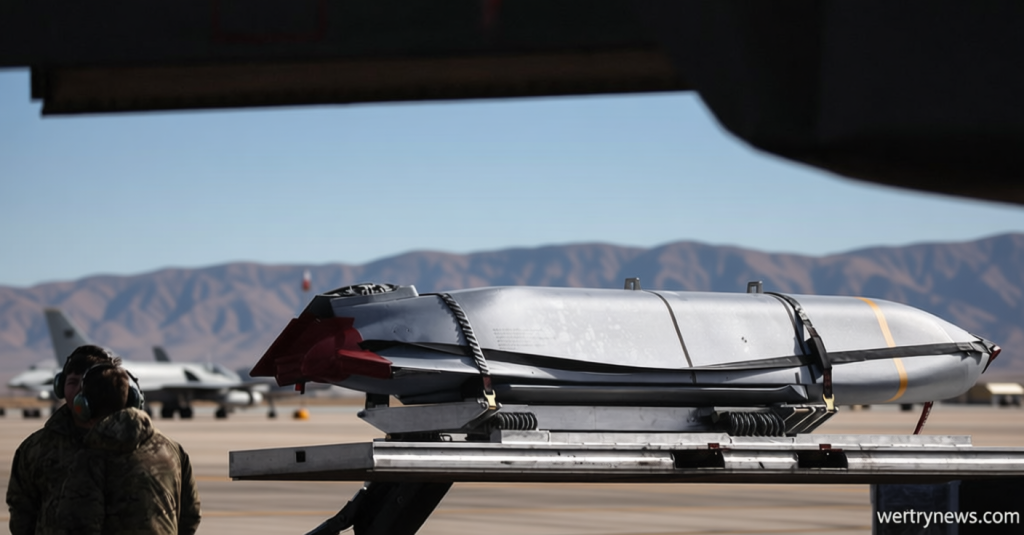
To conserve expensive long-range assets, commanders are prioritizing JDAM-equipped bombs and smaller glide munitions. Previously, heavy reliance was placed on JASSM and Tomahawk cruise missiles, which are now being deployed more selectively. Admiral Samuel Paparo, who leads the Indo-Pacific Command, warned Congress in April that ramping up production of premium systems might require significant time.
“I think it will take one to two years for them to scale,” said Paparo.
“It won’t be soon enough. There are finite limits to the magazine, and I have all the faith in the world that they’re being employed judiciously.”
Strategic Adjustments and Inventory Concerns
After the recent truce ended, American aircraft have targeted areas nearer to Iranian shores. This strategy minimizes exposure to dense anti-aircraft defenses located deeper inland. Supplies of ATACMS rockets, launched from HIMARS vehicles, remain tight. This mirrors concerns during the Biden era when aid to Ukraine was paused to preserve U.S. readiness.
Conversely, GMLRS stocks appear more robust, offering tactical flexibility for commanders operating within specific ranges. While the defense industrial base works to expand production lines, the balance between sustaining current operations and preparing for future threats remains a delicate challenge for Washington.