
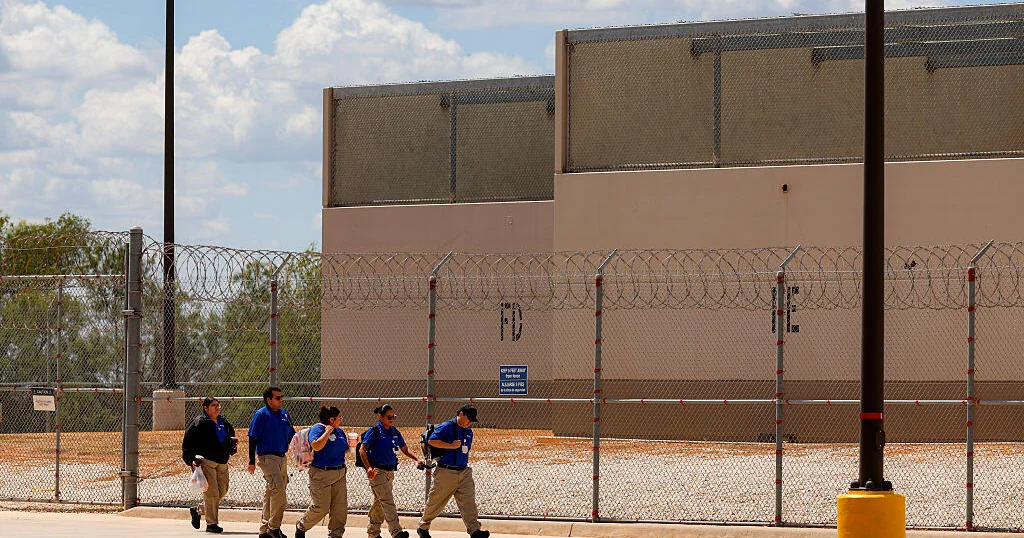
Supreme Court Takes Up Challenge to Trump Administration’s Immigration Detention Policy
Wertynews.com – The Supreme Court will review whether the Trump administration may keep tens of thousands of immigrants in custody throughout deportation proceedings without giving them a chance to seek release on bond. The dispute places a far-reaching federal detention policy before the nation’s highest court and could determine how immigration authorities handle people accused of being in the country illegally.
The case concerns a mandatory detention approach adopted by Immigration and Customs Enforcement, or ICE. Under that policy, immigrants facing removal can be denied bond hearings even if they entered the United States years earlier and have no criminal record. Immigration authorities retain the option to grant parole for humanitarian reasons or when doing so serves the public interest, but parole is different from a hearing before an immigration judge.
A Major Divide in the Federal Courts
Federal appeals courts have reached sharply different conclusions about whether the policy complies with immigration law. Two appellate courts have permitted mandatory detention without bond for noncitizens in these circumstances. Nine others have concluded that the administration must either offer certain immigrants bond hearings or allow them to remain free while their removal cases continue.
Hundreds of federal district judges have also rejected the administration’s position. Their decisions matter well beyond the individual lawsuits, because immigration detention challenges have been filed in courts nationwide. A definitive Supreme Court ruling could establish a single rule for immigration judges, ICE officers, detainees and federal courts across the country.
For many years, immigrants who had lived in the United States without legal status could generally request a bond hearing during removal proceedings. At such a hearing, the person could argue that they were unlikely to flee and did not pose a reason to remain detained. An immigration judge could then decide whether release was appropriate while the deportation case moved forward.
ICE changed its interpretation of the detention rules last year. The agency said that people subject to removal because they are in the country illegally are not eligible for bond release, regardless of how long they have lived in the United States. Previously, mandatory detention was generally applied to narrower groups, including some people convicted of specified crimes and people who had crossed the border illegally more recently.
What Is at Stake for Detainees
The practical consequences can be severe. Under the current policy, people who entered the country unlawfully long ago may remain in immigration custody for an open-ended period while their cases are pending. That can include immigrants with no criminal convictions whose alleged violations are civil immigration matters.
Removal proceedings can involve hearings, appeals and other legal steps, meaning the length of detention may become a central issue for both detainees and their families. The Supreme Court’s decision will help define whether the government can require custody during that process or whether access to an individualized bond hearing must remain available for some categories of immigrants.
The dispute has also created a substantial burden on the federal court system. Thousands of lawsuits contesting mandatory detention have been brought around the country. Federal prosecutors handling those cases have had to devote time and resources that might otherwise go to criminal prosecutions and other civil matters.
Part of a Broader Immigration Enforcement Campaign
The detention policy is one element of President Trump’s wider immigration enforcement agenda. During his second administration, immigration authorities have arrested thousands of immigrants who do not have criminal records and who face civil immigration allegations.
ICE custody figures reflect the scale of those enforcement efforts. In July, the agency held more than 46,000 people for removal based on alleged immigration violations. That total exceeded the more than 43,000 people detained by immigration authorities in June.
Immigration operations have also taken place in major cities, where enforcement actions have targeted people believed to be living in the country illegally. Some of those operations have been followed by confrontations between immigration authorities and protesters, including incidents that turned violent and deadly.
The Legal Question Before the Court
The Supreme Court’s review is expected to focus on the limits Congress placed on immigration detention and on how those provisions apply to people who have remained in the United States for years before being taken into custody. The outcome could either strengthen the administration’s authority to impose detention without bond or require a process that lets more detainees ask an immigration judge for release.
Whatever the justices decide, the ruling is likely to affect immigration cases in every region of the country. It will shape the options available to people awaiting deportation hearings, guide ICE’s use of detention authority and resolve a legal conflict that has produced inconsistent results in federal courts.
Related Reading
Frequently Asked Questions
What is Supreme Court to hear dispute over?
Supreme Court to hear dispute over is the main topic of this guide. The article explains the context, practical details, and next steps readers should understand.
Why does Supreme Court to hear dispute over matter?
Supreme Court to hear dispute over matters because readers are looking for a useful answer, not just a short summary. Good content should match search intent and help them decide what to do next.