
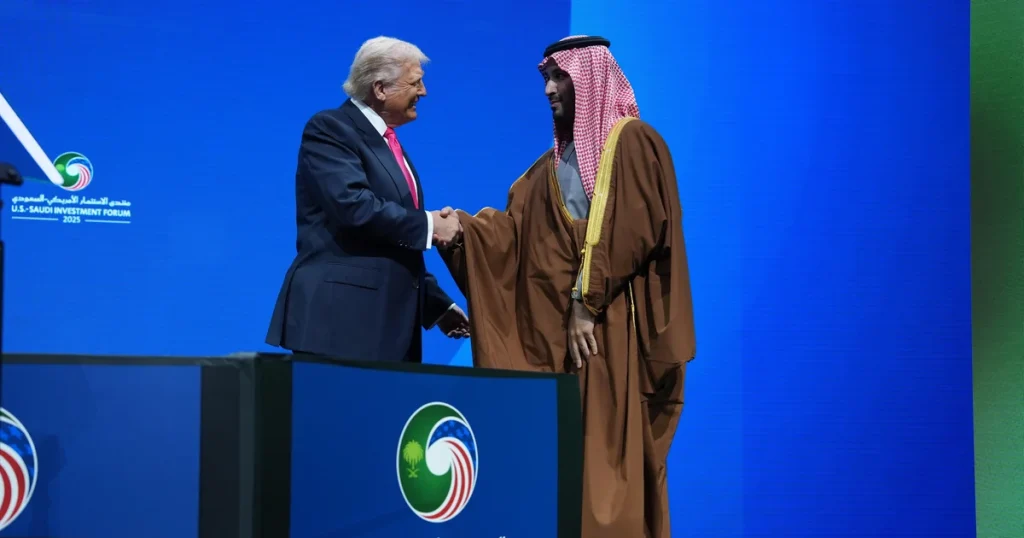
U S Reaches Deal with Saudis for Nuclear Energy Expansion
Wertynews.com – Washington — In a significant diplomatic and economic milestone, the U S reaches deal with Saudi Arabia to establish commercial nuclear energy agreements that will transform the Kingdom’s energy infrastructure. According to a regional official familiar with the negotiations, the comprehensive arrangement enables American corporations to operate nuclear power facilities directly on Saudi territory for civilian applications, marking a substantial shift in bilateral relations.
Commercial Framework and Strategic Benefits
The landmark agreement is anticipated to be formally signed on Wednesday at approximately 1:30 p.m., representing months of intensive diplomatic work between the two nations. Unlike traditional nuclear cooperation models where equipment is simply transferred, this commercial deal positions U.S. companies to actively run and manage nuclear power generation for the Saudi government on Saudi soil. The arrangement serves multiple strategic purposes, including supporting the Kingdom’s rapidly expanding artificial intelligence data center infrastructure and facilitating continued oil export capabilities through reliable energy production.
One of the most consequential elements of the agreement involves allowing Saudi Arabia to enrich its own nuclear fuel for domestic reactors, a provision that addresses long-standing concerns about nuclear capabilities in the region. While the specific American corporations participating in this venture have not yet been publicly disclosed, the deal operates primarily within the private sector framework, though Congressional consultation remains a necessary component of the implementation process.
Historical Context and Regional Implications
The Wall Street Journal initially broke news of this nuclear cooperation agreement, which has been under development for an extended period. The Biden administration had been pursuing a civilian nuclear partnership with Saudi Arabia as part of a broader strategy to normalize relations with Israel, creating a potential trilateral framework for Middle Eastern stability. However, these ambitious plans encountered significant setbacks following Hamas’s devastating attacks on Israel on October 7, 2023, which temporarily stalled diplomatic momentum across the region.
“Today is a historic day for the United States and the Kingdom of Saudi Arabia. We’ve come together on a deal for civil nuclear cooperation,” Energy Secretary Chris Wright declared during the announcement.
By November 2025, Energy Secretary Chris Wright and Saudi Arabia’s energy prince successfully completed negotiations, signing a joint declaration that formalized the civil nuclear cooperation framework. This agreement aims to bring cutting-edge American nuclear technology to Saudi Arabia while establishing bilateral safeguard agreements that strengthen the overall partnership.
Wright emphasized the administration’s commitment to nonproliferation, stating, “Together, with bilateral safeguard agreements, we want to grow our partnership, bring American nuclear technology to Saudi Arabia and keep a firm commitment to nonproliferation.” These safeguards are particularly important given the regional dynamics at play.
The civilian nuclear deal is expected to generate considerable attention from Iran, Saudi Arabia’s longstanding regional rival. Tehran has consistently maintained that as a signatory of the Treaty on the Non-Proliferation of Nuclear Weapons, it possesses the inherent right to develop and maintain a civilian nuclear program. The Saudi agreement may therefore intensify diplomatic tensions in the Persian Gulf region as both nations navigate their nuclear futures within the international nonproliferation framework.