
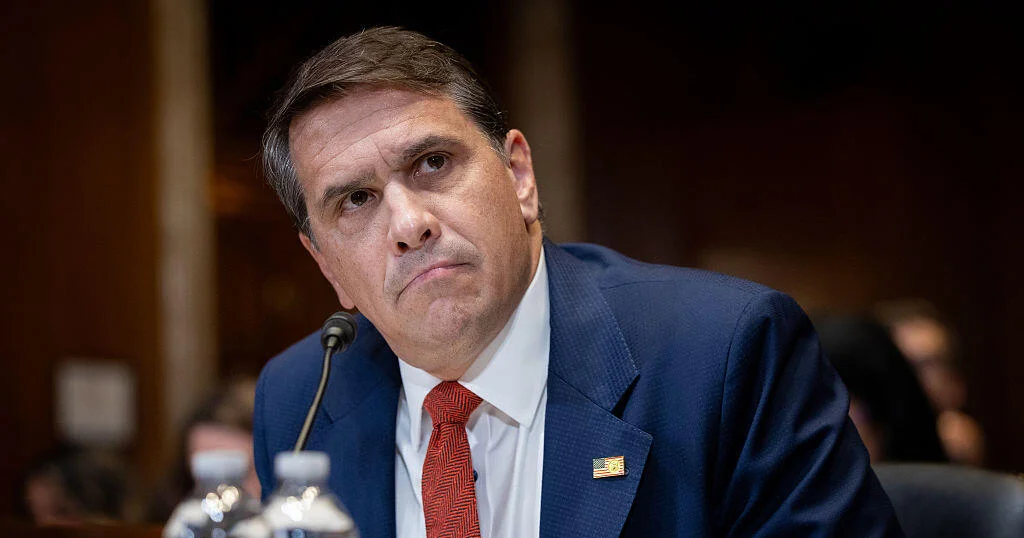
Watch Live: Blanche Testifies at Attorney General Confirmation Hearing
Wertynews.com – As the Senate prepares to hold its confirmation hearing for the next Attorney General, the spotlight has turned to Senator Thom Blanche, who is set to testify live on July 15, 2026, at 8:55 AM EDT. This pivotal moment in the political calendar brings renewed attention to Blanche’s role in shaping recent legal decisions and his potential impact on the administration’s agenda. The hearing, which is being closely watched by legal experts and media outlets, aims to assess Blanche’s qualifications, integrity, and alignment with the policies of the current leadership. With the confirmation process entering its final phase, the public and lawmakers are eager to determine whether Blanche will be the next top legal authority in the country.
Controversies Surround the “Anti-Weaponization” Fund
At the heart of the confirmation hearing is the Trump administration’s $1.8 billion “anti-weaponization” fund, a controversial initiative that has drawn intense scrutiny from both parties. Established as part of a settlement agreement with the former president to resolve his $10 billion civil lawsuit against the IRS, the fund was created following the leak of his tax records by a former government contractor. Critics argue that the fund’s purpose—to shield Trump and his associates from future tax-related claims—raises questions about potential conflicts of interest and the impartiality of the Justice Department. This issue has become a central point of debate, with senators from across the aisle weighing in on its implications for public trust in the legal system.
During the hearing, Blanche will be asked to defend the fund’s creation and its alignment with the administration’s broader goals. The program has already sparked backlash from lawmakers and legal analysts, who question whether it represents a deliberate effort to limit oversight or expedite favorable outcomes for Trump’s interests. As the Senate continues to probe the details, the fund’s fate will be scrutinized alongside Blanche’s own record of decision-making during his tenure as deputy attorney general. The confirmation process has become a battleground for ideological differences, with the “anti-weaponization” fund serving as a lightning rod for criticism.
Key GOP Scrutiny and Political Context
Republican senators, including John Cornyn of Texas and Thom Tillis of North Carolina, are expected to question Blanche intensively about his leadership style and the administration’s priorities. Tillis, a senior member of the Senate Judiciary Committee, has indicated that his support for Blanche’s nomination hinges on the latter’s commitment to the “1776” framework, a policy initiative that emphasizes historical revisionism. Meanwhile, Cornyn, who recently lost his Senate primary runoff to Ken Paxton, the Texas Attorney General who endorsed Trump, is under pressure to ensure the confirmation hearing reflects the party’s core values. This political backdrop adds complexity to the proceedings, as the senators balance their loyalty to Trump with their responsibility to evaluate Blanche’s suitability for the role.
Blanche’s testimony will also address the ongoing debate over the “out-of-audit-free” card, a provision that allows the Trump administration to avoid future audits of its financial records. This aspect of the settlement has drawn particular concern, with some lawmakers questioning whether it grants undue immunity to the former president and his allies. The hearing thus represents a critical opportunity to assess not only Blanche’s personal conduct but also the broader implications of the settlement for transparency and accountability in federal governance. As the senators press him for details, the public’s perception of the confirmation process will be shaped by his responses.
Legal Challenges and Judicial Concerns
The confirmation hearing has also brought to light legal challenges against the “anti-weaponization” fund, with a Miami federal judge recently issuing a critical ruling against the Trump administration. Judge Kathleen Williams highlighted concerns that the fund’s structure may have compromised the Justice Department’s ability to act independently, particularly in cases involving Trump’s allies. This judicial rebuke underscores the growing tension between the administration and the legal community, as the settlement’s terms are tested in court. Blanche’s involvement in signing the agreement has placed him at the center of this controversy, with his actions scrutinized for potential ethical breaches.
Earlier this month, Blanche informed House members that the Justice Department would “not move forward” with the “anti-weaponization” fund, a statement that was seen as a sign of wavering support. However, the lack of a formal written commitment has fueled speculation about his true stance. The confirmation hearing will provide a chance to clarify these points, as senators seek to determine whether Blanche’s decision reflects a genuine shift in policy or strategic compromise. The legal community remains divided, with some arguing that the fund is essential for protecting the administration from future accountability, while others view it as an overreach of executive power.
Blanche’s Record and Past Controversies
Blanche’s tenure as deputy attorney general has been marked by significant influence over the Justice Department’s operations, including decisions that align with Trump’s policies. His role in the Epstein case, as well as the widespread firings of employees who supported progressive agendas, has drawn criticism from former colleagues and watchdog groups. A letter signed by over 1,200 former Justice Department staff criticized Blanche for overseeing the termination of hundreds of employees—often without prior notice—and for doing so based on improper or unlawful reasons. These actions, they argued, undermined the civil service statutes designed to prevent partisan dismissals and corruption within the agency.
“Blanche has fired or overseen the firings of hundreds of these employees—often without notice, and for improper, unlawful reasons,” the letter states. “Some were terminated for working on cases the President disliked; for being relatives of political opponents; for adjudicating immigration matters through due process; for declining to pursue vindictive prosecutions; or for refusing to lie in court. These actions undermine the civil service statutes meant to prevent corruption and partisan dismissals.”
The Senate Judiciary Committee will need to evaluate whether Blanche’s past decisions justify his nomination or if they reveal a pattern of political favoritism. The hearing is not only a test of his qualifications but also an opportunity to address the concerns raised by his former colleagues, who fear his confirmation could perpetuate a culture of loyalty over merit within the legal establishment.
Public Reaction and Media Coverage
As the confirmation hearing unfolds, public reaction has been mixed, with media outlets and political analysts dissecting every statement Blanche makes. The live coverage has intensified the debate, with commentators highlighting the stakes of his nomination for the future of federal law enforcement and judicial independence. Social media platforms have become a battleground for opposing views, with some praising Blanche’s commitment to Trump’s vision and others condemning his role in the “anti-weaponization” fund as a betrayal of the Justice Department’s mission.
Meanwhile, the broader political landscape is watching closely, as the confirmation of Blanche could signal a shift in the balance of power within the Senate. With the GOP maintaining a majority on the Judiciary Committee, the hearing is seen as a critical step in advancing the administration’s agenda. However, the opposition remains vigilant, ready to challenge any perceived overreach or lack of transparency. As the live updates continue, the public will be kept informed of key developments, ensuring that the confirmation process remains a focal point of national discourse.