
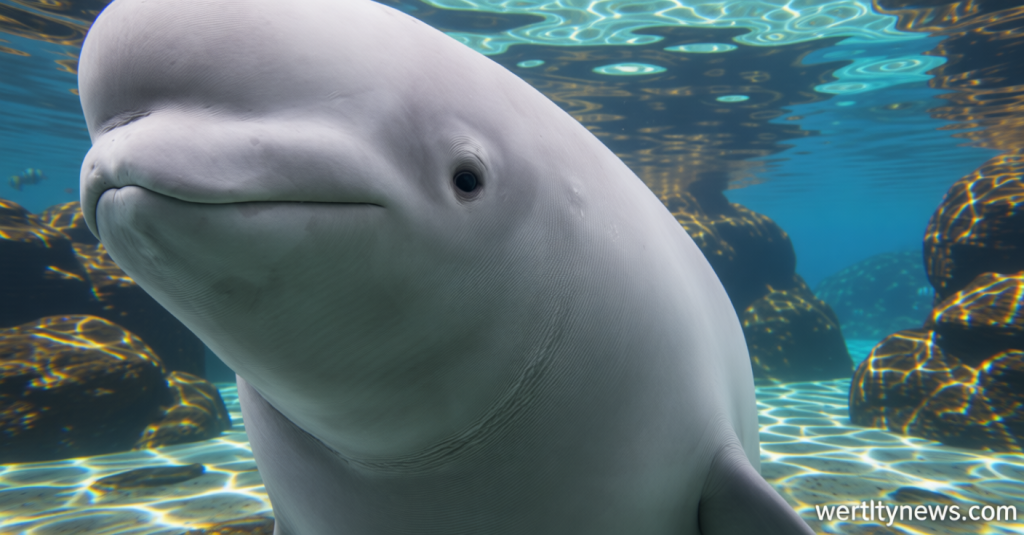
Dozens of Marineland’s Beluga Whales Head to U.S. via Emergency Rescue Plan
Wertynews.com – Dozens of Marineland’s beluga whales are set to be relocated to U.S. facilities as part of an international emergency rescue initiative, following federal approval of the plan. The move involves 28 belugas currently housed in Marineland’s closed Canadian theme park, located in Niagara Falls, Ontario, with two additional whales destined for Oceanografic Valencia in Spain. This decision aims to address the critical care needs of the animals, ensuring they receive the medical attention and living conditions previously unavailable at the facility. The relocation is backed by U.S. and Canadian authorities, highlighting the urgency of the situation and the collaborative effort to preserve the whales’ well-being.
Marineland’s Closure and Care Crisis
Marineland’s closure in 2024 was driven by financial and operational challenges, yet the park continues to maintain the beluga whales in its care. The decision to import the animals to U.S. aquariums comes after the facility warned that it would have to euthanize the whales if relocation or new funding wasn’t secured. The National Oceanic and Atmospheric Administration (NOAA) has supported the relocation, citing the need for advanced medical treatment and improved living conditions. According to NOAA, the facility’s capacity to provide adequate husbandry, including nutrition, socialization, and space, has been severely limited, making the U.S. transfer essential for the whales’ survival.
Health and Safety Priorities
The relocation process is designed to prioritize the health and safety of the beluga whales, with careful planning to minimize stress during their transition. Each whale will undergo a thorough medical evaluation before being approved for export, ensuring they are fit for the journey. This includes assessing their physical condition, behavior, and potential for adaptation to new environments. The chosen U.S. facilities, such as SeaWorld San Antonio, San Diego, the Georgia Aquarium, and the Shedd Aquarium in Chicago, are equipped with state-of-the-art care systems, including larger enclosures, specialized diets, and veterinary teams. The Spanish destination, Oceanografic Valencia, will also be assessed to confirm its ability to meet the whales’ needs.
“The relocation is a lifeline for these animals, offering them a chance to thrive in more suitable conditions,” said a spokesperson for NOAA in a recent statement. “We’ve worked closely with international partners to ensure this plan aligns with both conservation goals and the well-being of the belugas.”
International Collaboration and Legal Framework
Canada’s Fisheries Minister Joanne Thompson approved the relocation under conditional terms, emphasizing the need for ongoing oversight to ensure the animals’ welfare. The approval process required meeting specific criteria, including veterinary health assessments and proof that the U.S. facilities could provide long-term care. This move reflects a broader international effort to safeguard marine life, with the U.S. and Spain playing key roles in the rescue. The Canadian government’s decision also aligns with its 2019 legislation aimed at ending the captivity of whales and dolphins, which has sparked debates about the ethical treatment of marine animals in captivity.
Public Reaction and Conservation Implications
Since Marineland’s closure, public attention has focused on the welfare of its beluga population, with reports of 20 deaths at the facility since 2019 raising concerns about the long-term viability of keeping these whales in captivity. Animal rights organizations have welcomed the relocation, calling it a significant step toward improving conditions for marine mammals. However, some critics argue that even in U.S. facilities, belugas remain in confined spaces, which may not fully replicate their natural habitats. Despite this, the emergency rescue plan is seen as a necessary measure to prevent further loss of life and to provide a better quality of life for the remaining whales.
Future Outlook and Animal Welfare Trends
The successful relocation of Marineland’s belugas to U.S. and Spanish facilities marks a pivotal moment in the global conversation about animal welfare and conservation. With the animals now in more advanced care environments, the focus shifts to ensuring their long-term health and happiness. This case also highlights the increasing role of international cooperation in addressing crises involving captive marine life. As more facilities adopt higher standards, the hope is that such efforts will lead to broader reforms in the treatment of belugas and other cetaceans. The event has sparked renewed discussions about the ethical implications of keeping these intelligent creatures in captivity, even during emergencies.