
NTSB Links Bird Strike to Helicopter Crash in New York Hudson River
Wertynews.com – The National Transportation Safety Board (NTSB) has determined that a bird strike was the probable cause of the New York helicopter crash that occurred in the Hudson River in April 2025. The incident, which claimed six lives, took place during a guided tour flight departing from lower Manhattan just before 3 p.m. on April 10. The crash site, located near the river’s edge, has been the focus of a thorough investigation to uncover the sequence of events leading to the tragedy.
Details of the Incident
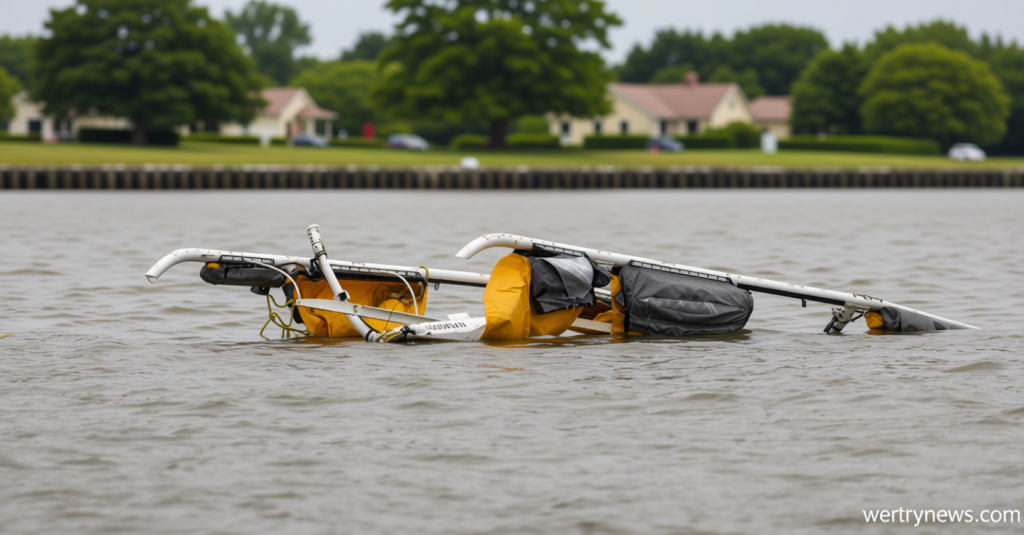
The NTSB report revealed that remnants of the Bell 206L-4 helicopter and traces of avian remains were found at the crash site and surrounding areas. Among the victims were a Spanish family of five, including three minors, and the pilot. The helicopter, en route back to its base after a scenic flight over landmarks like the Statue of Liberty and New York Harbor, suffered a catastrophic failure shortly after encountering the flock of birds. The wreckage was recovered approximately 2,000 feet from the point of impact, offering critical clues to the accident’s origin.
Investigation Findings
Following the crash, the NTSB worked closely with experts at the Smithsonian Institution’s feather identification lab to confirm the presence of bird remains. Analysis of the helicopter’s debris indicated that a high-speed collision with a large flock of geese likely caused the main rotor blade to fracture, leading to the aircraft’s disintegration mid-air. Witnesses reported seeing a significant number of birds take flight just before the incident, and the absence of a toggle switch connected to the bird strike warning system further supported the theory of a sudden impact.
“The helicopter’s engine sounded like it was going through a rapid pitch change before it went down,” said a local resident who saw the crash. “It was clear something had struck it hard, and the way it spiraled into the water made me think of a bird strike.”
The Federal Aviation Administration (FAA) has suspended the operations of the tour company, New York Helicopter Charter Inc., pending further review. Investigators noted that the company’s pilot had mentioned the bird strike warning system was optional during daylight hours, which may have contributed to the lack of immediate alerts. This detail has sparked discussions about the adequacy of safety protocols for small aircraft flying in urban environments.
Aftermath and Company Response
Michael Roth, the owner of the company, has expressed frustration with the FAA’s decision to revoke the helicopter’s operating permit. He argues that the bird strike was an unforeseen event and that the agency should restore the license while providing financial support to help restart operations. Roth emphasized his desire to continue offering flights from the downtown heliport, which he claims was unfairly targeted in the regulatory action.
The NTSB’s findings highlight the growing risk of bird strikes in aviation, particularly in areas like New York City where helicopters operate in close proximity to busy waterways and migratory bird paths. While bird collisions are common in both air and sea travel, the severity of this incident underscores the need for improved safety measures and real-time monitoring systems for urban air transport. The report is expected to influence future regulations for similar flights, ensuring greater preparedness for such events.