
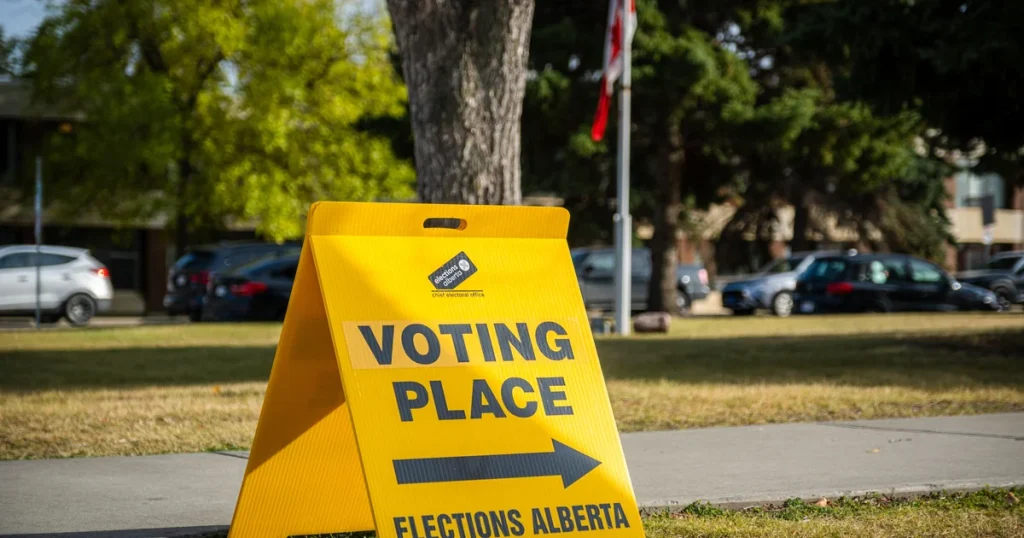
Alberta Voters Reject a Path Toward Separation From Canada
Wertynews.com – Alberta voters have decisively turned back an initiative that could have begun a legal route toward a future independence vote, keeping Canada’s oil-producing western province within the country after a closely watched referendum campaign.
With more than one million ballots counted early Tuesday, roughly 76% of voters supported Alberta remaining part of Canada. About 23% favored launching a process that might ultimately have led to a later vote on leaving the federation.
The measure did not itself ask Albertans to declare independence. Instead, it posed an earlier and consequential question: whether the province should start the legal steps that could eventually put separation directly before voters. Its defeat means that process will not move ahead through this proposal.
A Win for National Unity
The outcome was welcomed by Prime Minister Mark Carney and by campaigners who argued that a united Canada was especially important during a period of pressure from the United States. The vote unfolded against the backdrop of President Trump’s trade conflict and comments about annexation, giving the provincial campaign a broader national significance.
Thomas Lukaszuk, a former Alberta deputy premier who headed the Forever Canadian campaign, told supporters that the result showed a clear commitment to the country.
“We are a solid country that’s united from coast to coast to coast,”
Carney had made a personal appeal for a strong rejection of the separation effort. Speaking Friday at a rally in Edmonton, the city where he was raised, he framed the referendum as a decision with implications beyond Alberta’s borders.
“Vote like Canada’s future depends on it because it does,”
Polling-day results came later than expected after delayed openings at some locations prompted more than 100 polling stations to keep voting open for additional time on Monday. Participation had already been substantial before election day: more than 1.35 million Albertans, representing 43% of eligible voters, submitted advance or special ballots.
Longstanding Frustration, Limited Appetite for Independence
Alberta occupies a distinctive place in Canada’s political and economic landscape. The province is home to the world’s fourth-largest proven oil reserves and has long been associated with a rural, resource-focused economy and conservative politics. Its political culture is often viewed as having more in common with the American West than with many other parts of Canada.
That identity has also fed enduring grievances about the relationship between Alberta and the federal government in Ottawa. Many residents believe the province’s economic contribution, particularly from its energy sector, has not been matched by sufficient influence or returns. Yet the referendum result suggests that frustration with Ottawa does not automatically translate into majority support for leaving Canada.
Dustin Degenhardt, a voter in Wainwright, described the depth of those concerns after casting his ballot.
“Alberta has essentially been treated as, you know, a colony,” he said. “They want to take and take and take from us and not return anything.”
For supporters of separation, the campaign provided an opportunity to argue that Alberta’s conservative communities would have more control over their political and economic future outside Canada. Taylor MacIsaac, another Wainwright voter, said her own political outlook informed her support for the initiative.
“I think it’ll be good for Alberta to separate personally, as a very conservative individual that grew up in rural Alberta,” she said.
But other Albertans questioned whether the referendum was the right use of public attention and resources. Dave Malka, 59, of Edmonton, criticized the idea of spending money on what he called a “referendum on a referendum” when health care needs were competing for priority.
What the Result Means
The vote closes off this specific proposal to launch a separation process, but it does not eliminate Alberta’s wider debate over its relationship with Ottawa. Concerns involving federal policy, energy development, taxation, regional representation and provincial autonomy are likely to remain central topics in the province.
Separatist organizers have acknowledged the apparent loss while maintaining that they have moved the issue beyond its former fringe status. Their task now will be to decide whether they can sustain support after a result that showed most participating voters preferred to remain Canadian.
For advocates of unity, the margin offers a clearer answer to the immediate question. Alberta may retain strong regional differences and a history of conflict with the federal government, but voters did not endorse beginning the formal path toward departure.
The referendum also illustrates the distinction between dissatisfaction and separation. A province can seek greater recognition, stronger influence, or different policy choices while still choosing to remain inside the national framework. Alberta’s electorate, by a wide margin in this vote, chose that latter course.
Related Reading
Frequently Asked Questions
What is Alberta voters reject move toward separation?
Alberta voters reject move toward separation is the main topic of this guide. The article explains the context, practical details, and next steps readers should understand.
Why does Alberta voters reject move toward separation matter?
Alberta voters reject move toward separation matters because readers are looking for a useful answer, not just a short summary. Good content should match search intent and help them decide what to do next.