
Archaeologists Uncover 3,000-Year-Old Tomb Near Egypt’s Luxor
Wertynews.com – Archaeologists uncover 3,000-year-old tomb near Egypt’s Luxor, marking a pivotal moment in the study of ancient civilizations. This remarkable find, made in the Sheikh Abd el-Qurna necropolis on the West Bank of Luxor, adds new depth to the understanding of Egypt’s prehistoric past. The tomb, believed to date back to the New Kingdom era, is a testament to the architectural and cultural sophistication of the time. Its discovery has sparked excitement among historians and researchers, highlighting the ongoing efforts to explore and preserve Egypt’s rich heritage.
Historical Context and Significance
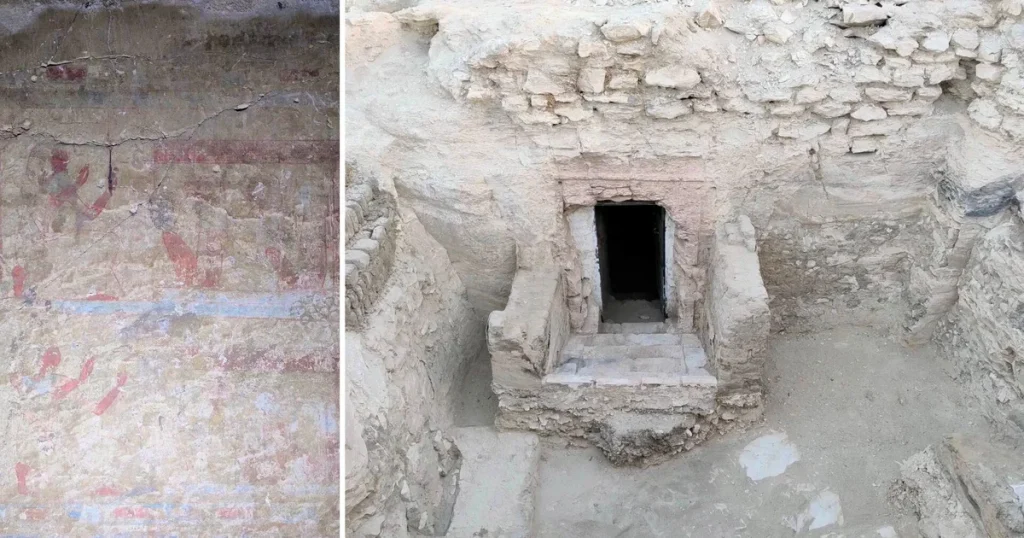
The tomb is attributed to Paser, a high-ranking official from the 15th century BC, whose name appears in inscriptions within the structure. The Dutch research team from Leiden University, which led the excavation, noted that the site’s location near existing tombs suggests it was part of a larger necropolis. This area has long been a focal point for archaeological exploration, with previous discoveries revealing intricate burial practices and vivid depictions of daily life. The current project, launched in 2018, has not only uncovered Paser’s tomb but also reinvigorated interest in the region’s ancient history.
The tomb’s design reflects the architectural styles of Theban tombs from the New Kingdom, which were often grand in scale and richly decorated. A central feature is its inverted “T” shape, a layout common in elite tombs that symbolized the afterlife’s connection to the earthly realm. The entrance is flanked by sloping ramps, leading to an open courtyard that houses a mudbrick bench—likely used for funerary rituals. Beneath this courtyard lies a series of burial chambers, each containing artifacts that provide insight into the lives and beliefs of those who lived during this era.
“This tomb is a significant addition to our understanding of ancient Egyptian burial customs and the lives of those who lived during this era,” stated the Ministry of Tourism and Antiquities. The find is particularly valuable because it preserves a rare example of a tomb that has remained largely intact, offering scholars an unprecedented glimpse into the social hierarchy and religious practices of the New Kingdom.
Inside the chapel, the inscriptions depict Paser’s interactions with various deities, such as Amun, Osiris, and Thoth, which underscores the spiritual role of individuals in ancient Egyptian society. Scenes of Paser seated beside his wife at an offering table further illustrate the domestic aspects of life, highlighting the importance of family in the cultural fabric of the time. The carvings and reliefs are exceptionally well-preserved, with vibrant colors and detailed craftsmanship that have captivated researchers and visitors alike.
Broader Implications for Archaeology and Tourism
The discovery of this tomb is not only a triumph for archaeology but also a boon for Egypt’s cultural tourism industry. Luxor, already a UNESCO World Heritage Site, continues to attract global attention with each new excavation. The Ministry of Tourism and Antiquities has emphasized that such findings help bridge the gap between past and present, allowing people to connect with ancient Egypt in a tangible way. The tomb’s artifacts, including pottery, jewelry, and ceremonial objects, are expected to be displayed in a dedicated museum, further enhancing the region’s appeal as a hub for historical exploration.
Researchers are now working to confirm the identities of those interred within the tomb and to analyze the inscriptions in greater detail. This process involves collaboration with experts in hieroglyphics, Egyptology, and materials science, ensuring that the tomb’s secrets are fully decoded. The site’s proximity to other well-known tombs, such as those of the pharaohs Hatshepsut and Ramesses II, also means that it contributes to the broader narrative of Luxor’s role as a center of power and religious significance in ancient times. The findings are likely to shed light on the social structures and religious beliefs of the period, enriching the historical record for future generations.