
FlyDubai Co-Pilot Allegedly Planned Crash at Israeli Airport
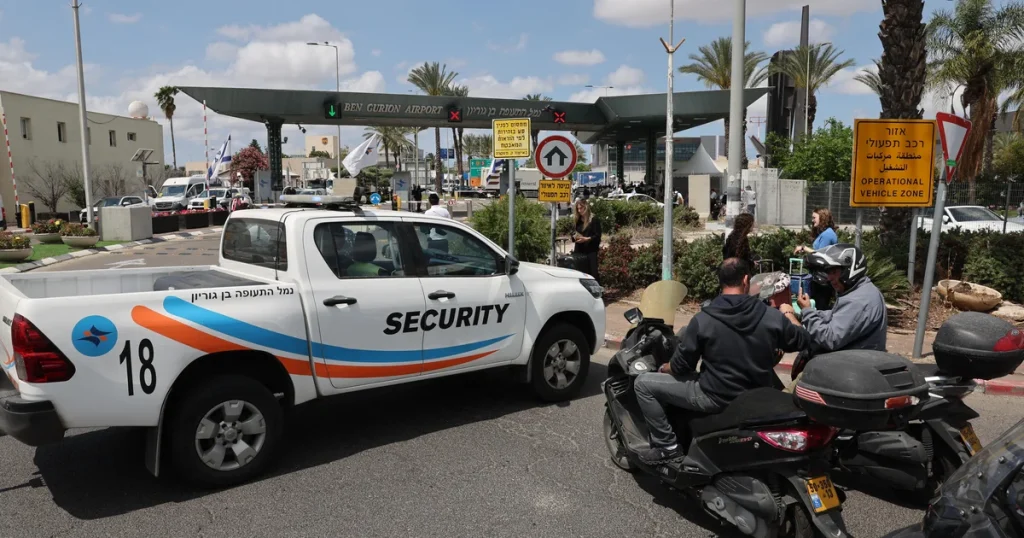
Wertynews.com – Authorities are examining claims that a FlyDubai co pilot planned to crash an aircraft at Ben Gurion Airport after an alleged attack in the cockpit of a flight bound for Israel. The incident has raised questions about airline screening, crew background checks and Israel’s review of foreign flight personnel.
People familiar with the investigation identified the co-pilot as Omani national Hamam al Hamami. He was accused of attacking the captain as the Sept. 30 flight approached Israel. Israeli Prime Minister Benjamin Netanyahu, passengers and the captain have said the co-pilot used the aircraft’s crash ax and attempted to bring the plane down.
An Israeli official said al Hamami told interrogators in the United Arab Emirates that the alleged plot had been planned before he joined FlyDubai more than a year earlier. The intended destination was Ben Gurion Airport, Israel’s main international airport. The official said he had previously traveled to Israel while working on flight operations.
Crew and passengers stopped the alleged attack
Captain Smit Machchhar suffered stab wounds but fought long enough to open the cockpit door, according to accounts of the incident. He later spoke with India’s leader from a Saudi Arabian hospital while recovering from his injuries.
Israeli passengers and FlyDubai employees aboard the aircraft restrained the co-pilot. Two off-duty pilots who were traveling on the flight then took control and helped bring the plane to an emergency landing in Tabuk, Saudi Arabia.
The aircraft did not reach Israel. Still, the allegation that a FlyDubai co pilot planned to crash the plane has intensified scrutiny of the safeguards intended to protect commercial flights, including hiring procedures, cockpit security and advance reviews of crew members.
Questions About Israel’s Pre-Flight Screening
Israel receives passenger and crew manifests before arriving flights. A 2023 law requires foreign airlines to submit those lists before traveling to Israel, a measure meant to help prevent terrorist incidents.
Eytan Ben David, a former deputy head of aviation security at El Al and former deputy head of Israel’s National Security Council, said Israeli procedures should have prevented an Omani pilot from operating a flight to Tel Aviv. Oman does not have formal diplomatic relations with Israel.
“It’s enough that you see that he is of Omani nationality to say, ‘Stop, he cannot fly to Israel because he is Omani, replace him with another pilot,’” Ben David said.
Ben David called the event a serious failure in the security process and said the outcome was a narrowly avoided catastrophe.
“It’s a huge failure, and it’s a big miracle,” he said.
He said he had previously stopped a Turkish Airlines pilot with Iranian citizenship from flying into Israel under comparable restrictions. Iran also falls within the relevant security concerns.
It remains unclear whether al Hamami held dual citizenship, which could help explain why he was permitted to work the route. Citizenship records alone may not reveal a crew member’s complete legal or security profile.
Who Is Responsible for Screening Foreign Crews?
After the alleged cockpit attack, Israel’s Transportation Ministry and the country’s domestic and foreign security agencies each said they were not responsible for vetting foreign flight crews. Ben David said the Transportation Ministry’s security branch holds the main responsibility for confirming that foreign pilots are properly screened.
The dispute highlights a challenge in international aviation security. Airlines hire and manage their own personnel, while destination countries decide which checks are required before those employees can operate flights to sensitive airports.
Israel has spent decades developing security procedures for its own airlines and aviation personnel. Foreign carriers present a different risk because their recruitment, training and security systems are managed outside the country. The allegation that a FlyDubai co pilot planned to crash the aircraft is likely to renew attention on that vulnerability.
“I’m sure all the countries in the world heard about this and said to themselves, ‘Let’s check what the situation is for us,’” Ben David said.
Earlier Warning Signs Under Review
The question of how the co-pilot came to operate the flight is only part of the investigation. People familiar with the case said al Hamami had previously been removed from flying duties by Oman Air, where he received pilot training.
They also said Omani authorities had monitored him after discovering that he visited radical websites. The available accounts have raised further questions about what information was known by airlines, regulators and security agencies before the flight.
FAQ: What the FlyDubai Incident Means for Travelers
Did the FlyDubai flight land safely?
Yes. The flight made an emergency landing in Tabuk, Saudi Arabia, after the co-pilot was restrained and two off-duty pilots helped take control of the aircraft.
Was Ben Gurion Airport reached?
No. The plane did not reach Israel. Investigators said the alleged intended target was Ben Gurion Airport near Tel Aviv.
Why are foreign flight crews screened before arriving in Israel?
Israel requires airlines to provide passenger and crew manifests in advance. The information is used as part of aviation-security procedures for flights arriving in the country.
What remains unclear?
Authorities have not fully resolved how the co-pilot was cleared for the route, whether he held dual citizenship, and which Israeli agency was responsible for vetting foreign crew members.