
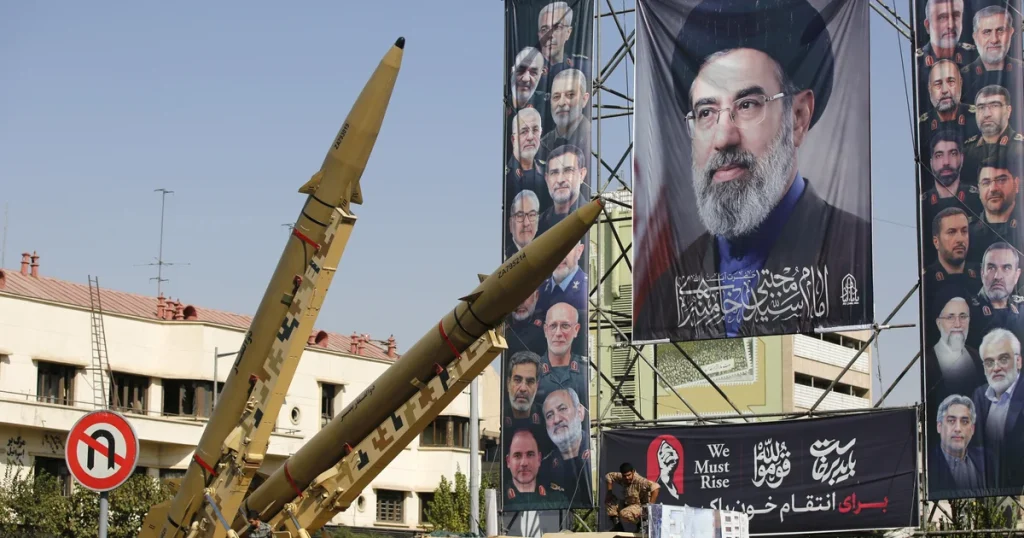
Live Updates: Iran’s military says war
Wertynews.com – Live Updates: Iran’s military says war will end only when the United States admits defeat, according to Iranian military leaders, as Tehran continues to await a formal U.S. response to its ceasefire proposal. The plan also addresses a phased reopening of the Strait of Hormuz, a vital route for global energy shipments.
Diplomatic efforts remain stalled over the sequence of proposed steps. Iran has called for a seven-day pause in fighting to build confidence, followed by a gradual restoration of access through the Strait of Hormuz. Washington has publicly rejected the proposal, although Iranian officials say they are still waiting for an official reply delivered through Qatar.
Iran Seeks Formal U.S. Response
Foreign Minister Abbas Araghchi said the seven-point proposal was sent to Washington through a Qatari intermediary. Speaking in New York, he said public comments by President Trump did not replace an official diplomatic response.
“Our plan, which became known as the seven-point plan, was conveyed to the Americans through the Qatari intermediary,” Araghchi said. “We are waiting for an official response from America through the intermediary.”
Iran presented the proposal after a memorandum of understanding negotiated in mid-June collapsed weeks later. Tehran has continued to frame the plan as a possible route toward reducing hostilities while addressing maritime access.
Strait of Hormuz Remains Central to Talks
The Strait of Hormuz is among the world’s most important waterways for oil and energy shipments. Any disruption or reopening arrangement could affect commercial shipping, oil markets and regional security far beyond the immediate conflict.
The disagreement illustrates the challenge of translating broad commitments into a deal both governments consider acceptable. Iran wants a temporary military pause linked to practical measures for the waterway, while the order of implementation remains unresolved.
Iranian Officials Escalate Their Rhetoric
Maj. Gen. Mohsen Rezaei, who leads Iran’s Supreme National Security Council, said Tehran had already stated its conditions. During a meeting with Azerbaijan Deputy Prime Minister Shahin Mustafayev, he characterized Trump as unable to choose between diplomacy and escalation.
“We stated our conditions, but Trump is incapable of decision-making,” Rezaei said. “Trump is trapped in a quagmire where he can neither negotiate nor fight.”
Rezaei also criticized newly imposed airline restrictions, calling them an “air blockade” and describing the measures as a sign of desperation. Live Updates: Iran’s military says war has become a focal point in Tehran’s wider effort to portray the United States as strategically constrained.
U.S. Sanctions Add Economic Pressure
The U.S. Treasury Department imposed sanctions on 10 people and companies accused of helping Iran’s military logistics agency obtain weapons and electronic equipment. The sanctioned targets are located in Iran, Beijing, Hong Kong and Pakistan.
The action is part of Operation Economic Outcast, a Trump administration campaign intended to isolate Iran’s government and economy. Treasury Secretary Scott Bessent said the United States would continue targeting those who support the Iranian government.
“Treasury will not tolerate any support to the regime and will continue to identify, expose, and isolate Iran’s enablers,” Bessent said.
FAQ
What is Iran proposing? Iran has proposed a seven-day ceasefire, followed by a phased reopening of the Strait of Hormuz. Officials say the proposal was passed to the United States through Qatar.
Why does the Strait of Hormuz matter? The waterway is a major passage for energy shipments. Changes to access can affect shipping routes, oil markets and regional security.
Has the United States accepted the proposal? No. Trump has publicly rejected it, while Iranian officials maintain that they are awaiting a formal diplomatic response.