
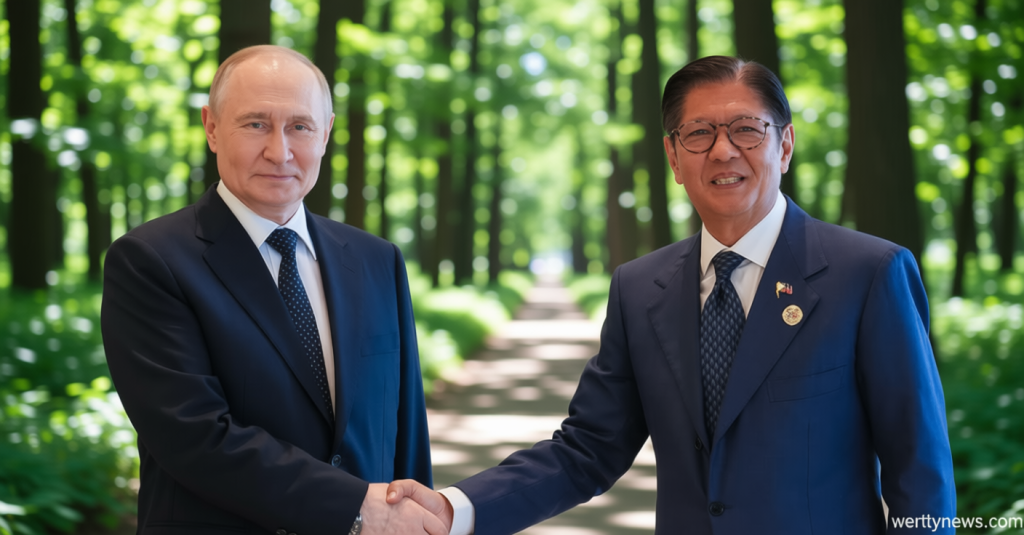
Russia Frees 24 Filipinos After Marcos-Putin Talks
Wertynews.com – Following a high-level diplomatic exchange, Russia announced the release of 24 Filipino nationals who had been detained in Siberia without formal charges. The decision came after Philippine President Ferdinand Marcos Jr. engaged in direct talks with Russian President Vladimir Putin, focusing on resolving the situation of the detainees. The group, held in Irkutsk for nearly nine months, is set to return to the Philippines via two charter flights scheduled for Sunday, marking a swift conclusion to their ordeal.
Philippine Foreign Secretary Theresa Lazaro, who accompanied Marcos during the bilateral meeting in Kazan, confirmed the release plan. The 24 individuals were to be deported in two separate batches, with the first arriving in Manila on Sunday morning. The agreement was reached after Marcos emphasized the urgency of the issue during their Wednesday discussions, which were part of a broader summit commemorating the 35th anniversary of ASEAN-Russia diplomatic ties. The resolution underscores the growing importance of bilateral cooperation in addressing transnational challenges.
Context of the Detention and Diplomatic Efforts
The Filipinos, according to Philippine officials, were likely caught in an illegal labor recruitment scheme. Reports suggest they were detained due to alleged immigration violations, though no formal charges were filed against them. This situation has raised questions about the treatment of foreign workers in Russia, particularly those from the Philippines, which has a significant presence in the country. Igor Bailen, the Philippine ambassador to Moscow, noted that approximately 15,000 Filipinos reside and work in Russia, many in sectors like construction and hospitality.
Marcos’s meeting with Putin was part of a strategic effort to strengthen ties between the Philippines and Russia. The two leaders discussed a range of topics, including trade, security, and regional stability, with the detainees’ case serving as a key point of agreement. Officials highlighted that the Philippines, while maintaining its alliance with the United States, has sought to diversify its international partnerships, and Russia has become an important ally in this regard. The swift action taken by Moscow to release the Filipinos signals a positive shift in the two nations’ relationship.
ASEAN Diplomacy and the U.S. Alliance
As the current ASEAN chair, Marcos played a pivotal role in the Kazan summit, which brought together leaders from across Southeast Asia. During the event, he reiterated the Philippines’ commitment to regional unity and cooperation, even as the country navigated its complex relationship with Russia. Despite supporting a U.N. resolution condemning Russia’s invasion of Ukraine, the Philippines has maintained a balanced approach in its foreign policy, seeking to align with both Western and Eastern powers.
The detention of the Filipinos also highlights the Philippines’ diplomatic leverage in international negotiations. Marcos’s direct engagement with Putin not only secured their release but also reinforced the country’s ability to influence Russian decisions. This move is seen as a strategic win for the Philippines, which has been working to enhance its global standing. Additionally, the event comes amid ongoing efforts to strengthen economic ties between the Philippines and Russia, including agreements on infrastructure development and energy partnerships.
“We are committed to resolving this matter swiftly and ensuring the well-being of our citizens abroad,”
said Marcos during a press briefing following the summit. The president emphasized that the Russian leader had acknowledged the detainees’ situation, recognizing the importance of their case to Philippine-Russia relations. This dialogue was part of a broader strategy to address concerns about the treatment of Filipino workers and to solidify mutual trust between the two nations.
The release of the 24 Filipinos has been met with relief by their families and the Philippine government. Officials expressed gratitude for Putin’s support, which allowed the country to secure the detainees’ return without prolonged legal battles. The incident also serves as a reminder of the challenges faced by migrant workers in Russia, prompting calls for improved labor protections and diplomatic mechanisms to address such cases. As the Philippines continues to engage with global powers, this event underscores its proactive approach to resolving international disputes.
In the aftermath of the deportation, Philippine President Marcos is expected to highlight the success of the talks in his upcoming speeches. The event has already generated positive media coverage, with analysts noting its significance in demonstrating the Philippines’ ability to negotiate on the global stage. While the immediate focus remains on the well-being of the freed individuals, the broader implications of the Marcos-Putin meeting could influence future collaborations between the two countries. This resolution may also set a precedent for addressing similar cases involving other nations’ citizens detained in Russia.