
U S Iran Latest: Ceasefire Tensions Escalate Amid Talks Delay
June 19, 2026 / 5:39 AM EDT / CBS News
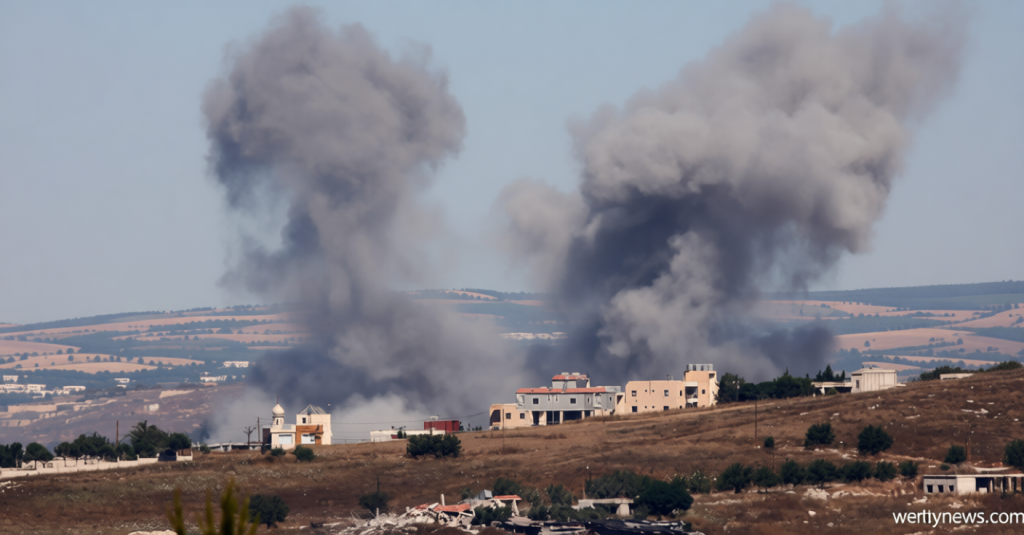
Wertynews.com – U S Iran Latest: The U.S.-Iran ceasefire talks, held in Switzerland, have been postponed due to renewed hostilities between Israel and Hezbollah in southern Lebanon. According to regional sources, the escalation in violence has forced both sides to pause negotiations, creating uncertainty for the ongoing diplomatic efforts. Israeli forces, reportedly acting in response to Hezbollah attacks, intensified their operations in the area, while Lebanese authorities confirmed civilian casualties, raising concerns about the fragile stability in the region. The delay in talks underscores the challenges of resolving regional conflicts while maintaining dialogue between the U.S. and Iran.
Reasons for the Suspension
The suspension of the U.S.-Iran talks comes amid heightened tensions in the Middle East, with Israel and Hezbollah engaging in a series of clashes that have disrupted the fragile ceasefire agreement. Officials from both sides indicated that the conflict in Lebanon has taken precedence over diplomatic discussions, as the U.S. and Iran seek to address broader geopolitical issues. Israeli Prime Minister Benjamin Netanyahu’s recent statements, which were seen as a provocation to Iran, contributed to the decision to halt negotiations. The officials emphasized that the temporary agreement, signed earlier in the week, was meant to provide a framework for calm, but the escalating violence in Lebanon has made it difficult to maintain.
“The United States is committed to PEACE, and we encourage everyone in the Middle East Region to maintain their commitment to allowing our negotiations to beautifully unfold. We expect a complete Ceasefire on all fronts, including Lebanon, Hezbollah, and Israel.” – President Trump
Iranian President Masoud Pezeshkian had previously expressed optimism about the talks, stating that the agreement could pave the way for a lasting resolution to the region’s conflicts. However, the Israeli-Hezbollah fighting has created a ripple effect, threatening to derail progress. The U.S. delegation, led by Vice President JD Vance, was in Switzerland to continue discussions on Iran’s nuclear program, but the delay has forced them to reassess their strategy. The White House spokesperson noted that the talks were expected to begin this weekend, but the situation in Lebanon has made it necessary to adjust the timeline.
Escalating Hostilities in Lebanon
The conflict between Israel and Hezbollah in southern Lebanon has intensified, with Israeli airstrikes causing significant civilian casualties. Lebanese state-run National News Agency reported at least 18 civilian deaths overnight, the highest number since the U.S.-Iran agreement was signed. These attacks were a direct response to Hezbollah’s continued shelling of Israeli territory, which has been ongoing despite the ceasefire. Israeli Defense Forces (IDF) stated that their operations were aimed at targeting Hezbollah’s infrastructure and positions, with the goal of reducing its capacity to launch further attacks.
“We expect a complete Ceasefire on all fronts, including Lebanon, Hezbollah, and Israel.” – President Trump
Lebanon’s government has condemned the Israeli strikes, calling them disproportionate and a violation of the agreed-upon ceasefire. Meanwhile, Israeli officials have defended the actions, citing Hezbollah’s repeated breaches of the truce. The fighting has not only affected civilians but also raised concerns about the potential for a wider regional war. Analysts warn that the delay in U.S.-Iran talks could lead to increased military activity, as Iran and its allies may feel emboldened by the ongoing conflict. This situation highlights the interconnected nature of Middle East tensions and the importance of sustained diplomatic engagement.
Technical Talks and Future Implications
While direct negotiations between the U.S. and Iran have been paused, technical talks are still in progress to address the details of the memorandum of understanding (MOU) signed earlier this week. These talks, which are expected to continue in the coming days, focus on implementing the terms of the agreement, including Iran’s nuclear program commitments. The MOU was intended to provide a framework for the next phase of discussions, but the current crisis has forced both sides to consider its implications more carefully.
“The United States is committed to PEACE, and we encourage everyone in the Middle East Region to maintain their commitment to allowing our negotiations to beautifully unfold.” – President Trump
Despite the delay, U.S. officials remain optimistic about the potential for a breakthrough. The White House has stated that the technical talks will continue as long as the conflict in Lebanon does not escalate further. However, the situation remains precarious, with both Israel and Hezbollah demonstrating a willingness to engage in military action. The U.S. is working closely with regional allies to mediate and stabilize the situation, but the success of these efforts depends on the cooperation of all parties involved. The delay in the talks has also raised questions about the timeline for resolving the broader Iran-Israel dispute.
As the U S Iran Latest developments unfold, the focus remains on restoring calm in Lebanon and ensuring that the ceasefire agreement holds. The impact of the Israeli-Hezbollah fighting on the U.S.-Iran negotiations underscores the delicate balance required to maintain diplomatic progress in a volatile region. With tensions high and the stakes significant, the next phase of talks will be critical in determining the future of the U.S.-Iran relationship and the broader Middle East peace process.