
U.K. Announces Plan to Ban Social Media for Under-16s
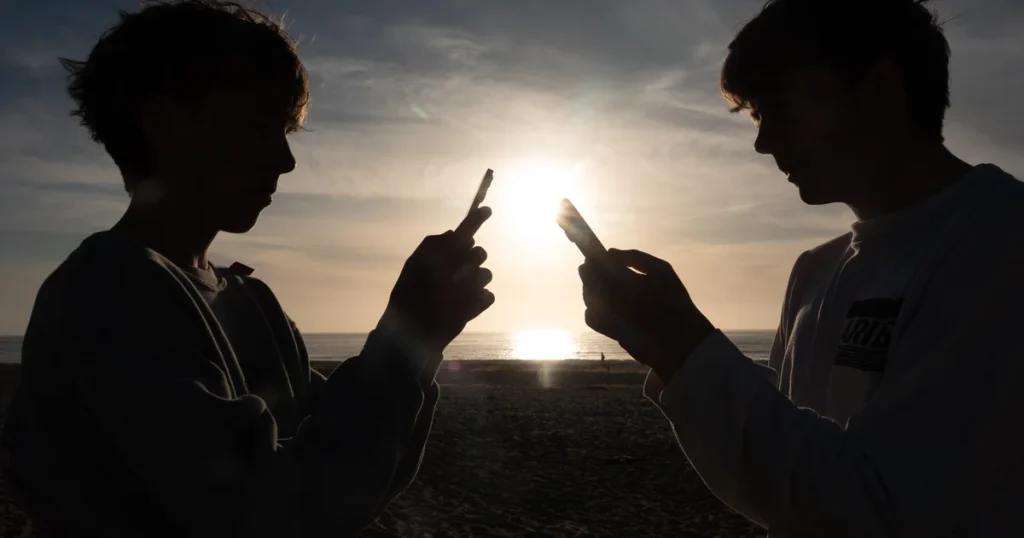
Wertynews.com – London — Prime Minister Keir Starmer has unveiled a new policy aimed at restricting social media use for children aged 16 and younger. The measure would extend beyond mere app access, blocking features like livestreaming and direct communication with strangers. It also includes gaming sites in the scope of restrictions, with the goal of shielding young users from content designed to be addictive.
Broader Restrictions and Legal Implications
Under the proposed legislation, platforms such as Snapchat, TikTok, YouTube, Instagram, Facebook, and X would be off-limits to children under 16. However, messaging services like WhatsApp would remain accessible. Starmer emphasized that the policy seeks to protect minors from harmful online influences, with tech companies tasked to enforce compliance or face significant penalties.
Although the exact implementation of AI-related restrictions for under-18s is unclear, the law represents a bold approach to digital regulation. Starmer expressed confidence in the plan’s effectiveness, noting that the ban would take effect by spring 2027 after being passed by lawmakers in late December.
Global Context and Parental Response
Australia became the first nation to implement a similar ban in December 2025, yet a March poll revealed that 70% of parents still allowed their children to use the platforms. Starmer acknowledged this challenge but defended the policy, drawing a parallel to banning alcohol for children: “We don’t say: ‘Oh, look, a teenager managed to get a drink somehow, so let’s not bother banning drinks from children.’ That would be utterly ridiculous!”
The U.S. Embassy in London has voiced concerns about the feasibility of age-gating systems, urging alternative measures to safeguard youth while preserving freedom of speech. Despite this, British parents show strong support, with polling indicating overwhelming backing for the ban among families.
Irish Town Takes the Lead in Digital Detox
Near Dublin, the coastal town of Greystones has already taken steps to limit children’s screen time. Residents there have embraced a community-driven initiative to raise kids without smartphones, a practice that has gained attention in recent years. At a local youth cafe, 11- and 12-year-olds were asked if they owned smartphones—none raised their hands.
“My Mum told me scientists did this brain scan,” said Sam, a boy in the group. “It’s the same brain as people—they’re thinking the same thing if they’re scrolling and drinking alcohol.”
Rachel Harper, a principal at St. Patrick’s National School, noted a rise in student anxiety after the pandemic. “I noticed an increase in anxiety levels in my school,” she explained. “The online world was definitely having an effect on the children.” To address this, Harper launched “It Takes a Village,” a program encouraging parents to delay giving smartphones to their children until age 22.
Harper’s initiative includes a community survey with 800 educator responses, revealing 95% reported heightened anxiety in classrooms. This local effort highlights a growing movement to prioritize childhood experiences over digital engagement, even as national policies debate the extent of such measures.
International Momentum
The UK joins a global trend, with France, Denmark, Malaysia, and Ireland already considering similar legislation. A recent U.S. court ruling in Los Angeles held Meta and YouTube accountable for addictive behaviors in young users, potentially setting a legal precedent for future claims against tech giants.