
DOJ Closure Sparks Congressional Inquiry by Schiff
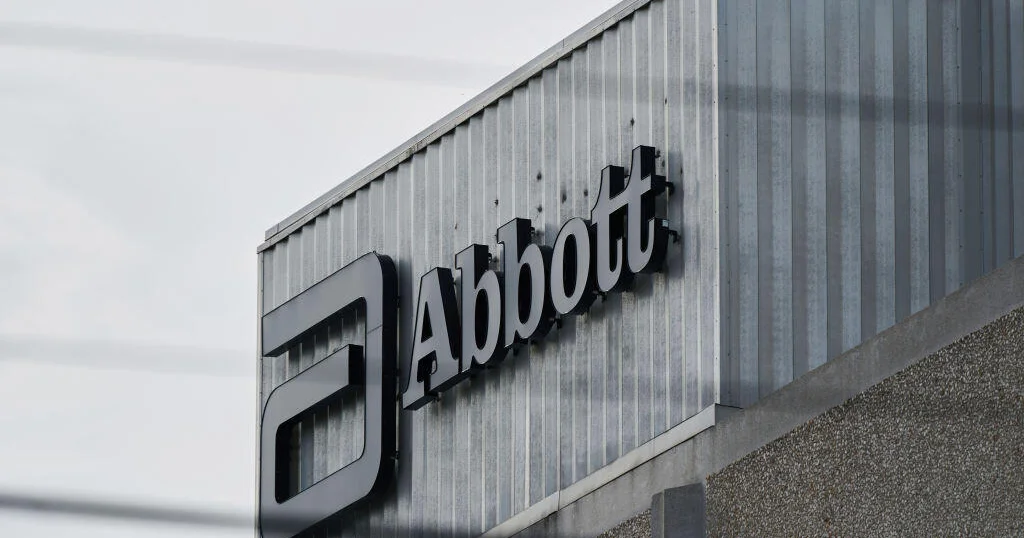
Wertynews.com – California Democratic Senator Adam Schiff has launched a formal inquiry into the U.S. Department of Justice’s decision to close its criminal investigation into bacterial contamination at an Abbott Laboratories plant. The probe, which had been ongoing for several months, focused on the risk of Cronobacter infections linked to Abbott’s baby formula production. Schiff’s office released a letter dated July 8, which was reviewed by CBS News, highlighting concerns over why senior DOJ officials chose to halt the case despite prosecutors’ efforts to pursue felony charges. The inquiry aims to clarify the rationale behind the closure and assess whether the DOJ adequately addressed public health risks associated with the recall.
DOJ’s Rationale for Closing the Investigation
Schiff’s letter criticizes DOJ leadership for prioritizing civil resolutions over criminal action, arguing that the closure of the probe ignored the deadly risks posed to infants. “If cases involving the potential for infant harm or fatalities are not deemed a top enforcement priority, I question what other matters the DOJ considers essential,” he wrote. The DOJ confirmed receipt of the letter but has not yet provided an official explanation for its decision. This move has raised questions about the department’s approach to corporate accountability in public health crises.
The bacterial contamination issue at Abbott’s facility in Sturgis, Michigan, led to a nationwide recall of several powdered formula brands in 2022. The FDA linked these recalls to Cronobacter infections, which caused five infants to be hospitalized and two deaths. Schiff emphasized that the criminal investigation was critical to holding the company accountable for potential negligence in ensuring product safety. However, the DOJ’s decision to close the case suggests a shift toward administrative penalties rather than criminal convictions.
Abbott’s Defense and Testing Claims
“No unopened, distributed Abbott infant formulas have ever tested positive for Cronobacter sakazakii,” stated the company in a CBS News statement. It further explained that in four cases, open containers were analyzed, with three showing no traces of the bacteria and one detecting two strains. One of these strains matched the infection found in an infant, though neither was definitively traced to the Sturgis plant. Abbott argued that the contamination could have occurred during storage or preparation, not necessarily during manufacturing.
Despite these claims, federal prosecutors had initially supported felony charges, as confirmed by sources familiar with the case. The DOJ, however, overruled this recommendation, leading to the closure of the criminal probe. Schiff’s inquiry seeks to understand whether this decision was influenced by political considerations or a broader strategy to streamline corporate investigations. The senator also questioned the DOJ’s reliance on civil settlements as a replacement for criminal charges, given the severity of the public health impact.
Public Reaction and Legislative Pushback
The closure of the DOJ’s criminal case has sparked significant public concern, with parents and advocates calling for stricter oversight of baby formula safety. Schiff’s office noted that the decision may undermine consumer trust in regulatory institutions, especially after the 2022 recalls, which affected thousands of families. The senator’s inquiry has gained traction as lawmakers debate the balance between corporate leniency and public accountability. Some argue that the DOJ’s focus on civil penalties could weaken its ability to address corporate misconduct in high-stakes cases.
Meanwhile, Abbott has continued to defend its practices, stating that it collaborates with the FDA to ensure product safety. The company also highlighted its investment in research and quality control measures to prevent future contamination. However, critics point out that the DOJ’s closure of the criminal investigation may allow Abbott to avoid the stronger penalties associated with felony convictions. Schiff’s inquiry is expected to examine whether this decision sets a precedent for other corporate cases, particularly those involving public health threats.
Broader Implications for Corporate Enforcement
The DOJ’s choice to close the criminal probe has drawn comparisons to its historical approach to corporate prosecutions. While the department has long emphasized felony violations for serious misconduct, this case marks a departure from that trend. A DOJ official told CBS News that the civil settlement under the False Claims Act was deemed “the best mechanism to achieve accountability and public protection.” This strategy allows for financial penalties without the need for criminal convictions, which can be time-consuming and politically charged.
As Schiff’s inquiry progresses, it could prompt a deeper discussion about the DOJ’s enforcement priorities. The senator’s letter underscores the importance of transparency in how cases are decided, especially when they involve life-threatening risks. With the potential for a $1 billion settlement, the case also highlights the financial stakes for corporations in public health controversies. The outcome of Schiff’s investigation may influence future regulatory actions and shape the DOJ’s approach to holding companies accountable for safety lapses in the food and pharmaceutical industries.