
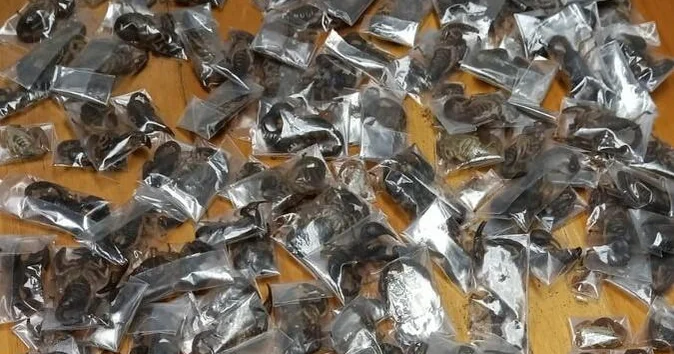
150 Venomous Scorpions Smuggled in Luggage at South African Airport
Wertynews.com – South African authorities recently uncovered a surprising wildlife smuggling incident at a major airport, where a 28-year-old traveler was found in possession of 150 live venomous scorpions hidden within his clothing and luggage. The discovery, made during a targeted intelligence operation, highlights the growing challenges of intercepting exotic animals in the global travel network. Police confirmed the scorpions were concealed in multiple layers of fabric, raising concerns about how such a large number could evade detection during routine inspections.
The Hidden Threat of Scorpion Smuggling
“This individual was detained under the Nature and Environmental Ordinance Act for harboring a wild animal,” said a police spokesperson, who noted that the scorpions were individually sealed in plastic containers.
The operation, which involved monitoring the man’s movements and cross-referencing his image with known smugglers, led to his arrest as he prepared to board a flight. The scorpions, believed to be a mix of species native to South Africa, were removed from his belongings and transported to a specialized wildlife sanctuary for care. Authorities are currently assessing the market value of the scorpions to determine the extent of the smuggling operation.
While scorpions may not be as high-profile as elephants or rhinos in wildlife trafficking, their venomous nature makes them a significant threat to both human safety and biodiversity. This case underscores how smugglers exploit the invisibility of smaller creatures to transport them across borders undetected. The man’s luggage, which included several layers of clothing and a suitcase, was meticulously packed to conceal the scorpions, showcasing the level of preparation involved in such illicit activities.
A Global Crisis in Wildlife Trade
South Africa, home to over 100 scorpion species, faces increasing pressure from illegal wildlife trade. The 150 live venomous scorpions found in this incident are part of a larger trend where animals are smuggled for sale in international markets, often for use in traditional medicine or as exotic pets. The country’s biodiversity is under threat, with scorpions being one of the less commonly reported but highly valuable species in the trade. The man’s arrest is a critical step in curbing this activity, but experts warn that similar incidents are likely to occur unless stricter measures are implemented.
The discovery at the airport also raises questions about the effectiveness of current customs protocols. Despite advanced screening technology, the scorpions managed to bypass initial checks, suggesting that smugglers are becoming more sophisticated. Police are now investigating whether the man was part of a larger network involved in trafficking venomous animals. The scorpions, once safely secured, will be evaluated for their ecological impact and potential for reintroduction into their natural habitats.
Meanwhile, the incident has sparked a broader conversation about the risks of transporting live animals. Scorpion stings, though rare, can be dangerous for humans, with some species capable of delivering venom potent enough to cause severe allergic reactions or even death. The woman stung at Boston’s Logan Airport last year serves as a reminder that such threats are not confined to South Africa. Authorities are urging travelers to inspect their luggage carefully and report any suspicious items, emphasizing the importance of public awareness in combating wildlife smuggling.