
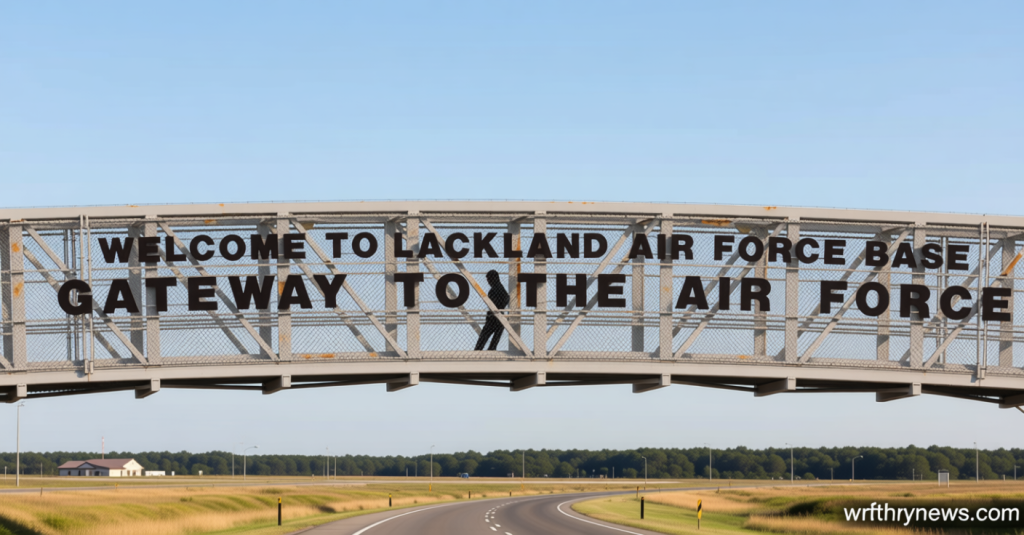
Texas Air Force Base Flu Outbreak Follows Vaccine Mandate Removal
Wertynews.com – Following the suspension of a mandatory flu vaccine requirement for Air Force personnel, Lackland Air Force Base in Texas has reported a growing outbreak of the virus. According to CBS News, the 37th Training Wing, which conducts basic military training for enlisted members and reserve components, has been actively managing cases among trainees over the past three weeks. The shift in policy, announced by Defense Secretary Pete Hegseth in April, has sparked concerns about the impact on health and operational readiness at the base.
Policy Change and Its Immediate Impact
The decision to drop the vaccine mandate was based on a Pentagon assessment that prioritized flexibility in personnel management. However, this change has led to a noticeable decline in vaccination rates. Internal reports indicate that only around 40% of trainees have opted for the flu shot since the requirement was lifted, compared to higher uptake in prior years. The 59th Medical Wing has been working closely with the 37th Training Wing to monitor the situation and implement preventive measures.
Health officials at Lackland Air Force Base have noted that the outbreak has affected multiple units, with symptoms ranging from mild to severe. While antiviral treatments such as Tamiflu are being used to address cases, the base has also introduced stricter hygiene protocols and increased testing frequency. These actions aim to curb the spread of the virus and minimize disruptions to training schedules.
Training Disruptions and Operational Concerns
The flu outbreak has created challenges for the Air Force’s training operations, which are critical for preparing new recruits. With over 40% of trainees unvaccinated, the base has seen a rise in absenteeism and delays in completion rates. Commanders have expressed worries about the potential strain on mission readiness, especially during peak training periods. This situation has prompted discussions about whether the policy change was premature or if additional safeguards are needed.
Brooke Army Medical Center, which serves as the primary healthcare facility for the base, has been overwhelmed with flu-related cases. The center has reported an increase in admissions, with some trainees requiring extended medical leave. While the Pentagon defends the decision as a strategic move to improve morale and reduce administrative burdens, critics argue that the lack of mandatory vaccination has left the population more vulnerable to outbreaks.
Keon McDaniel’s Tragic Case
One of the most alarming developments at Lackland Air Force Base is the death of Keon McDaniel, a trainee in his sixth week of basic training. McDaniel was transported to Brooke Army Medical Center on June 12 and passed away on June 16 due to complications from the flu. His case has drawn attention to the potential risks of the policy change, particularly for individuals with underlying health conditions.
Medical experts have emphasized that while the flu is generally manageable, it can lead to severe complications in certain populations. McDaniel’s death has become a focal point for debates about the balance between flexibility in policy and the importance of preventive health measures. The base has since launched an investigation into the circumstances surrounding his illness and its connection to the vaccination mandate suspension.
As the outbreak continues, the 37th Training Wing is under pressure to provide updates on the number of affected trainees and the effectiveness of current interventions. The Air Force unit in Texas is now serving as a case study for how policy adjustments can influence public health outcomes in military settings. This situation underscores the need for ongoing monitoring and adaptive strategies to ensure the safety of personnel.