
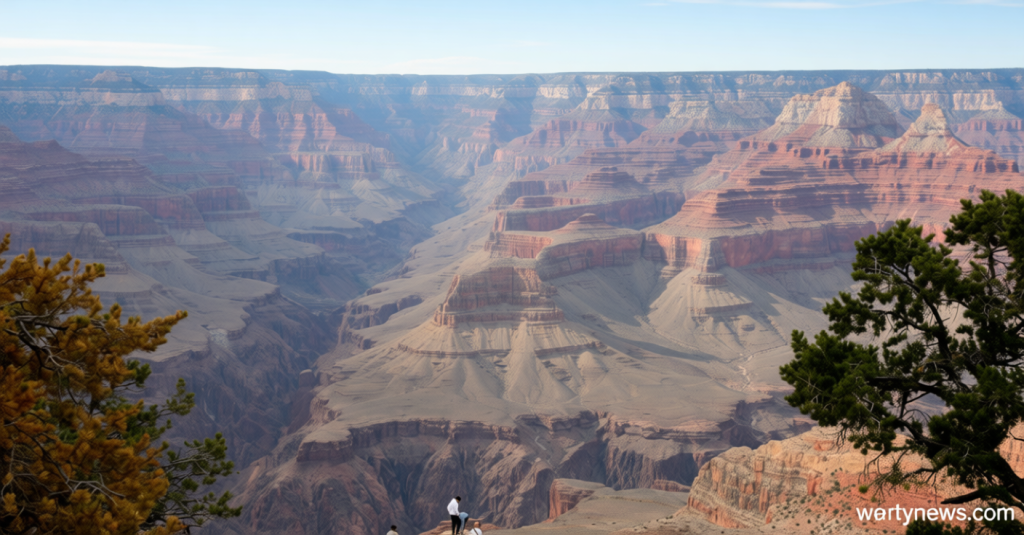
3 Elderly Hikers Die in Grand Canyon’s Inner Trails Amid 109°F Heatwave
Wertynews.com – Three elderly hikers lost their lives while trekking along the Grand Canyon’s Inner Trail system during a record-breaking heatwave that pushed temperatures to 109 degrees Fahrenheit. The National Park Service (NPS) confirmed the tragic incidents, which occurred over a span of just four days in early June, as being directly linked to extreme heat conditions. These fatalities underscore the dangers of hiking in the Inner Canyon, a popular but demanding route known for its steep descents and exposed terrain. The events have sparked renewed discussions about safety measures for hikers, especially during periods of intense heat.
Tragic Incidents on the Inner Trails
On June 12, a 72-year-old man was found unresponsive on the South Kaibab Trail, one of the most well-traveled paths within the Grand Canyon. Park rangers and emergency crews were quickly dispatched, but the hiker succumbed to heat-related complications before medical help could arrive. A day later, on June 16, two more hikers—an 84-year-old woman and a 70-year-old man—were discovered deceased on the North Kaibab Trail, which is approximately 12 miles long and often cited as one of the most physically challenging trails in the region. The bodies were transported to the Coconino County Medical Examiner’s office for further analysis.
“The Inner Canyon’s unique microclimate creates a heat trap that can rapidly elevate temperatures, even in shaded areas. This environment, combined with the physical demands of hiking, increases the risk of dehydration, heat exhaustion, and heat stroke,” said an NPS spokesperson. The statement highlights the critical importance of proper preparation, including hydration, wearing appropriate gear, and recognizing the signs of heat-related illness.
Heatwave Conditions and Hiker Challenges
The recent heatwave, which intensified by mid-June, saw temperatures in the Grand Canyon surpass 109°F during peak daylight hours, making it one of the hottest periods on record. The Inner Trail system, located deep within the canyon, is particularly vulnerable to these conditions due to its narrow paths and limited shade. Many hikers attempt these trails without adequate preparation, often underestimating the physical toll of the environment. The NPS has warned that the combination of high temperatures, steep inclines, and limited water sources can be fatal for those who are not acclimated to the climate.
Heat-related fatalities in the Grand Canyon are not uncommon, but the timing and severity of this particular event have raised concerns about the need for improved safety protocols. Officials are now reviewing the circumstances of each incident to determine if there were any preventable factors. For example, the 72-year-old man was hiking solo and had not taken regular water breaks, while the 84-year-old woman and 70-year-old man were traveling together but were not carrying sufficient supplies for a multi-day trek. These details emphasize the importance of planning and preparation when exploring the canyon’s interior trails.
Earlier this month, a separate incident involving a teenager added to the growing list of heat-related deaths in the area. The teen, who was attempting a round-trip hike from the South Rim to the Colorado River, collapsed in a remote section of the trail and was found 30 feet below the surface. Helicopter rescues have become a common response to such emergencies, as the canyon’s vast expanse makes it difficult for ground crews to reach hikers in distress quickly. This incident also highlights the broader risks faced by all hikers, regardless of age or experience, when navigating the Grand Canyon’s extreme conditions.
One year prior, an elderly man died after attempting to reach the Colorado River for an overnight stay at Phantom Ranch, a well-known campsite within the canyon. His condition worsened during the journey, and he was unable to seek help before succumbing to heat. These cases are part of a pattern that has led to calls for better education and resources for hikers. The NPS has since implemented additional warning signs along the Inner Trail system and increased staffing during periods of high heat. However, experts argue that more needs to be done to ensure that visitors understand the risks of hiking in such extreme environments.