
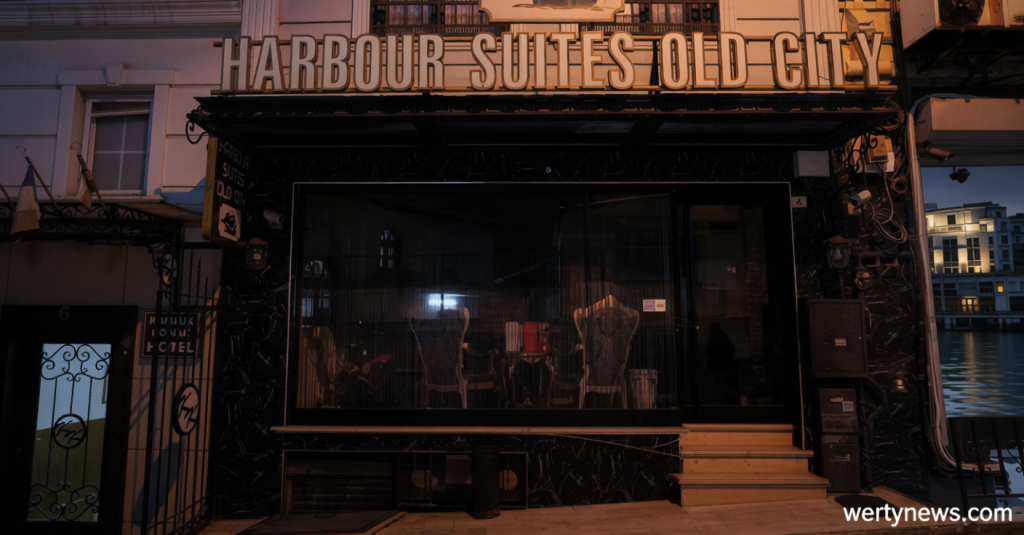
Four People Convicted Over Insecticide Deaths of German Tourist Family in Istanbul Hotel
Wertynews.com – A Turkish court has convicted four individuals for the insecticide-related deaths of a German tourist family during their stay at a budget hotel in Istanbul. The verdict, announced on Friday, found the hotel owner and three pest control workers responsible for exposing the family to toxic gas, which led to the tragic loss of four lives. The sentences handed down range from 12 to 18 years, with the hotel owner receiving the longest penalty of 13 years and four months. This case has drawn widespread attention to the dangers of improper pesticide use in hospitality settings, particularly in areas frequented by international visitors.
Tragic Timeline of the Incident
The Bocek family, consisting of parents Servet and Cigdem and their two children, Kadir Muhammet and Masal, arrived at the Harbour Suites Old City hotel in Istanbul’s Fatih district in November 2024. Within days, they began experiencing severe symptoms, including nausea, vomiting, and respiratory distress. Initially, authorities suspected food poisoning after the family consumed street food in the nearby Ortakoy district. However, as their condition worsened, medical investigations pointed to a different cause: exposure to a potent insecticide. On November 13, the family was taken to the hospital, where Kadir and Masal succumbed to their injuries. Their parents followed, with Cigdem passing away on November 14 and Servet on November 17.
“The family’s illnesses were not immediately linked to the hotel until more thorough inspections revealed the presence of phosphine gas in their room,” stated a Turkish health official in a statement shared on social media. “This case highlights how negligence in pest control can turn into a fatal mistake.”
Investigation Into Hotel Practices
Following the deaths, investigators launched a comprehensive review of the hotel’s operations. They discovered that phosphine gas, commonly used to eliminate bedbugs, had been improperly applied in a ground-floor room. The gas seeped through a bathroom ventilation system into the family’s first-floor room, where they had been staying for several days. This breach in safety protocols, combined with inadequate ventilation and lack of warning signs, created a deadly environment for the guests. The hotel’s management was criticized for failing to address the bedbug infestation promptly, despite reports from staff and guests.
“The use of phosphine in enclosed spaces without proper safety measures is a serious oversight,” said an environmental safety expert. “This case could serve as a warning for other hotels to adopt stricter guidelines for pesticide application.”
Legal Proceedings and Sentencing
The court’s ruling came after a detailed examination of the incident, including testimonies from hotel staff, medical professionals, and pest control experts. Hakan Oglak, the hotel owner, was found guilty of gross negligence, leading to his 13-year sentence. Zeki Kisi and his son Serkan Kisi, representing the pest control company DSS, were sentenced to 18 years each for their role in the lethal exposure. Employee Dogan Cagferoglu received a 12-year term for his part in the operation. All defendants have expressed plans to appeal their convictions, arguing that the insecticide application was standard practice and that the family’s deaths were unforeseen.
Impact on Istanbul’s Tourism Sector
The case has sent shockwaves through Istanbul’s tourism industry, raising concerns about the safety of budget hotels. The Harbour Suites, a popular establishment near iconic landmarks like the Blue Mosque and Hagia Sophia, was forced to close temporarily after the incident. Critics argue that the lack of transparency and safety measures in such facilities could deter future tourists, especially families with children. Industry representatives have called for mandatory inspections and updated protocols to prevent similar tragedies. The incident also coincides with a string of safety-related events in Turkey, including a deadly fire at a ski resort hotel in January 2025 that claimed 78 lives.
Phosphine Gas: A Silent Killer
Phosphine gas, a colorless and odorless substance, is highly toxic and can cause rapid respiratory failure, organ damage, and even death when inhaled in large quantities. Its use in hotels to combat bedbug infestations is common, but the improper application here led to a catastrophic outcome. Investigators found traces of the gas on towels, masks, and swab samples from the hotel, confirming its presence in the family’s room. The gas had been released into the air without adequate ventilation or safety precautions, trapping the family in a lethal environment. This case underscores the critical importance of understanding the risks associated with insecticide use in confined spaces.
“Phosphine is widely used in agriculture and pest control, but its application in residential settings requires strict safety standards,” explained a toxicology specialist. “This tragedy serves as a stark reminder of what can happen when those standards are overlooked.”
Public Reaction and Safety Reforms
Reactions from the public have been mixed, with many expressing outrage over the preventable deaths and others emphasizing the need for systemic improvements in hotel safety. Social media platforms have been flooded with condolences and calls for accountability, with some users questioning whether similar incidents had occurred before. In response, the Turkish government announced plans to review safety regulations for pest control practices in hotels. The case has also prompted discussions about the role of hospitality workers in ensuring guest safety and the importance of training in handling hazardous substances. As the family’s story continues to resonate, it is hoped that this conviction will lead to lasting changes in the industry’s approach to insecticide use.