
Ukraine Launches Massive Drone Attack on Russia and Crimea
Wertynews.com – Ukraine launches huge drone attack on Russia, marking a pivotal moment in the ongoing conflict as it targets both Russian territory and the occupied region of Crimea. This coordinated strike represents one of the most significant aerial assaults since the war began, with reports indicating a substantial increase in the number of drones deployed compared to previous operations. According to Russian state media, over 660 drones were intercepted during the attack, surpassing the 556 drones used in a major strike earlier this year. The operation underscores Ukraine’s evolving military strategy, leveraging drone technology to disrupt Russian infrastructure and apply pressure on key areas.
Targeting Critical Infrastructure in Crimea
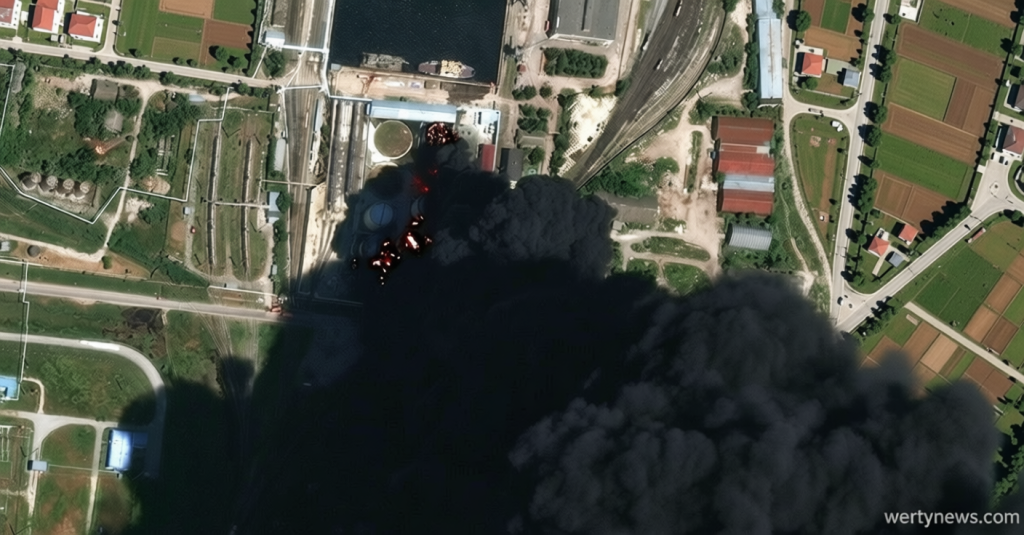
Ukrainian forces focused their efforts on the Kerch region, a strategic location in Crimea that has been under Russian control since 2014. The attack reportedly damaged two military ships and several air defense installations, aiming to weaken Russia’s logistical and defensive capabilities in the area. Additionally, drones struck the Azot chemical plant in Tula, Russia, a vital facility for producing ammonia and nitrogen fertilizers. This second attack on the plant in two weeks highlights Ukraine’s commitment to targeting industrial and energy infrastructure, which has become a cornerstone of its war effort. The strikes are believed to have caused prolonged disruptions, hindering Russia’s ability to maintain operations in the region.
Strategic Intent and Political Messaging
“We are aiming to turn Crimea into an island, cutting it off from the rest of Russia,” said Ukraine’s Defense Minister Mikhailo Fedorov, emphasizing the attack’s broader geopolitical goals. The phrase underscores Ukraine’s desire to isolate Crimea, a move that could weaken Russia’s hold on the peninsula and signal a shift in the conflict’s dynamics. Meanwhile, President Volodymyr Zelenskyy’s public call for a 40-day campaign to compel Russia to end the war has amplified the strategic narrative, framing the drone attack as a critical step toward achieving peace.
Analysts suggest that the repeated use of drones to target energy and industrial sites is designed to create long-term disruptions, forcing Russia to divert resources from other fronts. The Ukrainian defense ministry has claimed that over 1,400 Russian air defense systems have been destroyed since the full-scale invasion in 2022, a testament to the effectiveness of this approach. By depleting Russia’s defensive capacity, Ukraine aims to gain a tactical advantage while also demonstrating its technological and strategic capabilities to the international community.
The attack has prompted a swift response from Russian authorities, with Crimea declaring a state of emergency following the cessation of civilian fuel sales. This measure reflects the urgency of the situation and the potential for further escalation. In Kyiv, residents reported witnessing air defense systems in action as they intercepted Russian missile strikes, a reminder of the constant threat posed by the war. The drones’ precision and range have allowed Ukraine to strike targets deep within Russia, challenging traditional notions of front-line warfare and showcasing the growing importance of unmanned aerial vehicles in modern conflicts.
With drone production surging this year, Ukraine has launched over 3,000 drones into Russia by mid-May, according to the Come Back Alive Foundation. This massive scale of operations not only increases the likelihood of hitting critical infrastructure but also serves as a psychological tool, demonstrating Ukraine’s resilience and determination. The latest assault, part of a broader campaign to force Russia into negotiations, is expected to influence global perceptions of the war, potentially shifting diplomatic momentum in Ukraine’s favor. As the conflict continues to evolve, the role of drones in shaping the outcome remains a focal point for both sides.