
South Carolina Store Owner Acquitted in Teen’s Death Case
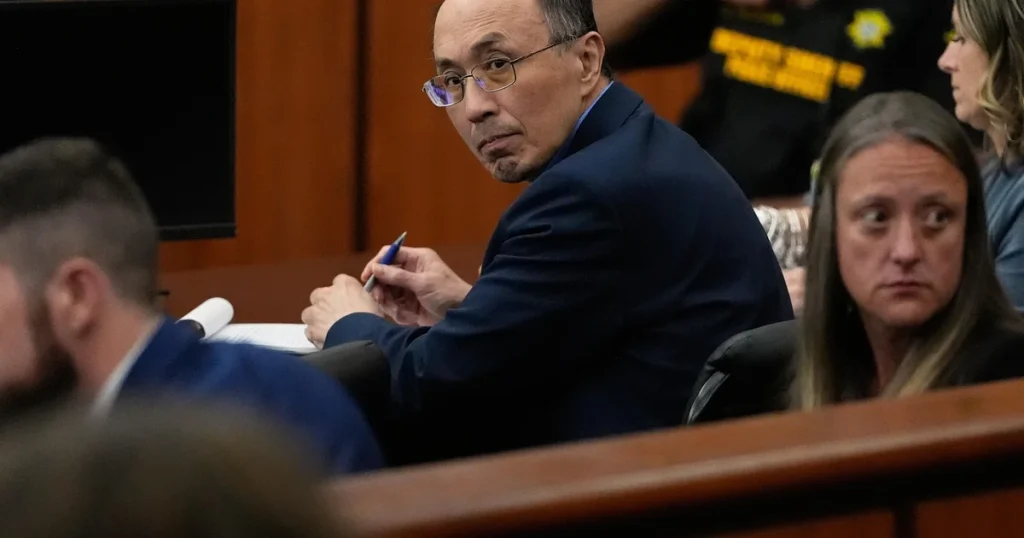
Wertynews.com – In a significant legal decision, a Columbia, South Carolina store owner was found not guilty in the 2023 fatal shooting of a Black 14-year-old. Chikei Rick Chow, a 61-year-old Asian businessman, faced murder charges after allegedly chasing Cyrus Carmack-Belton from his convenience store and shooting him in the back. The verdict, delivered on Monday, sparked widespread discussion about racial bias, self-defense, and the circumstances surrounding the incident. Chow claimed he acted to protect his son, Andy Chow, during the confrontation.
Details of the Shooting
The incident began when Cyrus entered Chow’s store and took four bottles of water without payment. Prosecutors argued that Chow pursued the teen through the parking lot, believing he had committed theft. Cyrus was shot in the right lower back, dying from the wound. Coroner Nadia Rutherford confirmed the death was consistent with a person fleeing the scene, noting no signs of a struggle inside the store. This detail became a focal point in the trial, with the prosecution emphasizing Chow’s belief in the teen’s guilt.
Chow’s defense, however, presented a different version. He testified that Cyrus had pointed a gun at his son before the shooting, prompting him to fire in self-defense. This account was central to the defense’s strategy, which framed the incident as a split-second decision to protect family. The teen’s family, who were seated in the courtroom, reacted with deep emotion, highlighting the personal stakes of the case.
Trials and Testimonies
During the trial, both sides offered conflicting narratives. The prosecution highlighted Chow’s anger over the alleged theft, suggesting he acted without immediate threat. In closing arguments, Solicitor Byron E. Gipson placed a water bottle on the jury table, symbolizing Chow’s claim that he “believed a human was no more than that” when he fired. The defense, led by Shaun Kent, stressed that Chow’s actions were driven by fear for his son’s safety.
“This case is not about a shoplifter. It’s about a father who saw a gun pointed at his son and had to choose between safety and harm,” Kent said to jurors. The defense relied on Andy Chow’s testimony, which detailed the teen’s alleged threat during the confrontation. Gipson, meanwhile, pointed out that no witnesses confirmed Cyrus had a weapon, raising questions about the reliability of Chow’s account.
Community and Racial Dynamics
The verdict resonated strongly within Richland County’s African American community, where nearly half the population is Black. Many viewed the acquittal as a reflection of broader racial disparities in how crimes are perceived and judged. Protests and vigils were held outside Chow’s store, with participants displaying empty water bottles to spell Cyrus’s name, symbolizing their grief and demand for justice.
Chow’s history of violent encounters at his Xpress Mart Shell station added context to the case. Officials noted that prior to the 2023 incident, he had shot a shoplifter and fired on a vehicle, both classified as self-defense. These events, combined with the current case, raised questions about Chow’s pattern of behavior and the role of race in shaping public perception of his actions.
Legal and Emotional Impact
The acquittal of Chikei Rick Chow marked a pivotal moment in the legal proceedings, with the teen’s family expressing mixed emotions. While they acknowledged Chow’s intent to protect his son, they felt the verdict failed to address Cyrus’s wrongful death. Community leaders, however, saw the decision as a validation of Chow’s defense, though some criticized it as a missed chance to confront systemic prejudices.
As the trial concluded, the case became a symbol of the ongoing debate about race, self-defense, and justice in South Carolina. The acquittal of the store owner underscores the complexity of the legal system in interpreting moments of perceived threat, particularly in racially charged situations. The community continues to reflect on the incident, with discussions about how to ensure fairness in similar cases moving forward.