
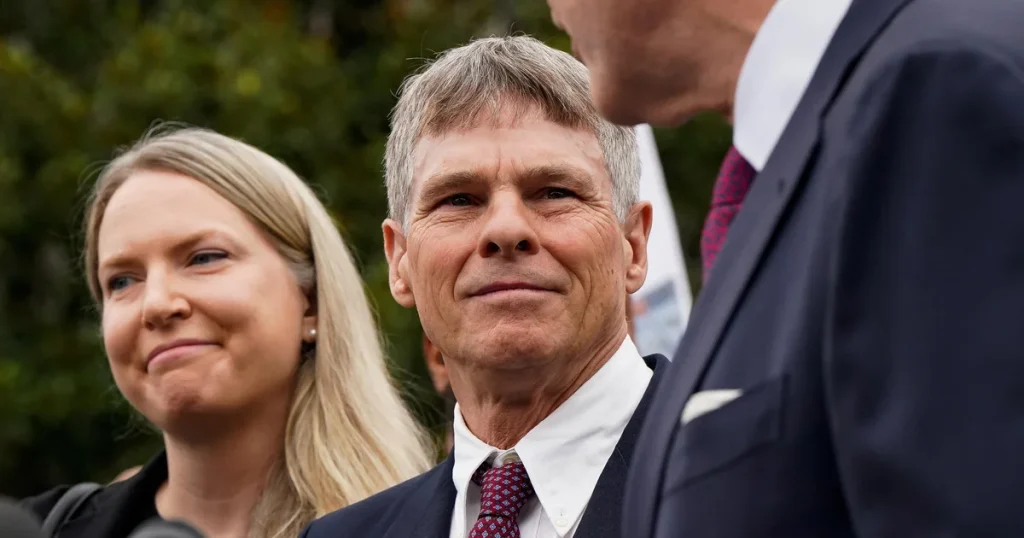
Olympian David Hearn Pleads Not Guilty in Reflecting Pool Damage Case
Wertynews.com – During a recent court appearance, Olympian David Hearn, a 67-year-old U.S. Olympic canoeist, entered a not guilty plea to charges of damaging the Reflecting Pool beneath the Washington Monument. The incident, which occurred on June 19, involved Hearn reaching into the pool during a 64-mile bike ride and removing sealant from its base. The indictment, filed on July 2, now faces scrutiny as Hearn’s legal team argues the charges are politically motivated and lack sufficient evidence.
Details of the Incident and Legal Proceedings
The Reflecting Pool, a historic site in Washington, D.C., is known for its role in presidential inaugurations and its symbolic significance. Hearn’s arrest came after he allegedly reached into the pool while cycling, though he claims the action was accidental. According to his defense, the act was a brief pause to examine the pool’s surface, with no intent to cause harm. His attorneys, Mary Dohrmann of Washington Litigation Group and Norm Eisen of Democracy Defenders Fund, have sought to minimize the severity of the charges, emphasizing that the incident does not warrant a 10-year prison sentence if convicted.
The legal proceedings have highlighted the tension between the prosecution’s request for a “stay away, no contact order” and the defense’s argument for leniency. Dohrmann opposed the measure, stating that Hearn, as an “upstanding citizen,” does not require supervision. The judge agreed, releasing Hearn on his own recognizance. This decision underscores the defense’s belief that the charges are not just about the physical act of damage but also about political overreach.
Political Context and Public Reaction
Hearn’s case has sparked a broader conversation about the connection between the charges and political narratives. His legal team has framed the incident as a symbolic attack on the justice system, suggesting the prosecution is using the case to shift blame for their own failures. “This case reflects the administration’s effort to shift blame for their own failures,” the attorneys noted in a statement following his indictment.
Public opinion has been divided, with some supporting the prosecution’s stance on accountability and others criticizing the charges as excessive. Social media platforms have seen heated debates, with users questioning whether the case is a political tool or a genuine legal matter. The defense has also pointed to Hearn’s character, highlighting his achievements as an Olympian and his reputation as a community leader. This narrative aims to humanize him and challenge the perception of guilt.
Legal Arguments and Implications
As the trial date approaches, Hearn’s attorneys are preparing to present evidence that the sealant removal was unintentional. They argue that the act of reaching into the pool was a minor incident, not an act of vandalism or intent to damage. The defense also contends that the charges have been exaggerated, linking the case to a larger pattern of politically driven prosecutions. “We have confidence in our justice system to see through this misuse of government power,” the legal team added, emphasizing the need for fairness in the proceedings.
The case has drawn attention to the potential consequences of the charges. If Hearn is found guilty, he could face a maximum 10-year sentence, though the defense anticipates a lighter punishment. Legal experts are monitoring the case closely, noting that the charges could set a precedent for how minor infractions are treated under current laws. This raises questions about the balance between accountability and overreach in legal enforcement.
Hearn’s plea of not guilty has also become a rallying point for his supporters, who see it as a stand against what they describe as a politicized legal process. The incident has become a symbol of the broader debate about the role of government in holding individuals accountable for actions that may be perceived as symbolic rather than harmful. As the trial progresses, the focus will remain on the facts of the case and the motivations behind the charges.