
Mass Transit Tested in U.S. World Cup Host Cities: Costs Revealed
Wertynews.com – Mass transit will be put to the test in U.S. World Cup host cities, with significant costs expected for seamless fan mobility. As the 2026 FIFA World Cup approaches, 11 American cities are preparing to handle massive crowds, requiring substantial investments in transportation infrastructure. While some cities face hefty expenses, others have implemented cost-effective strategies to manage the surge in demand. This article explores the financial implications of mass transit during the tournament, highlighting both challenges and innovations across the host regions.
High Costs in Major Host Cities
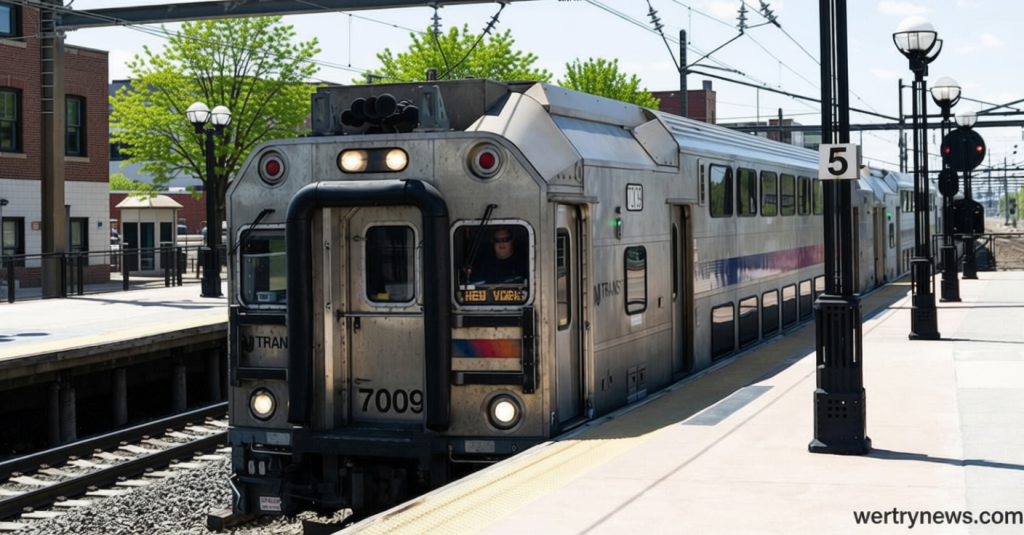
Major host cities like New Jersey, where MetLife Stadium will host eight matches, are grappling with the financial burden of upgrading their transit systems. The state’s transit agency has introduced special services for World Cup events, with round-trip tickets priced at $98 per person. This figure, while lower than the initial $150, still represents a notable increase compared to regular fares. New Jersey Transit CEO Kris Kolori emphasized the unique nature of these services, stating, “This FIFA train is not a regular service. We have to start it every time there’s a special event, and this one is more special and more secure than anything else we’ve done.” The special service, costing $6 million per match, underscores the need for tailored solutions to accommodate the influx of spectators.
The World Cup’s impact on public transportation extends beyond ticket prices. Cities must invest in additional buses, trains, and staff to ensure smooth movement of fans. For example, Los Angeles and the San Francisco Bay Area, which will host matches, are set to receive $18.4 million in combined transit support. However, the event’s timeline—running from June 11 to July 19—requires sustained efforts, as infrastructure upgrades and operational adjustments must align with the tournament’s schedule.
Cost-Effective Alternatives and Local Solutions
Not all host cities are burdened by high costs. In Atlanta, Houston, and Seattle, stadiums are strategically located near rail networks, allowing fans to access venues at regular fares under $5. This integration reduces the strain on local transit systems while offering affordable travel options. Philadelphia has taken a bold step by providing free public transit for all World Cup attendees, a move made possible through a sponsorship agreement. In contrast, Kansas City’s approach involves shuttle buses to Arrowhead Stadium, with a $15 one-way fare. These varied strategies demonstrate how cities can balance cost and accessibility.
Dallas aims to showcase its regional rail system by deploying charter buses to transport spectators from stations to AT&T Stadium in Arlington. The $4 round-trip shuttle cost is a fraction of the prices in other cities, reflecting a commitment to leveraging existing infrastructure. Similarly, Miami has announced free shuttle buses at five locations for verified ticket holders, ensuring direct access to stadiums without the need for long-distance travel. These initiatives highlight the diversity of approaches taken by host cities to manage mass transit efficiently.
Public Reaction and Long-Term Implications
Public reaction to these transit costs has been mixed. While some fans appreciate the enhanced services, others have raised concerns about affordability. New Jersey’s governor has reiterated that attendees, not taxpayers, should bear the financial load, a stance that aligns with the goal of keeping local residents from shouldering excessive expenses. However, with ticket prices for the World Cup averaging around $1,000, the cost of mass transit remains a secondary concern for many spectators.
The World Cup’s influence on public transportation is expected to extend beyond the event itself. Cities that invest in temporary solutions may see long-term benefits, such as improved infrastructure and increased ridership. For instance, the enhanced rail connectivity in Atlanta and Houston could lead to sustained economic growth and reduced traffic congestion. Conversely, cities that rely on expensive special services may face scrutiny, especially if they struggle to balance costs with convenience. The success of these transit systems will ultimately depend on their ability to handle both the immediate demands of the tournament and the broader needs of the community.
Comparative Strategies and Global Impact
Comparative strategies across host cities reveal a range of approaches to managing mass transit during the World Cup. While some cities prioritize direct rail access, others focus on shuttle services and free passes. This diversity not only reflects regional differences in infrastructure but also underscores the importance of tailoring solutions to local needs. For example, the free shuttle buses in Miami and Philadelphia demonstrate how partnerships and subsidies can alleviate financial pressures on fans.
As the U.S. prepares for the World Cup, its mass transit systems will serve as a critical test of infrastructure readiness. The event’s global audience will observe how these cities handle large-scale transportation challenges, potentially influencing future international sporting events. By investing in both temporary and permanent upgrades, host cities aim to set a precedent for efficient, sustainable mobility during high-profile gatherings. The combined effort of public and private sectors will determine whether the U.S. can deliver a seamless experience for fans while maintaining fiscal responsibility.