
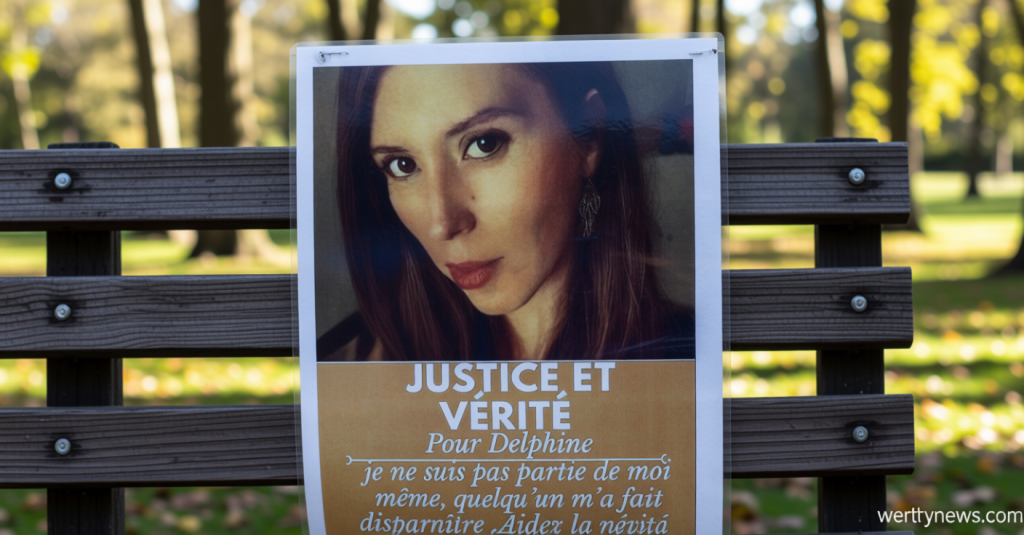
Man Confesses from Jail in Shocking France Killing Case
Wertynews.com – A man in custody has finally confessed to killing his wife, a revelation that has rekindled public interest in a case that gripped France for over five years. Cedric Jubillar, 38, admitted to the murder of his spouse, Delphine Jubillar, 33, during a recent press conference, according to his legal team. The couple’s disappearance in December 2020, which left Delphine’s body missing, became a national mystery. Now, as Jubillar prepares to disclose the body’s location, the case has taken a dramatic turn, offering new hope for closure.
The Mystery and Legal Battle
Jubillar’s confession marks a pivotal moment in the legal proceedings that have spanned nearly five years. He was originally convicted in October 2023 of murder, despite his defense team’s claims that the prosecution lacked concrete evidence. The trial, which drew significant media attention, relied heavily on circumstantial clues, including Delphine’s alleged affair with a man she met online. This personal conflict, which culminated in a violent confrontation, was central to the jury’s decision, with six lay jurors and three judges voting to uphold the conviction.
“The confession brings clarity to a case that has haunted our family and the nation,” said Malika Chmani, the lawyer representing their two young children. “We now have a chance to uncover the truth and give Delphine the justice she deserved.”
From Denial to Admission
Jubillar’s shift from innocence to guilt came just two months before his appeal was set to begin. In a written statement, he outlined the events leading to his wife’s death, though he remained vague about the exact circumstances. His legal team confirmed that he is ready to cooperate fully, including revealing the body’s whereabouts. This development comes after he concealed the remains on the night of December 15–16, 2020, a period that became a focal point of the investigation.
The lack of a body or direct evidence had been a key point of contention during his initial trial. Jubillar’s defense argued that without physical proof, the case rested on assumptions. However, the jury’s decision to convict him highlighted the power of circumstantial evidence in shaping public perception and legal outcomes. As the case moves forward, the focus will now center on locating Delphine’s remains and validating the confession.
The Emotional Toll and Public Outcry
The couple’s disappearance in 2020 sent shockwaves through France, with the media and public demanding answers. For nearly five years, Delphine’s absence remained a symbol of unresolved grief and unanswered questions. Her family endured the emotional strain of uncertainty, while her children were left without a mother to guide them. The recent confession has reignited hope, though it also raises new concerns about the trial’s fairness and the role of media in shaping the narrative.
Jubillar’s legal team emphasized that his admission is not just a legal step but an emotional one. “He’s taking responsibility for his actions, which is a relief for the children and the family,” said Pierre Debuisson, Jubillar’s attorney. The team now plans to work closely with investigators to uncover more details, potentially leading to additional charges or a retrial. The public’s anticipation has grown, with many eager to see how this confession will reshape the story.
Implications for the Justice System
Jubillar’s confession could have far-reaching implications for the French justice system, especially in cases where circumstantial evidence plays a critical role. His case has sparked debates about the reliability of such evidence and the importance of thorough investigations. The jury’s reliance on assumptions during the trial has been scrutinized, with some critics arguing that the conviction was based more on media influence than solid proof.
As the legal process continues, the location of Delphine’s body will be key to confirming the confession’s validity. The search for the remains may uncover new evidence, such as forensic details or witness testimonies, that could either support or challenge Jubillar’s account. This development also underscores the power of persistence in solving long-standing mysteries, as the case remains a testament to the human desire for truth and closure.
Legacy of the Case
The case has left an indelible mark on French society, symbolizing the complexities of personal relationships and the far-reaching consequences of violent acts. Delphine’s disappearance became a rallying point for discussions about mental health, marital strife, and the role of digital connections in modern relationships. Her husband’s confession, while providing some answers, also serves as a reminder of the enduring impact of loss and the public’s fascination with high-profile crimes.